MOVING TIPS & ADVICE
How Do You Handle Frequent Moves on Short-Term Rentals?
Key answers
Frequent short-term moves are easier when you reduce non-essential items first, pack by category with clear labels, and separate seasonal or rarely used belongings into storage. A simple timeline and a first-night essentials bag can cut stress at each handover.
Understand the move cycle first
The main challenge in short-term renting is not one move, but several moves in a short span. Each handover means unpacking, repacking, and finding places for odds and ends, so without a fixed routine the process quickly gets messy. Write down lease dates, move-out time, renovation completion time, and work commitments on one timeline, and leave at least one to two days for sorting.
When you only pack in a rush each time, the same items get moved over and over again and you end up spending more time and transport effort. Instead of trying to move everything at once, decide what you use regularly, what is seasonal, and what can be given away or stored. That is much more realistic for short-term living.
Reduce items before you pack
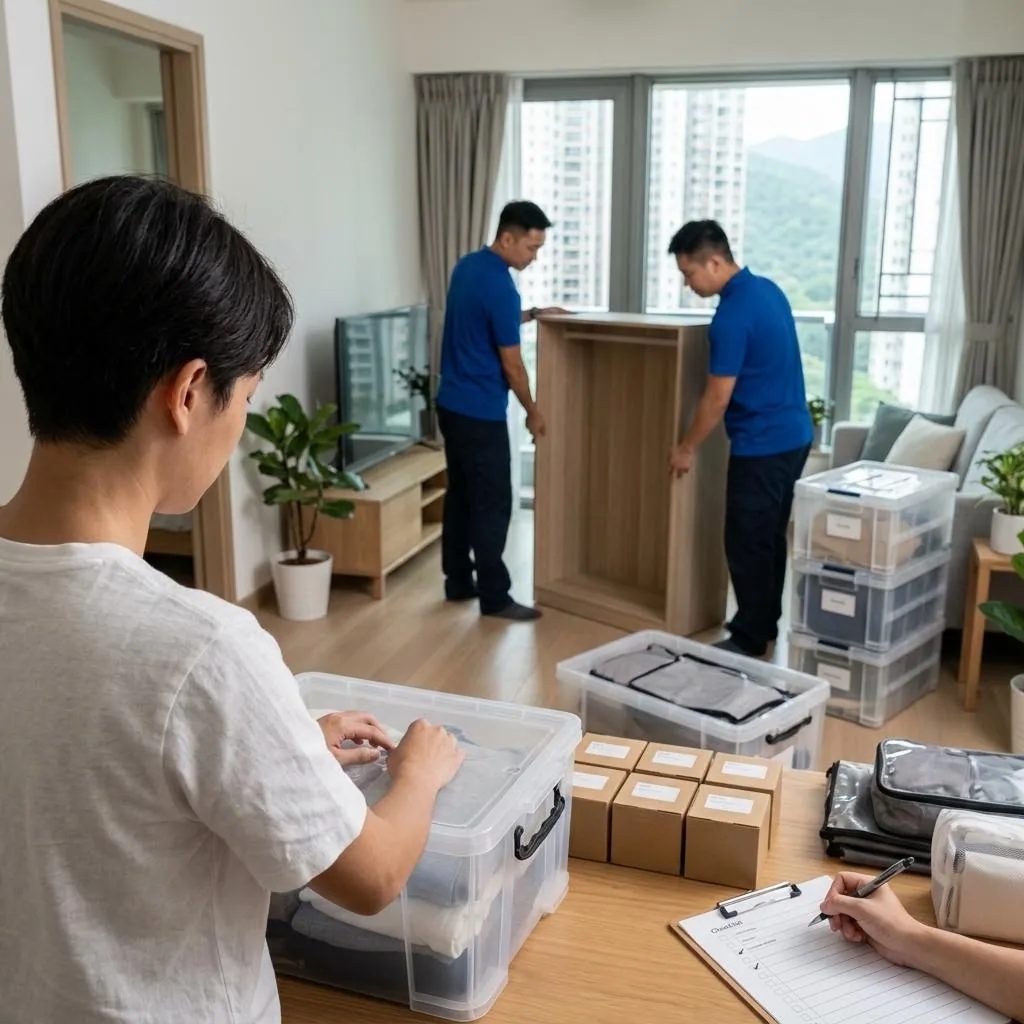
For short-term moves, the first step is not getting boxes, but cutting down volume. Review clothing, kitchenware, books, small appliances, and decor separately. Duplicate, damaged, or unused items from the past six months can often be donated, sold, or discarded first, so you do not keep paying to move them. For items you are unsure about, place them in a pending box and make sure you revisit it before the next move.
New rental units are often compact, so when you buy furniture, choose foldable, stackable, and easy-to-carry pieces first. Avoid bulky items that are hard to dismantle or relocate. If you have large appliances, heavy bookcases, or collections you rarely use, plan ahead instead of forcing them into a short-term home. They only add weight, wear, and cleaning trouble.
Use labels and categories to save unpacking time
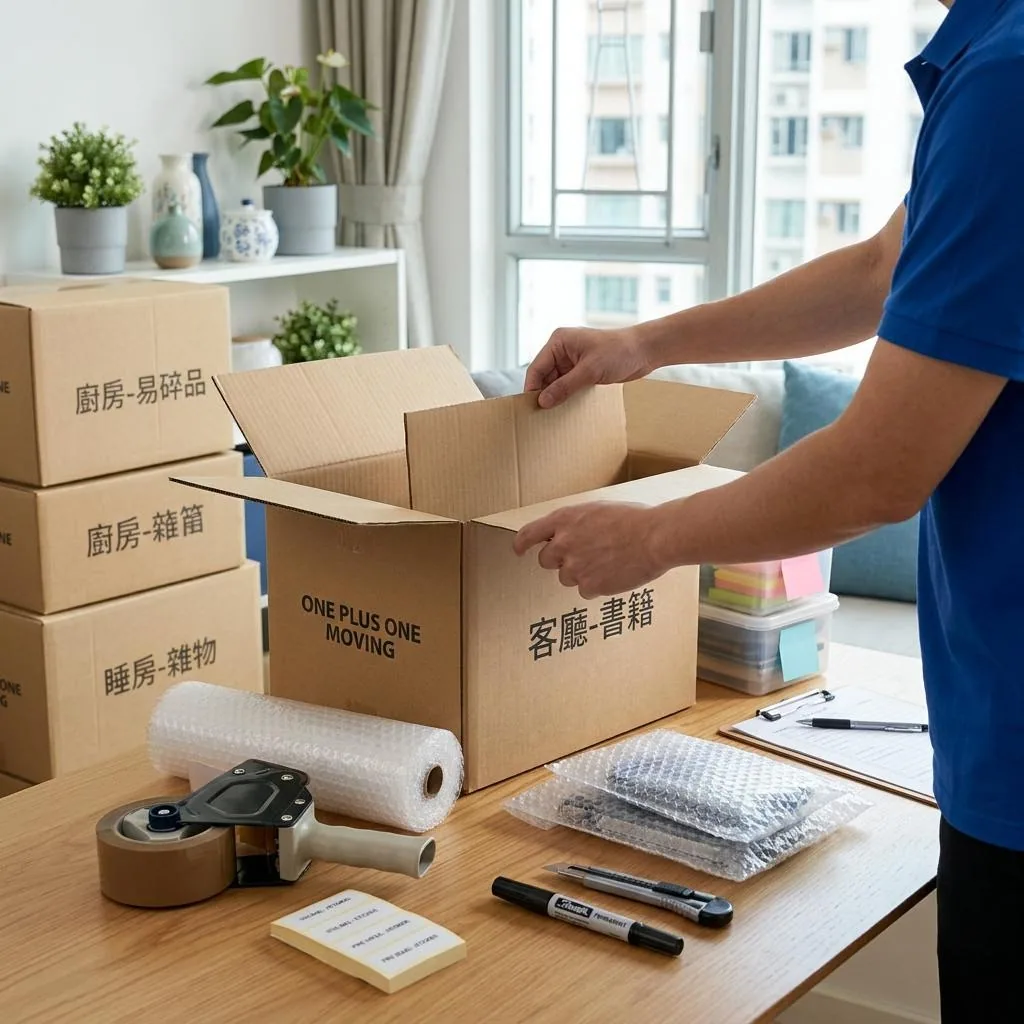
Pack by room or purpose, such as kitchen, bedroom, work area, and cleaning supplies. Then write the box contents, destination room, and unpacking priority on the outside. Colour labels are also useful: red for same-day essentials, blue for items needed within a week, and green for boxes that can stay closed for now. That way, you do not need to open every box on arrival.
Keep similar items together inside each box, place heavy items at the bottom, and wrap fragile items separately. Do not mix documents, keys, chargers, and daily medication into large boxes. It helps to prepare one first-night essentials bag with ID, charging cables, basic toiletries, a change of clothes, and a water bottle so you can settle the basics immediately after arrival.
Check both move-out and move-in properly
Frequent moves are often rushed, and that is when people forget items, leave rubbish behind, or run into disputes at handover. Before moving out, check cupboards, under the bed, behind bathroom fittings, near the air conditioner, and on window ledges to make sure nothing is left behind. Take photos of the unit condition, wall marks, and furniture condition so you have a record when returning the property.
After moving in, do not rush to open every box at once. First check the door lock, windows, visible condition of outlets, kitchen, and bathroom for obvious damage or leaks. If anything involves electrical work, gas, structural issues, or similar specialist matters, it should be handled by qualified professionals rather than attempted yourself. If the handover paperwork or item list does not match the unit, report it in writing to the landlord or building management as soon as possible.
Use storage to split off low-frequency items
For seasonal clothing, seldom-used files, sports gear, souvenirs, or large suitcases, you do not need to move them every time. If you often switch between short-term rentals and longer stays in Hong Kong, consider putting temporary items into storage and keeping only seasonal and daily essentials at hand. That will make each move much lighter.
Before you store anything, list which items must stay with you and which can be retrieved later, and separate anything that is sensitive to moisture, pressure, or special packing. When choosing storage or transport arrangements, the key is not the lowest price, but confirming access times, entry limits, packing requirements, and exit arrangements in writing.
Ask the mover the right questions before booking
If your moves are frequent and your schedule is tight, moving help can reduce physical strain, but you should first ask what is included: whether they only carry items, whether basic dismantling is available, whether you need to pack everything yourself, and how stairs or access routes are handled. Different buildings create different limits, especially walk-up buildings, village houses, and small lifts.
Before you confirm the booking, ask for written confirmation of the time, item list, floor conditions, extra requirements, and special notes, then compare that with your actual boxes and large items. If you have glass items, pianos, safes, oversized furniture, or other sensitive items, arrange them separately rather than assuming a standard move is enough. Anything high-risk or requiring specialist skills should be handled by the appropriate professional.
Frequently Asked Questions
What should I do first for a short-term rental move?
Start by lining up the lease dates and move dates, then sort items into must-move, temporary storage, and items to discard or give away. That keeps you from carrying unnecessary things every time.
How should I choose furniture for a small short-term flat?
Choose foldable, stackable, and easy-to-move pieces first, and avoid too many large items. For short stays, focus on basic sleeping, storage, and work needs.
How can I avoid spending ages looking for things after moving?
Pack by room or purpose, label each box with its contents and unpacking priority, and keep a separate first-night essentials bag. That lets you deal with the most important items first.
Which items are better kept in storage?
Seasonal clothing, seldom-used files, collections, large suitcases, and other low-frequency items are often better stored. If something is sensitive to moisture or pressure, check the packing and storage requirements first.
What should I ask a moving company before hiring them?
Ask about the service scope, whether packing is required, stairs or no-lift arrangements, how extra charges are calculated, and whether the details can be confirmed in writing. Special items should be confirmed separately.