MOVING TIPS & ADVICE
Why Do Hong Kong Families Boil Water and Keep the Lights On on Moving-In Day?
Key answers
In Hong Kong, boiling water and leaving a main light on are common moving-in customs. They also help you check basic utilities, layout, and night-time safety.
Why Moving-In Customs Matter
For many Hong Kong households, doing a few simple rituals after moving in is not only about tradition. It also helps create a clear start to a new chapter in life. Moving brings a lot of tasks and stress, so settling your mind first often makes the rest of the day easier to handle.
Boiling water, turning on the lights, and placing essential items first can all help you get used to the new home more quickly. Think of these customs as a transition routine: they respect family expectations while also helping you feel grounded on the first night in a new place.
Why People Boil Water on the First Day
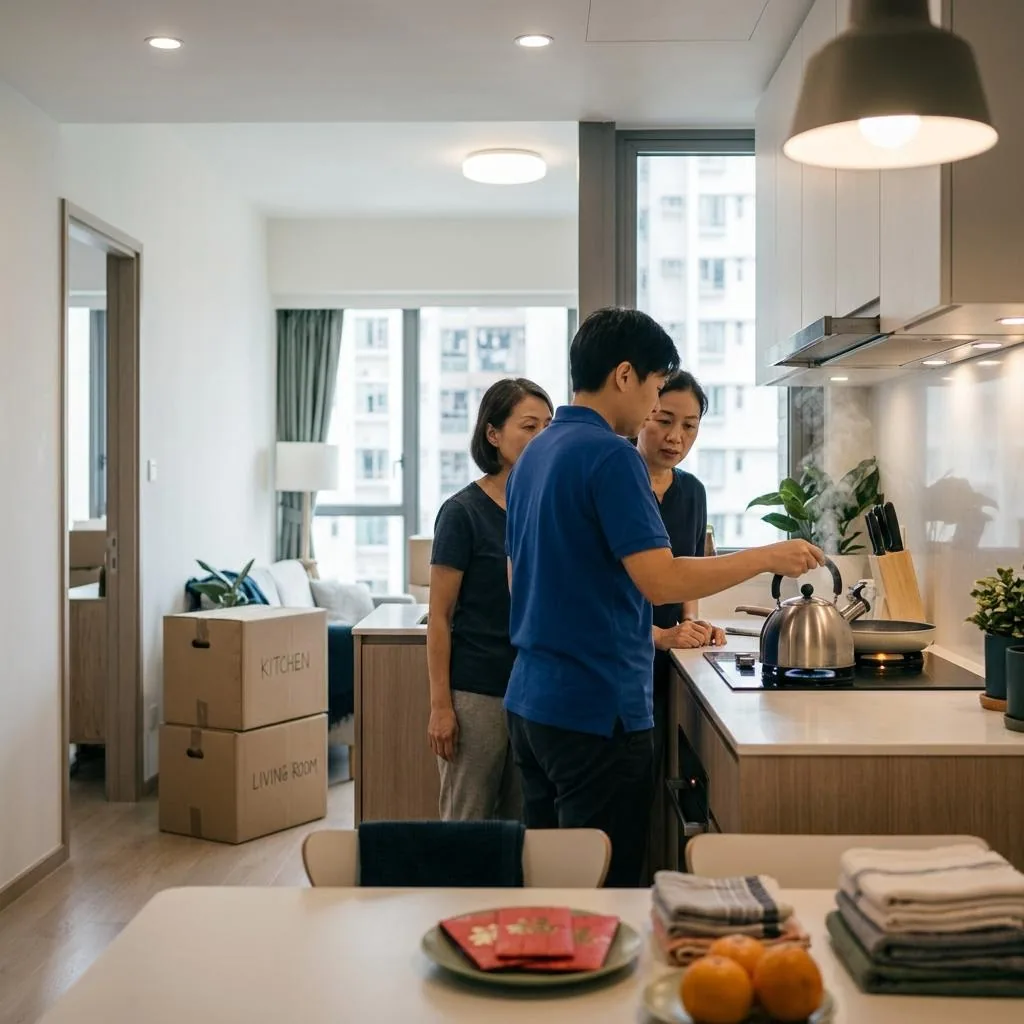
Boiling water is one of the most familiar moving-in actions. Traditionally, water symbolises flow, vitality, and steady fortune, so bringing water to a boil suggests that life in the new home has begun smoothly. Some families also keep the kettle visible in the kitchen as a sign of everyday warmth and activity.
On a practical level, it also gives you a chance to check the kitchen basics: whether the tap water runs normally, whether the hot-water setup has any unusual smell, and whether the cooker works properly. If there is any issue with gas, wiring, or the water-heating system, do not attempt risky DIY repairs; contact a qualified professional and confirm the situation with the building management or owner if needed.
Why Keep the Lights On Overnight
Leaving the main living-room light on on the first night is another common custom. Traditionally, it represents brightness, continuity, and a hopeful start in the new home. In practical terms, it gives everyone stable lighting in an unfamiliar space and makes night-time movement feel less stressful.
If you cannot keep the lights on all night, there is usually no need to worry. It is enough to keep the main areas well lit for the evening and switch off before sleep. What matters most is not strict formality, but avoiding a dark and cluttered environment when everyone is already tired after moving.
What to Prepare Before Moving In
Before moving in, it is best to clean the home thoroughly and sort boxes by room. Mark the boxes that contain first-night essentials, such as bedding, toiletries, chargers, and basic kitchen items. A common approach is to set up the sleeping area and bathroom supplies first, then deal with clothes, storage boxes, and decorations later.
You should also check the electrical panel, water valves, windows, locks, and floor conditions for looseness, leakage, damage, or blocked access routes. During the move, measure staircases, lifts, door frames, and corners in advance so large furniture does not get stuck. If needed, confirm the building's moving time slots and restrictions with the management office before the day arrives.
Common Mistakes and What to Ask the Mover
A frequent mistake is mixing up the ritual side of moving with the actual logistics. People may focus on the customs but forget box labels, furniture sizes, or the delivery sequence, which creates confusion after arrival. Another common problem is ignoring access limits in older buildings, tong lau, or village houses, which can make the move slower and more physically demanding.
You should ask the mover whether staffing will match the building conditions, whether fragile items need special labels, whether delivery and upstairs carrying can be arranged in stages, and what will happen if the lift breaks down or a road is blocked on the day. If the job involves electrical installation, gas connection, wall fixing, or major furniture disassembly, it should be handled by qualified specialists rather than treated as ordinary moving work.
How to Make the First Night Go Smoothly
The most practical way to make the first night easier is to set up the basic functional areas first: the bed, lights, drinking water, towels, toiletries, and one or two easy-to-reach power points. There is no need to unpack everything at once. What matters is keeping passages clear, leaving emergency exits unobstructed, and avoiding slips caused by tape or packaging on the floor.
As for customs such as boiling water, keeping the lights on, or opening the door to welcome guests, you can simplify them according to your family habits. What really matters is clear planning before and after the move, proper box labels, keeping valuables with you, and arranging any required services in advance. If you want a clearer understanding of the moving timeline, service scope, or available options, check the relevant pages before making a decision.
Frequently Asked Questions
Do I have to boil water on moving-in day?
Not strictly, but many Hong Kong families keep the custom for its symbolism and as a practical check on the kitchen and water supply.
Does the light have to stay on all night?
Not necessarily. If time or the home setup makes that difficult, keeping the main areas bright for a few hours is usually enough.
Can I deep-clean the home before moving in?
Yes, and it is usually recommended. Cleaning first removes dust, packaging waste, and dirt so unpacking is easier later.
Should I do the ritual before or after the furniture arrives?
In general, it is more practical to finish the main move first and then do a simple custom-based routine, so the moving process is not interrupted.
What if the kitchen or power supply has a problem?
Do not try risky DIY repairs on electrical, gas, or structural issues. Stop using the affected area and contact a qualified professional immediately.


