MOVING TIPS & ADVICE
Efficient First Move-In Guide for Public Housing Tenants
Key answers
For first-wave public housing move-ins, the key is to confirm the building rules early, split belongings into priority batches, and plan elevator use and room layout in advance to avoid delays and double handling.
Start with the move-in notice and estate rules
After receiving your move-in notice, check the estate office rules for move-in time slots, lift usage, loading areas, and identification requirements. Different estates may handle arrivals differently, so book early if reservations are available and keep your flat number, floor, date, and contact details ready for coordination.
Leave a time buffer around key tasks such as signing documents, inspection, and collecting keys. If parking is limited or the access road is narrow, confirm the loading point with the mover in advance and ask for written confirmation of the time window and floor arrangement.
Split your items into first-in and later-in batches
During the first wave of move-ins, it is best not to move everything at once. Prioritise bedding, basic kitchenware, everyday clothes, cleaning supplies, and one or two days of essentials; leave storage boxes, seasonal items, books, and non-urgent belongings for a second trip. This helps you set up the new home first and sort the rest later.
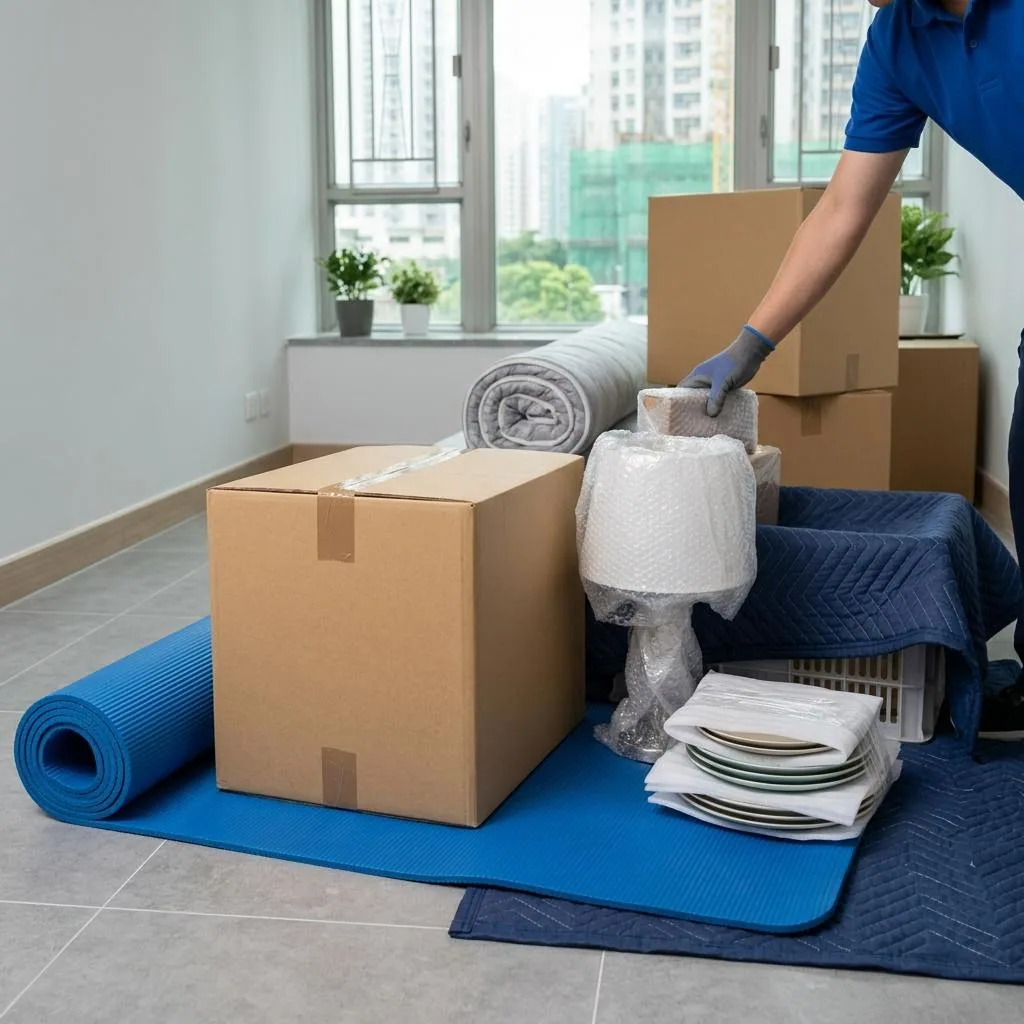
Pack by room or purpose, and label each box clearly with contents and destination, such as bedroom bedding, kitchen dishes, or items for the living room near outlets. Wrap fragile items separately, and do not overfill heavy boxes. If you no longer want certain items, sort them out before moving day so they do not crowd the new flat from day one.
Measure first, then decide the order of furniture entry
New public housing flats may have doorways, corridors, lifts, and corners that do not suit every old item. Measure your bed, wardrobe, fridge, sofa, and dining table before moving, and compare them with the lift interior, entrance width, and turning space. For oversized or long items, ask in advance whether they can be dismantled for moving.
On moving day, bring in the essential large furniture first, such as the bed frame, mattress, wardrobe, and dining table, then the boxes and smaller items. If newly purchased furniture or appliances are arriving later, keep space clear for them instead of trying to force everything in at once. A clear walkway reduces bumps, scratches, and wall damage.
Treat the lift and lobby as shared space
The biggest issue during first-wave move-ins is multiple households using the same lift at the same time. Follow the estate office rules, book your slot, and tell the mover the arrival time, crew size, lift type, and volume of goods so there are no last-minute changes. If waiting is likely, keep someone on site to watch the boxes.
On the day, assign one person to contact the estate office, one to watch the vehicle, and one to receive items inside the flat. Clear division of work helps avoid confusion. Do not leave cartons in the lobby, fire escape, or lift entrance, because they can block others and may be required to be removed immediately.
Handle cleaning and inspection before and after move-in
Before moving in, do a simple clean of the floor, windowsill, kitchen surfaces, and bathroom so you are not forced to move cartons back and forth later. If the flat already has shelves, drawers, or storage areas, check for loose screws, stiff hinges, stains, or scratches and record the condition so later disputes are easier to avoid.
After arrival, check the number of boxes, furniture placement, and any missing items right away. If the label does not match the contents, stop and reorganise instead of forcing things into a cabinet. For sockets, air-conditioning, gas, water, window repairs, or any other specialist work, use qualified professionals rather than attempting risky DIY.
Ask the mover for clear details to avoid day-of mistakes
When choosing a mover, focus on practical questions, not slogans: how many workers will come, how the team is assigned, whether stairs are involved, whether they know public housing move-in procedures, and what happens if parking or waiting becomes necessary. If the site has narrow passages, no lift access, or staged moving is required, say so early.
Before departure, confirm the quotation details, service scope, extra-charge conditions, and any limitations, and keep written or message records. If an item involves dismantling, electricity, gas, structure, or any other specialist matter, arrange the right qualified tradesperson separately; the mover should only handle the moving work they can lawfully and practically provide.
Frequently Asked Questions
What should I deal with first for a first-wave public housing move-in?
First confirm the estate office rules, lift booking, and unloading point, then divide belongings into priority and later batches to reduce waiting and rehandling.
Why is it better not to move everything in one trip?
Because first-wave move-ins are crowded and lift time is limited. Splitting the load reduces congestion, keeps the lobby clear, and lets you set up the basic living area first.
Do I need to bring every piece of old furniture into the new flat?
Not necessarily. Measure first and check whether each item is still useful. Selling, donating, or disposing of oversized or unsuitable furniture can make the move smoother.
How can I keep the lobby and lift area from becoming chaotic on moving day?
Assign clear roles, arrive on time, label boxes by room, and avoid leaving items in shared spaces for too long. That helps prevent blocking and confusion.
What if there are electrical, gas, or structural issues in the flat?
These are specialist tasks and should not be handled as DIY. Use qualified professionals or the relevant service providers, while the mover handles only the moving part.


