MOVING TIPS & ADVICE
How to Organise a New Home Quickly After Moving
Key answers
Start with the rooms you need first, sort items by use, label boxes clearly, and set up only the essentials before fine-tuning the rest. For bulky items or technical work, confirm the requirements in writing first.
Set the order first, so you do not unpack everywhere at once
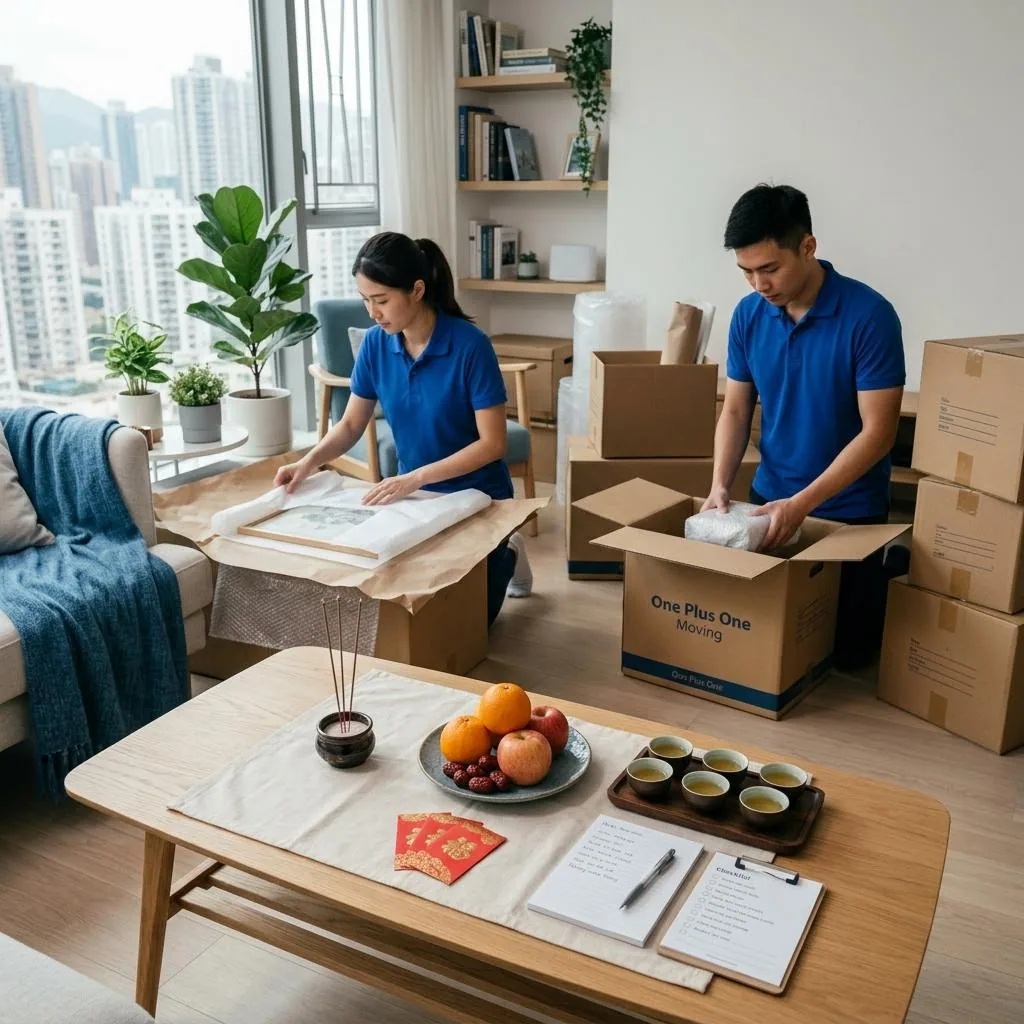
After moving in, the fastest way to settle down is not to unpack everything at the same time. Set a clear order first: bedroom, bathroom, kitchen, then living room, storage areas, and décor. That way, your basic daily routine can work before you spend time on non-essentials.
Make a short task list for each room, such as setting up the bed, placing toiletries, arranging common cookware, and choosing charging spots. If there are many boxes, open only the ones marked as immediate-use items first and leave the rest sealed, so the home does not become more chaotic while you are organising it.
Reduce clutter before you start unpacking
One of the biggest reasons moving takes longer is bringing too many unnecessary items into the new home. Before unpacking, quickly sort out anything broken, expired, unused, or no longer fitting, so the rest becomes much easier to place. If you have duplicates, decide now which set stays and which one leaves.
You can separate items into keep, donate, sell, and discard, but different materials and bulky items may need different handling. Check building disposal rules and clearance limits before getting rid of large items. If something is too large to move safely through narrow stairs or lifts, do not try to dismantle it on the spot without proper support.
Sort by purpose, then place each group once
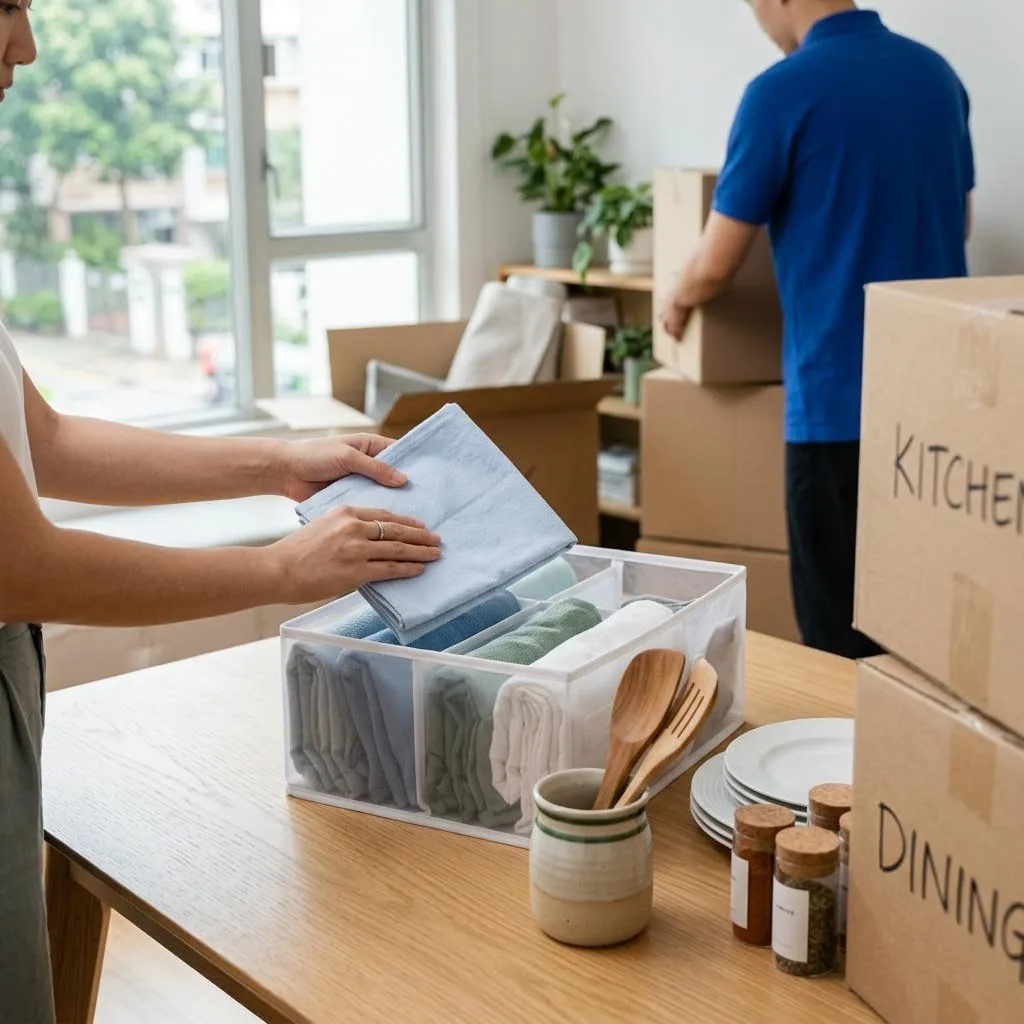
The quickest way to unpack is to sort by use, not by box number. Group items into clothing, kitchenware, cleaning supplies, documents, cables, and seasonal items, then decide where each group should live. Handling one category at a time saves time and reduces the chance of putting things in the wrong place.
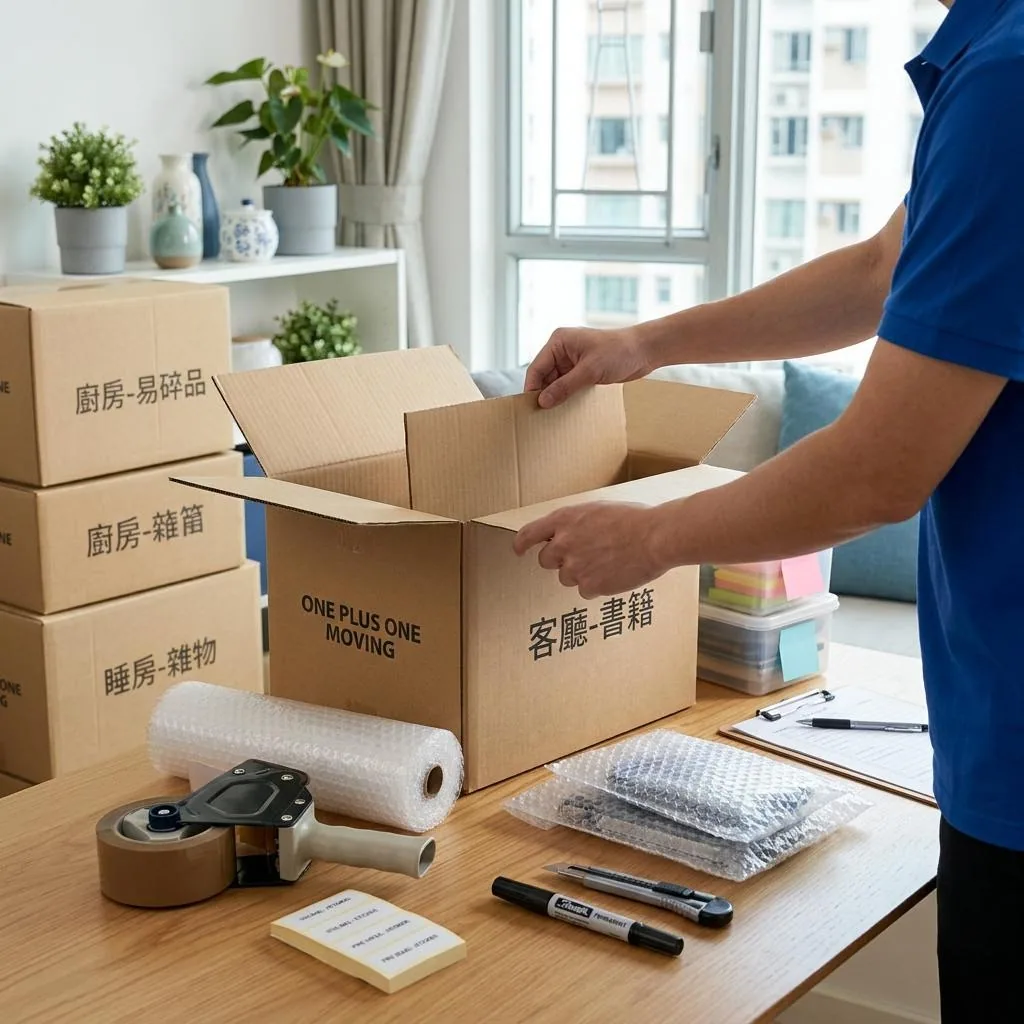
Clear labels make a real difference. Write the room, category, and whether the box is urgent, such as bedroom bedding or kitchen daily dishes. If you prepared a moving list in advance, use it to check boxes one by one, making sure the essentials are ready first before dealing with less frequently used items.
Use storage tools that fit the space, not just the look
Storage tools are for function first, not decoration. Small bins, drawer dividers, hooks, shelves, and vacuum bags can all help, but choose them according to the actual space. Measure shelf depth, height, and door clearance before buying too many containers or oversized organisers.
Kitchens and bathrooms get messy quickly because they hold many small items. Keep daily-use items easy to reach, and move spare stock to higher or lower areas. Wall space, door backs, and under-bed space can all be useful, but do not block walkways, door movement, or ventilation. If you are unsure about humid areas, think about airflow and moisture first.
Leave electrical, gas, and structural issues to qualified professionals
When settling a new home, people often want to handle sockets, light fittings, gas appliances, air conditioners, water heaters, or wall mounting at the same time. These are not jobs to improvise on. Anything involving electricity, gas, structural fixing, leaks, data lines, or specialist technical work should be handled by qualified professionals, not treated as part of ordinary moving work.
Before placing large appliances or heavy furniture, check the doorway, corridor, lift, and floor level to make sure the item can fit. If you need drilling, modifications, or fixed installation, confirm the building rules first and, when needed, ask for written confirmation. That avoids disputes later over access, protection, or permitted installation points.
Finish the core living areas first, then improve the rest gradually
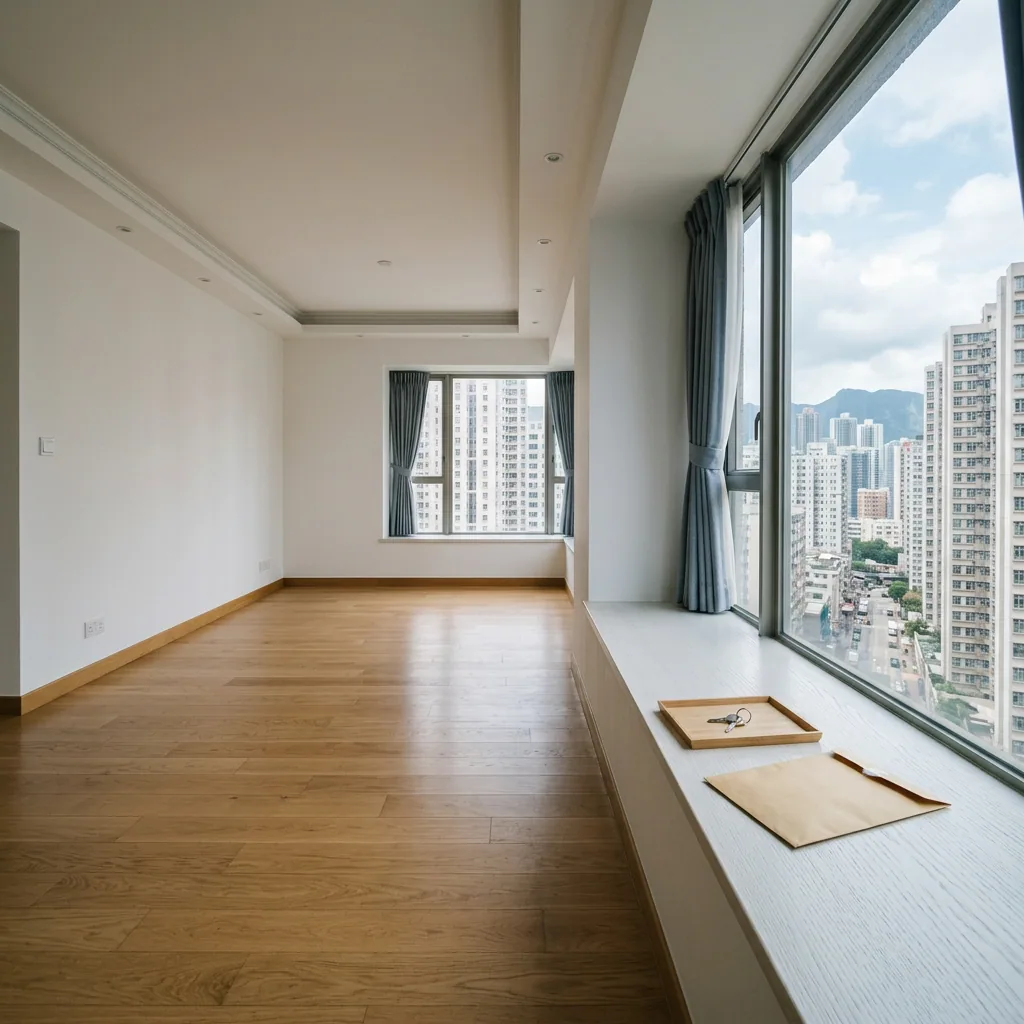
A new home does not need to be perfect on day one. Once the bed, bathroom essentials, basic cooking setup, rubbish handling, and daily storage are in place, the home will already feel much more liveable. After that, you can improve the document area, seasonal clothing, books, and décor in stages.
If time is tight, break the job into two or three days. Day one for the bed and bathroom, day two for the kitchen and clothes, and day three for the living room and smaller items. After each zone is done, check that the walkways are clear, valuables are put away, and there are no boxes blocking movement at the end of the day.
Frequently Asked Questions
Which room should I organise first after moving in?
Start with the bedroom and bathroom, then the kitchen, because these spaces affect daily life first. If you are staying overnight, the bed and toiletries should be handled immediately.
What should I do before opening boxes so the home does not get messy?
Place all boxes by room and category first, then only open the urgent ones. A short task list helps you avoid unpacking too many areas at once.
Which items should I remove first after moving?
Broken, expired, unused, duplicated, or ill-fitting items are the best first targets. Large unwanted items should be handled according to building and collection rules.
Why is labelling boxes so useful?
Labels tell you what is inside and where it should go, which makes it easier to find essentials quickly and avoids opening boxes repeatedly.
What should I do if the new home needs installation or technical work?
Anything involving electricity, gas, fixed structures, or other specialist work should be handled by qualified professionals. For anything that may affect moving access or building rules, ask for written confirmation first.