MOVING TIPS & ADVICE
Key Points for Tenant Moves
Key answers
A tenant move is not just about lifting boxes. Check your lease, confirm handover conditions, handle deposit records, and arrange utilities and address updates early to avoid disputes and last-minute delays.
Read the lease first, then set your moving date
Before you move, read the tenancy agreement line by line, especially the notice period, early termination terms, cleaning obligations, key return requirements, and whether the flat must be restored to its original condition. If any clause is unclear, ask the landlord or agent to confirm it in writing so you are not relying on verbal promises later.
In Hong Kong, many disputes happen at the end of a tenancy because the parties remember the terms differently. If you plan to move out on a weekend, at month end, or during a busy building period, also check whether the building office has restrictions on loading, lift booking, moving hours, or parking, as these affect the real schedule.
Declutter before packing to cut down the load
Sort your belongings into three groups first: keep, give away, and discard. Clothes, books, small household items, and kitchenware often build up over time, and if you skip the sorting stage, you simply carry the clutter into the next home. Deal with broken, duplicate, or long-unused items before packing so you reduce the number of boxes and the time needed on moving day.
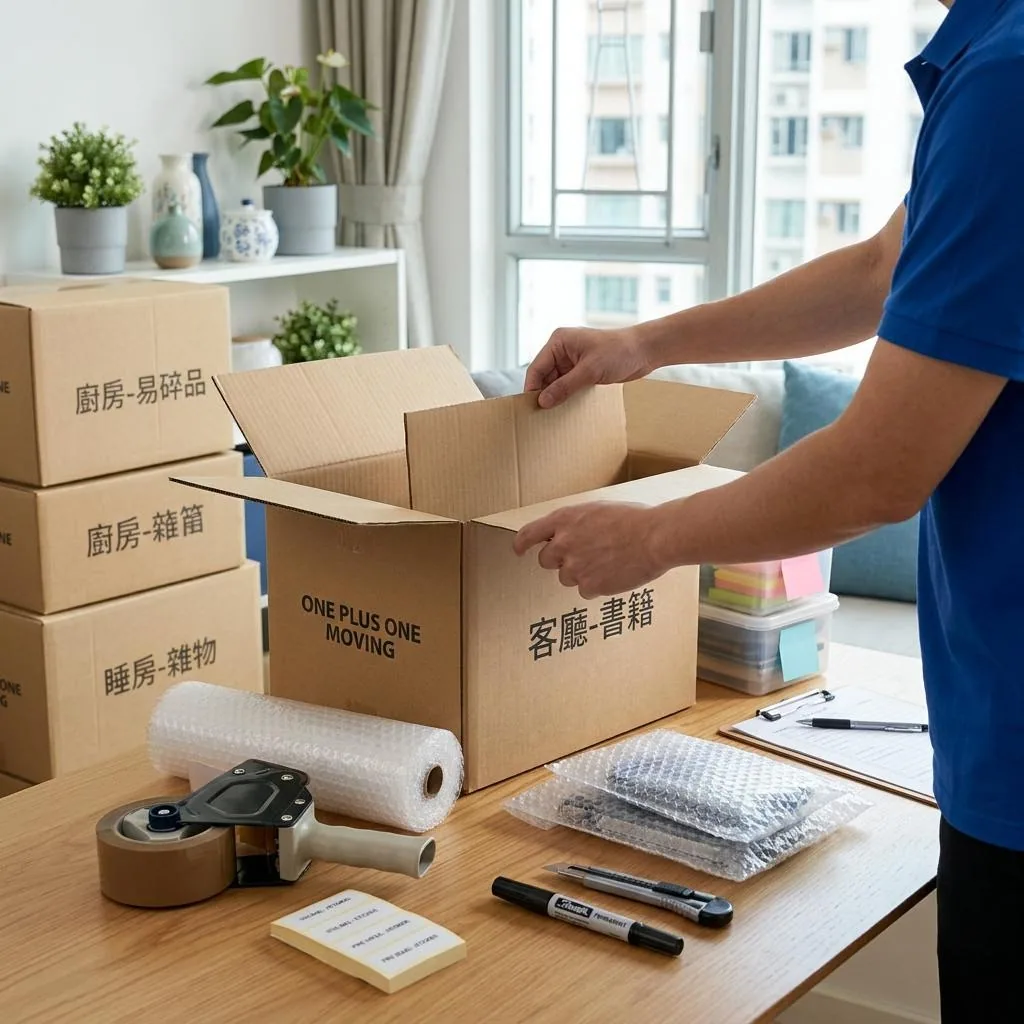
Label each box clearly with the room name, contents, and whether the items are fragile. Keep documents, receipts, medications, and daily essentials in a separate bag or box that stays easy to reach. If your building has a narrow lift, tight stair turns, or an older walk-up layout, also pay attention to box size so the items can actually be moved through the route.
Do the handover check, meter reading, and photo record
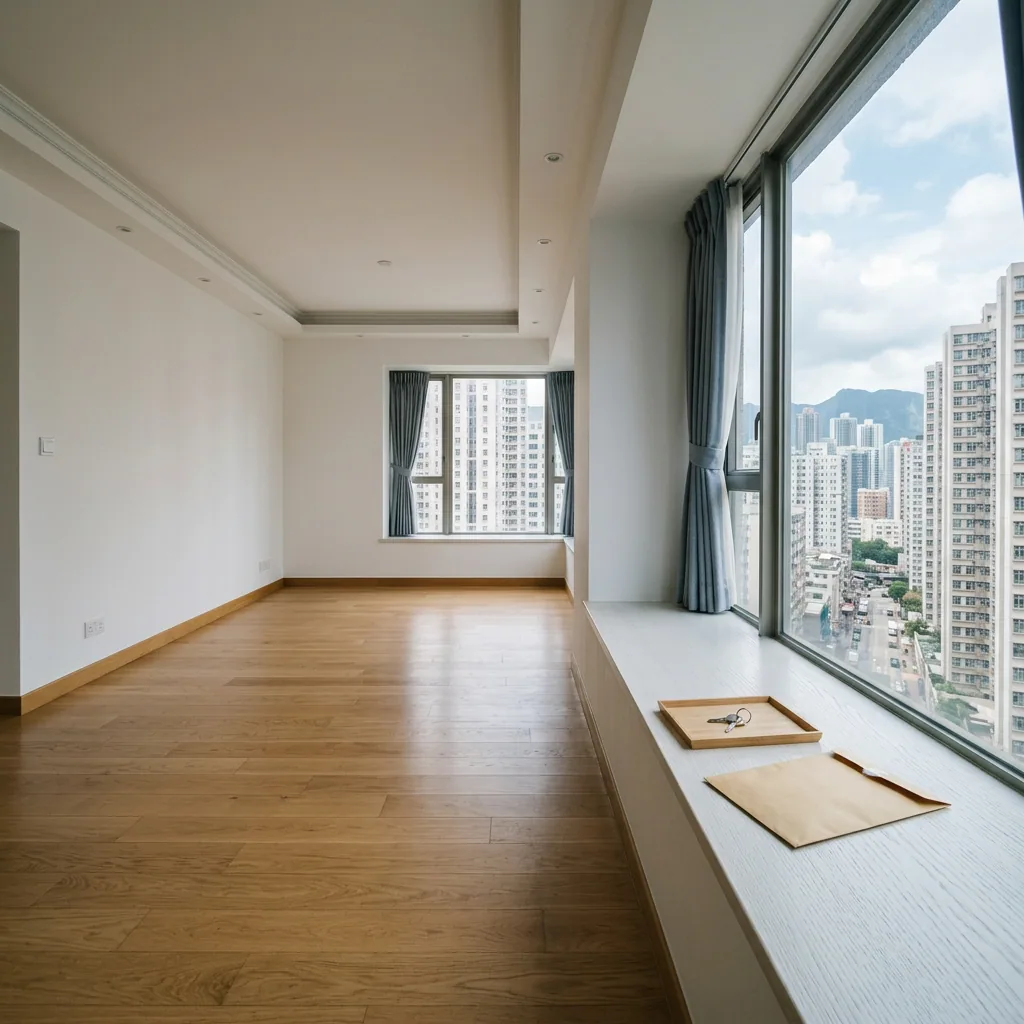
On moving day, take photos before and after the flat is restored, including walls, flooring, furniture placement, windowsills, kitchen, bathroom, and any existing wear. Record the meter readings for utilities as well. If the lease says you must return all keys, remotes, access cards, or mailbox keys, check them item by item against a list so nothing is left behind.
If there is visible wear, peeling plaster, floor scratches, or faded paint, separate normal usage from damage caused before you leave. If a dispute is likely, communicate in writing and ask for the items being deducted and the reasons behind them. Do not rely only on a verbal agreement and leave in a hurry, because deposit issues usually depend on records and photos.
Plan the move around the building and the neighbours
Many Hong Kong residential buildings have practical limits on moving operations, such as limited parking, no long-term stopping for vans, lift reservations, or approval from the building management office. If you are moving from a walk-up, village house, or a flat without a lift, measure the stair width, turning points, and door height in advance so the plan matches the real site conditions.
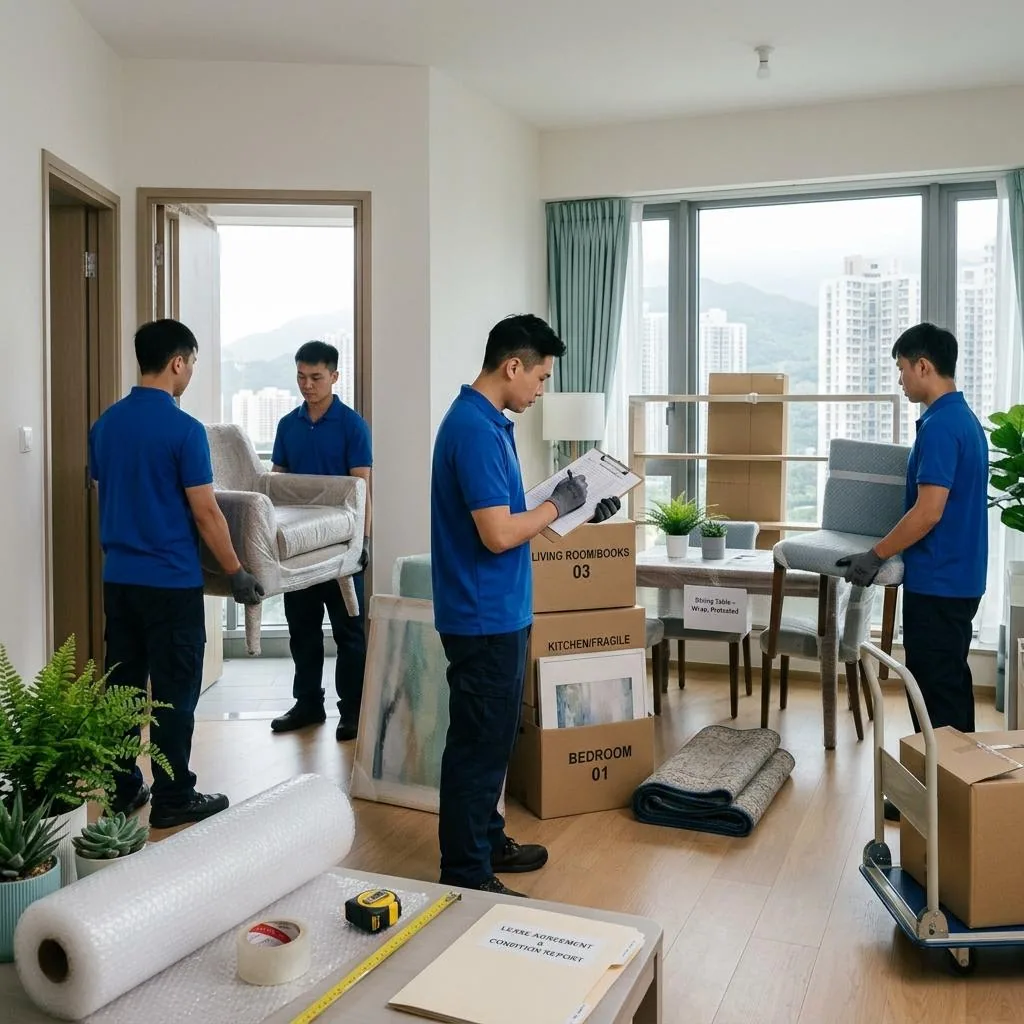
Also consider neighbours and building rules. Avoid late-night or very early moving to reduce disturbance. If you have large furniture, glass, mirrors, or items that may need dismantling, confirm with the mover whether they can handle them, and give clear details about size, floor level, lift access, and stairs so they can estimate manpower and time accurately.
Keep utilities, internet, and address updates in step
Arrange both the termination at the old flat and the activation at the new one. Utilities such as water, electricity, and gas may require advance notice, meter reading, and final settlement. If the lease says a landlord or tenant is responsible for a particular item, confirm it early so you do not arrive at the new home without basic services in place.
Do not forget to update your address with the internet provider, subscriptions, bank, school, employer, and any other important contacts. If some services will not be ready immediately, prepare mobile data, a temporary communication method, and basic household supplies, and work through the address change list one item at a time so nothing important is missed.
Check the new home first, then settle in gradually
After moving in, do not open every box at once. Start by checking the new flat for obvious issues such as locks, windows, water supply, power points, walls, cabinet doors, and flooring, then place items room by room. If anything does not match the handover description, take photos and notify the landlord or agent promptly, with records kept in writing.
When settling in, handle the bedroom, bathroom, and kitchen first because these areas affect daily life the most. Box labels will make unpacking much easier. If any item requires specialist installation, wiring, repair, or restoration, let a qualified professional handle it instead of forcing a DIY fix, so you avoid injury and property damage.
Frequently Asked Questions
What should a tenant check first before moving out?
Start with the lease: notice period, handover conditions, cleaning obligations, key return, and deposit terms. Confirm anything unclear in writing with the landlord or agent.
Is it worth decluttering before packing?
Yes. Sorting items into keep, give away, and discard helps reduce the number of boxes, shortens moving time, and makes the new home easier to organise.
Why should I take photos and meter readings at handover?
They provide evidence of the flat's condition and utility usage, which helps if there is any later dispute about deposits, damage, or charges.
How can I avoid problems with building management on moving day?
Check lift booking, loading access, parking rules, and allowed moving times in advance, and share the details with the building office before the move.
What moving-out tasks do people most often forget?
Common misses include address updates, utility settlement, internet arrangements, returning access cards and keys, and keeping receipts or important documents in order.