MOVING TIPS & ADVICE
When Your Lease Ends Suddenly: An Emergency Moving Checklist
Key answers
If your lease ends early or the new place is delayed, handle the essentials first, then confirm building access, transport timing, and move-in conditions to avoid a rushed mess.
Secure the essentials before opening every box
When time is tight, start by separating the items you will need on day one. Put IDs, Octopus cards, cash, keys, regular medicine, chargers, a few changes of clothes, toiletries, and one or two days' worth of towels into a hand-carry bag or suitcase. Do not mix these items into moving boxes, or they may be hard to find later.
Keep important papers, a copy of the tenancy agreement, mover contact details, and a list of old and new addresses in one place, preferably under one person's control. If children or elderly family members are moving too, prepare their first-night items separately so you are not searching through boxes after arrival.
Pack quickly, starting with large items and clutter
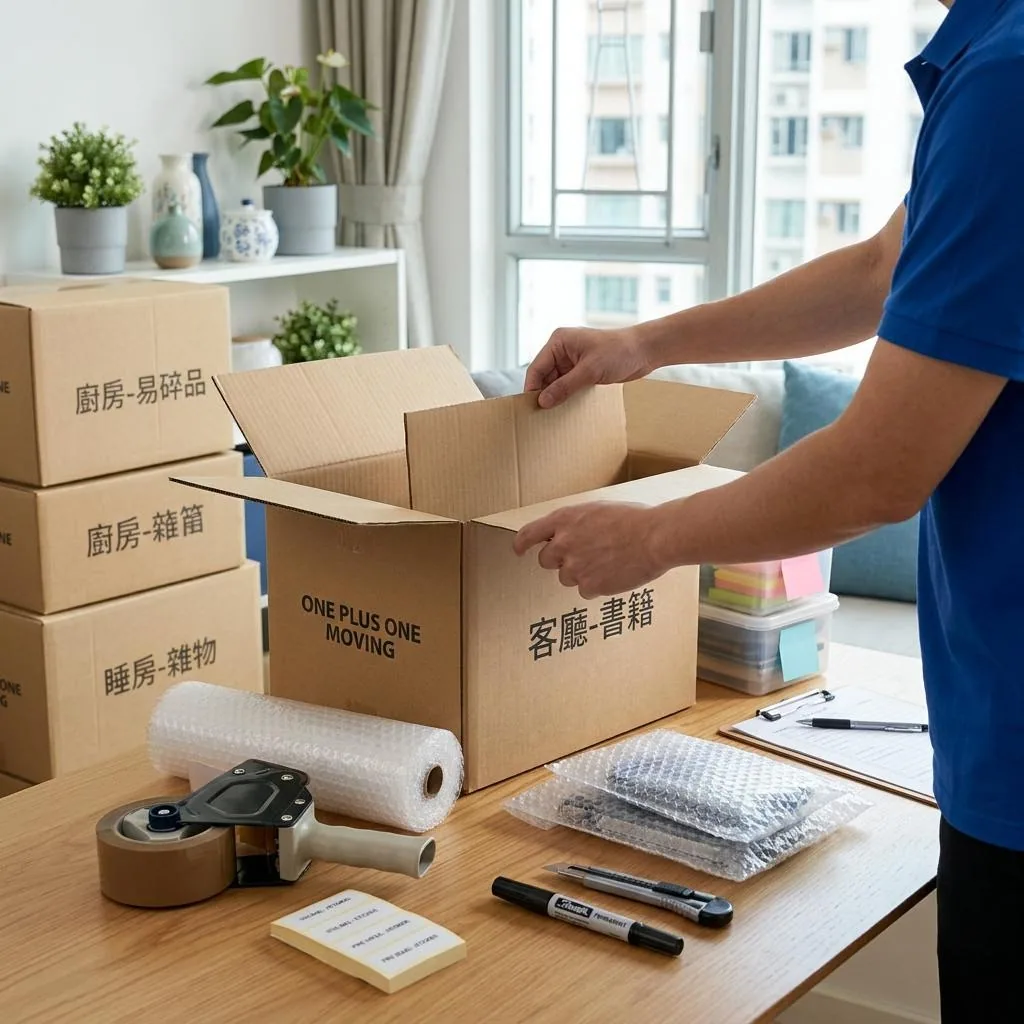
For an emergency move, do not aim for perfect sorting. Use a room-by-room approach: clear loose items from each room first, then pack similar things together in a rough way. Clothes, bedding, books, toys, and kitchenware can be boxed by room or use, and each box should be labeled with the room name and a basic description.
For drawer contents, you may remove the whole drawer and pack it as one unit, but avoid overloading boxes, leaving sharp edges exposed, or mixing in leaking liquids. Fragile items should be wrapped with clothing or towels where possible. Hazardous items, batteries, flammables, gas cylinders, and equipment that needs specialist handling should be separated and checked in advance.
Clear access and transport issues early
The biggest delays in an emergency move are often building rules and transport access, not packing. Contact both building management teams as early as possible to confirm the moving time slot, whether the lift must be reserved, whether notice or registration is required, and whether a van can stop briefly for loading. If the home is in a walk-up, village house, or narrow stairwell, tell the mover in advance.
Measure the width of the door, lift, corridor, and stair turns so you know whether large furniture can pass through. If parking, loading bay, or lift-time limits apply, align the arrival time with the mover early. Clear the entrance, passage, and stair area so that boxes and furniture do not get blocked on moving day.
Check the new place first, then decide the moving order
Even when you are rushing, the new home still needs a basic check before anything comes in. Confirm that the door lock works, windows can close properly, water supply is available, electricity is on, and the bathroom drains normally. Any electrical, gas, or structural issue should be handled by qualified professionals; do not try to fix or test these systems yourself.
Once on site, clear one corner for the first boxes so there is a safe place to set them down. Then unpack in this order: bedroom basics, bathroom items, and the most necessary kitchen supplies. If the unit is still not fully ready, leave the rest for the next day instead of opening everything at once and losing control of the space.
Avoid the most common mistakes under time pressure
The biggest mistake is stuffing everything into bags or boxes without thought, which makes documents impossible to find and can crush electronics or soak clothes. Another common problem is using labels that are too vague, such as only writing 'miscellaneous'. At minimum, note the room, contents, and whether the box is fragile.
Many people also forget the handover steps for the old home, such as clearing rubbish, returning keys, taking meter readings, or taking photos for record. If the lease is ending and the unit must be returned, write these tasks into a checklist and finish them in order. Ask the landlord or property manager to confirm what has been handed over, so there is no later dispute.
When to bring in a moving team
If you only have one or two days left, or the home contains many bookshelves, wardrobes, stairs, and large furniture, relying on friends alone can be exhausting. In that case, tell the moving company the pickup and delivery addresses, floor levels, lift access, parking restrictions, the large items to be moved, and the expected timing, so they can judge whether the manpower and vehicle plan is enough.
Before booking, ask for written confirmation of arrival time, scope of work, extra charge conditions, whether you must dismantle or pack items first, and what happens if building restrictions affect the move. If you have special items such as a piano, safe, fragile goods, or heavy objects, raise them clearly and check Moving house price list and Service terms before deciding.
Frequently Asked Questions
What should I do first in an emergency move?
Separate your IDs, keys, cash, chargers, medicine, and one or two days of essentials first, so you can access them immediately after the move.
How can I pack when there is no time to sort properly?
Pack roughly by room or use, label each box with its contents and destination, and keep hazardous, flammable, or specialist items apart.
What should I confirm with the building before moving day?
Confirm the moving time slot, lift booking, loading access, parking limits, and any management procedures. For walk-up or village houses, also explain stair and access conditions.
How should I handle a new home that is not fully ready yet?
Clear one corner for boxes, then unpack bedding, toiletries, and basic kitchen items first. Leave everything else for the next day if needed.
When should I contact a moving company early?
If you only have a day or two, or there are many heavy items, stairs, or large furniture pieces, contact a mover early and ask for written confirmation of scope, timing, and any extra charges.