MOVING TIPS & ADVICE
Hong Kong Move-In Customs: Four Corners Ritual, First Stove, and Red Packets
Key answers
A practical guide to Hong Kong move-in customs, including the Four Corners ritual, first-stove traditions, and red packets, plus building rules, safety checks, timing, and what to confirm before you start.
Why people keep these customs, and what to prepare first
Many families in Hong Kong keep move-in rituals mainly for peace of mind and a more orderly first day in the new home. The customs themselves are flexible; what matters most is respecting family tradition, building rules, and neighbours, instead of turning the ritual into something that blocks the move or creates smoke and mess.
Before you begin, confirm the handover date, renovation completion, moving schedule, and management requirements such as whether incense is allowed, where to burn paper offerings, elevator booking, access route, and floor protection. If the building has special rules, follow the management notice and request written confirmation where needed.
How the Four Corners ritual is usually done
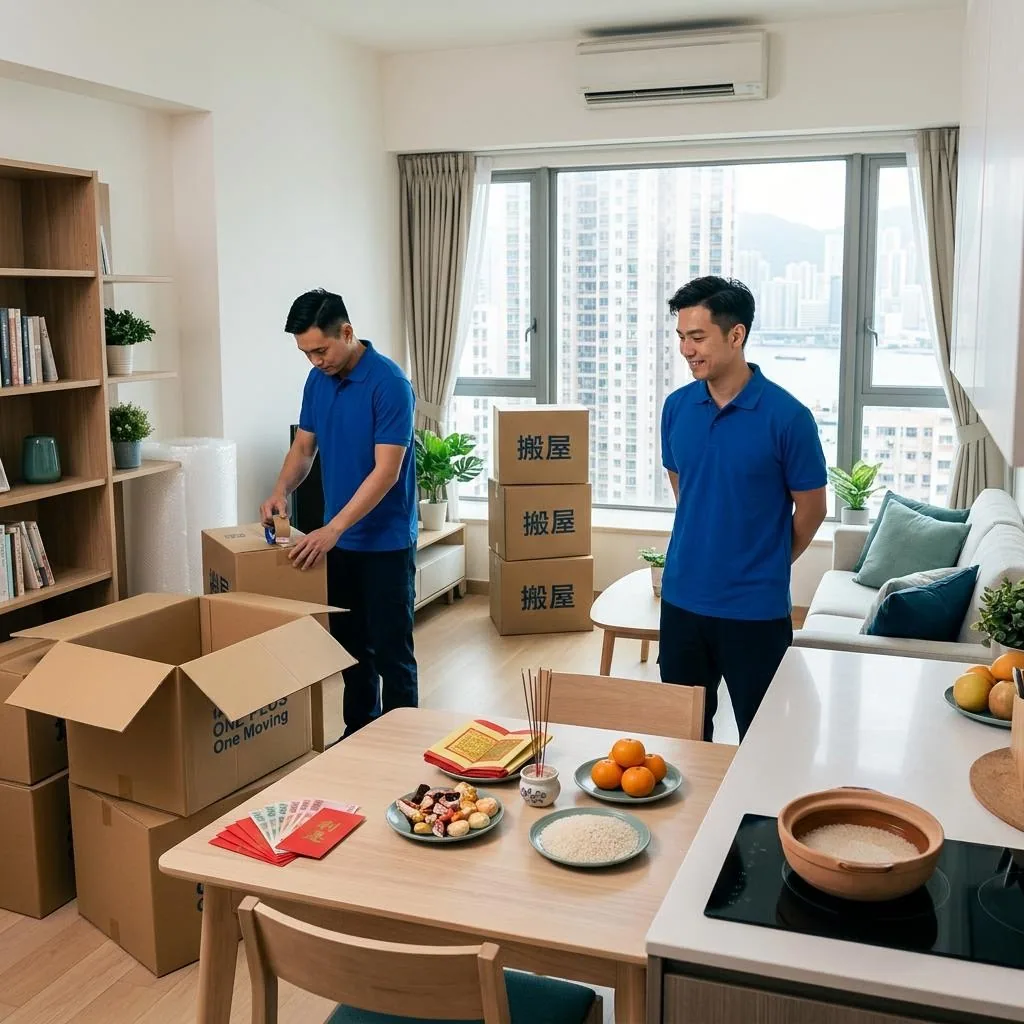
The Four Corners ritual is often performed before furniture is moved in, as a way to acknowledge the new home and keep the space tidy and calm. A common approach is to start from the centre or living room area, then move around the four corners in order. The exact sequence can vary by family preference, but the space should stay clean, quiet, and safe.
Common offerings include incense, paper offerings, fruit, or sweets, while some families keep it even simpler. If the building does not allow open flame, or the flat is not fully cleaned yet, do not burn anything indoors. Use a simplified version or follow the building’s designated arrangement, and check in advance whether the proposed method is acceptable.
First-stove traditions and a practical first-day plan
The first-stove custom is usually about having fire, water, and food on the first day in the new home. Many households open the windows for airflow first, then safely boil water, cook noodles, make sweet dumplings, or serve a simple meal together. If the kitchen has not been properly inspected yet, safety comes first and you should not force use of an uncertain cooker.
If you want a very simple version, opening the windows, turning on the lights, and placing cleaned daily items is already enough for many households. For gas, electric cookers, extractor fans, or water heaters, a qualified professional should confirm they are suitable before use; do not attempt risky DIY installation or testing.
Rice jar, lucky notes, and practical symbolic items
Many people prepare a new rice jar or rice bucket on move-in day to symbolise stability, and some place a red packet or coins inside the rice to suggest abundance. These steps are optional. If you prefer a simpler approach, just have basic food, drinking water, and daily necessities ready for the first day, which is often more useful than elaborate symbolism.
A red packet for the movers is a way to show appreciation, but there is no fixed price. It is better to judge based on the amount of work, stairs, weather, heavy items, and overall service. A practical approach is to prepare enough small bills, count the crew in advance, and confirm the preferred arrangement before the move to avoid awkwardness.
When to give red packets, and how to avoid awkward moments
You can give red packets before work starts as a friendly greeting, or after everything has been delivered and placed in position. The first option helps the crew understand the layout and priorities early; the second makes it easier to thank everyone once the job is complete. Either is fine as long as it is discussed beforehand.
A polite simple phrase is enough; there is no need to compare amounts or make exaggerated demands. If there are extra stairs, oversized furniture, added tasks, or delays, talk to the moving team first and decide whether a further thank-you is appropriate based on the actual situation.
Preparation matters more than ritual alone
Move-in customs work best when the practical side is under control. Clear corridors in advance, label fragile boxes, reserve parking and elevator time, keep important documents and keys separate, and prepare cleaning items so the first day is not chaotic. Good planning makes the ritual easier to carry out and reduces stress for everyone involved.
If you want both the custom and the move to go smoothly, do one final check one or two days before moving: what comes off first, what stays in place, which furniture needs dismantling, and which appliances cannot be connected right away. Anything involving electricity, gas, structure, windows, or large furniture installation should be handled by qualified professionals; customs can be simplified, but safety always comes first.
Frequently Asked Questions
Must the Four Corners ritual be done before moving in?
It is usually done before furniture is moved in so the space stays tidy and the traditional flow is preserved. If building rules or timing make that difficult, adjust the schedule as needed, but first confirm whether the ritual can be performed in the unit and whether a designated location is required.
What if the building does not allow incense or burning paper offerings?
Follow the building and management rules, and do not light anything in corridors, stairwells, or the flat if it is not allowed. You can use a simplified version or ask management whether there is a designated place for burning paper offerings; when in doubt, request written confirmation first.
Is sweet glutinous rice ball soup required for the first stove?
No. It is only one common option. Many families simply boil water, cook noodles, or share the first meal in the new home. If the kitchen has not been properly inspected, or the cooker has not been confirmed safe by a qualified professional, do not force the ritual.
Is there a fixed market rate for red packets to movers?
No fixed amount exists. It should reflect the workload, stairs, weather, heavy items, and service quality. The safest approach is to ask the moving team in advance how they prefer to handle it, and request written confirmation if money or timing needs to be clarified.
When should I avoid doing the ritual myself?
Do not handle electricity, gas, extractor systems, windows, structural items, or major appliance installation on your own. For those jobs, use qualified professionals first. The ritual can be simplified, but safety and building rules should never be ignored.


