MOVING TIPS & ADVICE
For a family with elderly people and children, how should moving day be arranged?
Key answers
For elderly people and children when moving home, first arrange a carer, medication and essentials, then keep them away from the moving route and prioritise setting up the rest area in the new home.
First assign care and moving contact duties
The person caring for family members should not also be responsible for directing all moving work at both units at the same time. Please appoint a carer and a moving contact person in advance; if needed, ask relatives or friends to help so that everyone knows the location and contact details on the day.
Decide, according to the family member's physical condition, daily routine and needs, whether to stay temporarily with relatives/friends or at another safe place. Moving services are not medical escort services; for health, transport or care needs, please seek advice from the appropriate professionals and make separate arrangements.
Take medicines, documents and everyday items with you
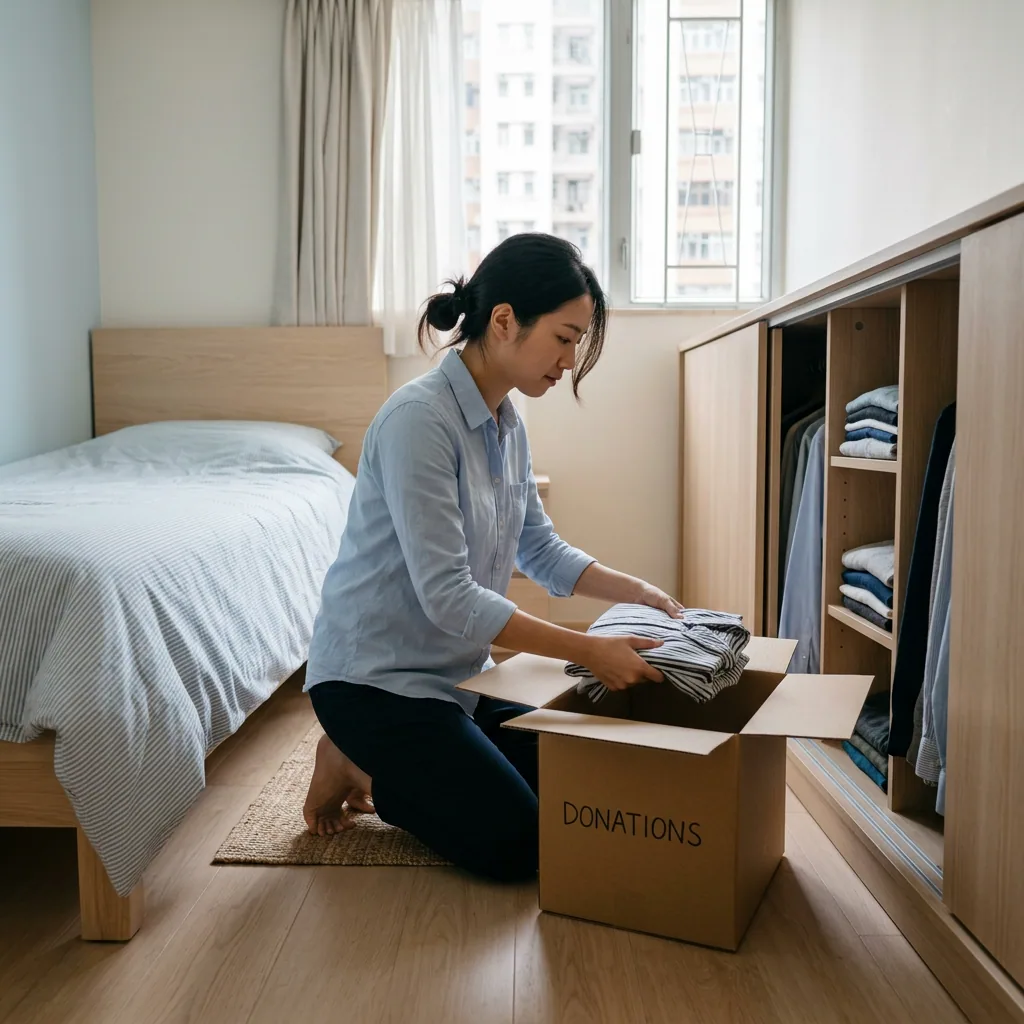
Keep regular medicines, follow-up appointment details, ID documents and contact numbers separately, and do not put them in boxes for delivery to storage or boxes to be unloaded last. Manage medicines according to the person's existing instructions; do not change medication or storage arrangements just because of the move.
- Clothing and personal items needed over the next one to several days
- Comfort items, food and school supplies familiar to the child
- Walking aids or other assistive items required
- Chargers, keys and emergency contact details
Please do not linger in the passageway during the move
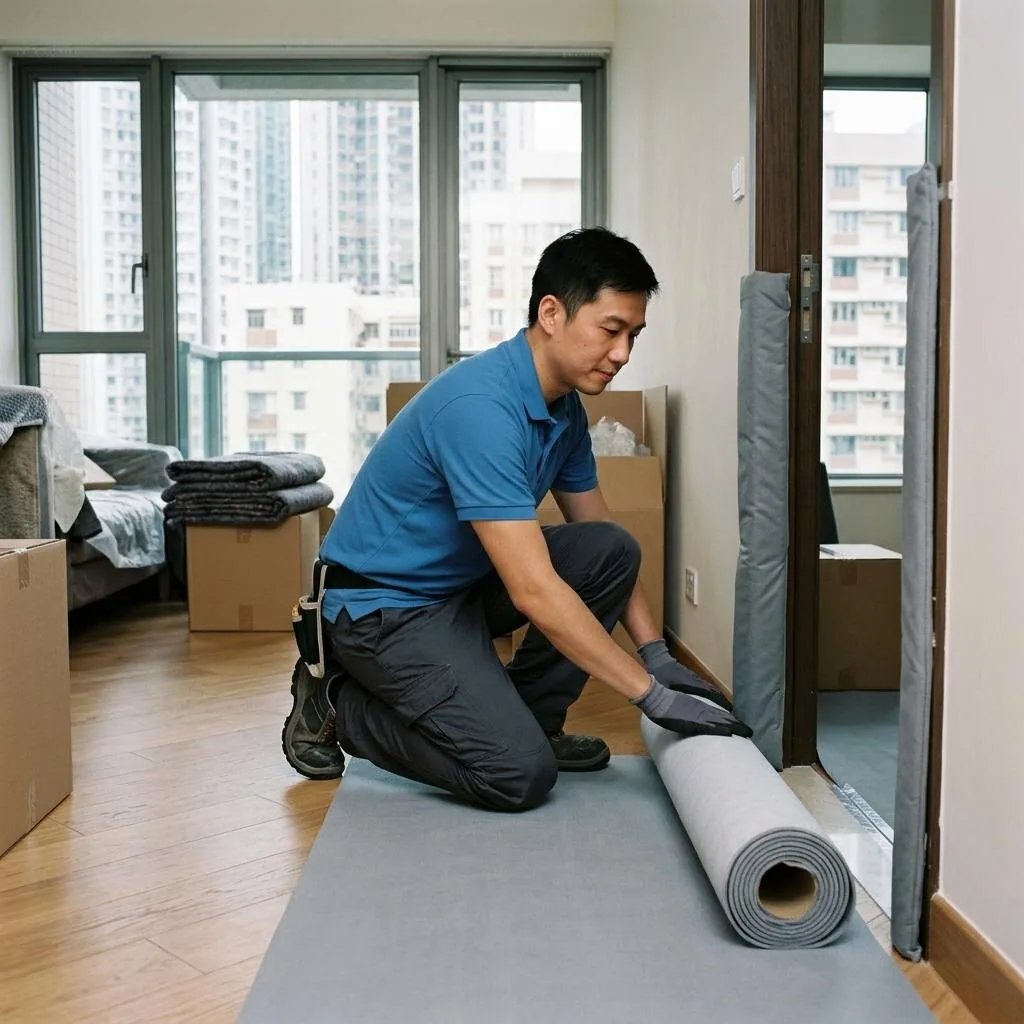
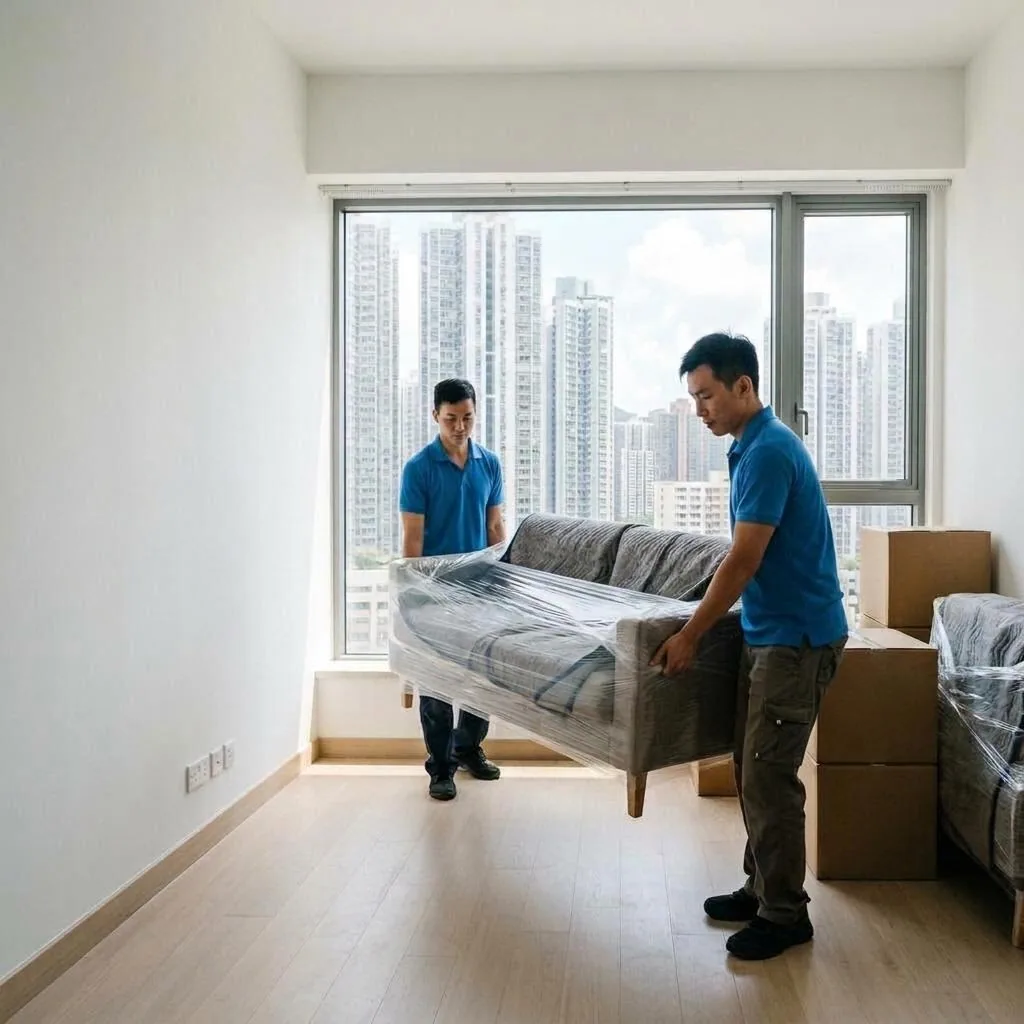
During the move, there will be frequent access near the entrance, stairs and lift. Arrange for family members to rest somewhere away from the moving work. Do not let children help push large items or climb on stacks of boxes, and avoid elderly people moving heavy objects at short notice.
If a clear access route needs to be kept open, please tell the team first; if there are assistive items, special sizes or other usage requirements, include them in the list in advance. Before the new home is fully arranged, please pay attention to doors and windows, floor level differences and unfixed furniture.
Restore familiar living spaces at the new home first
First arrange the bed, bathroom and everyday items, then deal with storage items and decorations. Put frequently used items within easy reach, and explain the keys, lighting and contact methods to family members, to reduce searching around in an unfamiliar environment.
Children may take part in light, safe tidying tasks, such as putting their own clothes back in the designated place, but there is no need to finish unpacking everything on the same evening. Allowing time to rest, drink and eat is more important than insisting on everything being perfectly tidy on the day.
Check again a few days after the move for anything left behind
Check whether medicines, assistive items and daily documents have been put back in the right places, and update the services and addresses that need to be contacted. If a family member needs ongoing care or follow-up appointments, confirm transport and contact arrangements early to avoid the move disrupting existing support.
Open the remaining boxes gradually as needed, so empty packaging, cables or uninstalled items do not block the way. If there is an issue with any item, keep a record and contact the company, so the carer does not need to keep looking into the whole batch while also looking after the family member.
Frequently Asked Questions
If there are elderly people and children moving house, what should be arranged first?
First appoint the carer and moving contact person, prepare medication and essentials, then arrange for family members to stay clear of the moving route and the resting area in the new home.
Can medicines be put into ordinary moving boxes?
Regular medicines and follow-up appointment details are to be kept by family members and stored and used according to the existing instructions, with no self-changes to the medication arrangement because of the move.
Does the moving company provide medical escort?
General moving arrangements are not the same as medical escort services; if health, transport or care is needed, please consult the appropriate people and make separate arrangements.
Can children help carry items?
Only light and safe tidying work is arranged; children must not push large items, climb on stacked boxes or stay along the moving route.
Where should I start organising in the new home?
First arrange sleeping, bathroom, drinking water, medication and contact items, keep corridors and entrances safe, then sort the other boxes gradually according to routine.