MOVING TIPS & ADVICE
Protecting the new home before moving: preparation for door frames, floors and lifts
Key answers
Protection at the new home should be arranged according to the moving route. First check the floor, door frames, corners and lift requirements, then confirm the protection materials, installation work and removal scope.
Identify points along the moving route that are likely to be hit
Check section by section from the unloading point into the unit, paying particular attention to door frames, narrow corridors, corners and the placement of large furniture. Measure the passage first, then decide which areas need protection; do not just place a piece of cardboard at the front door.
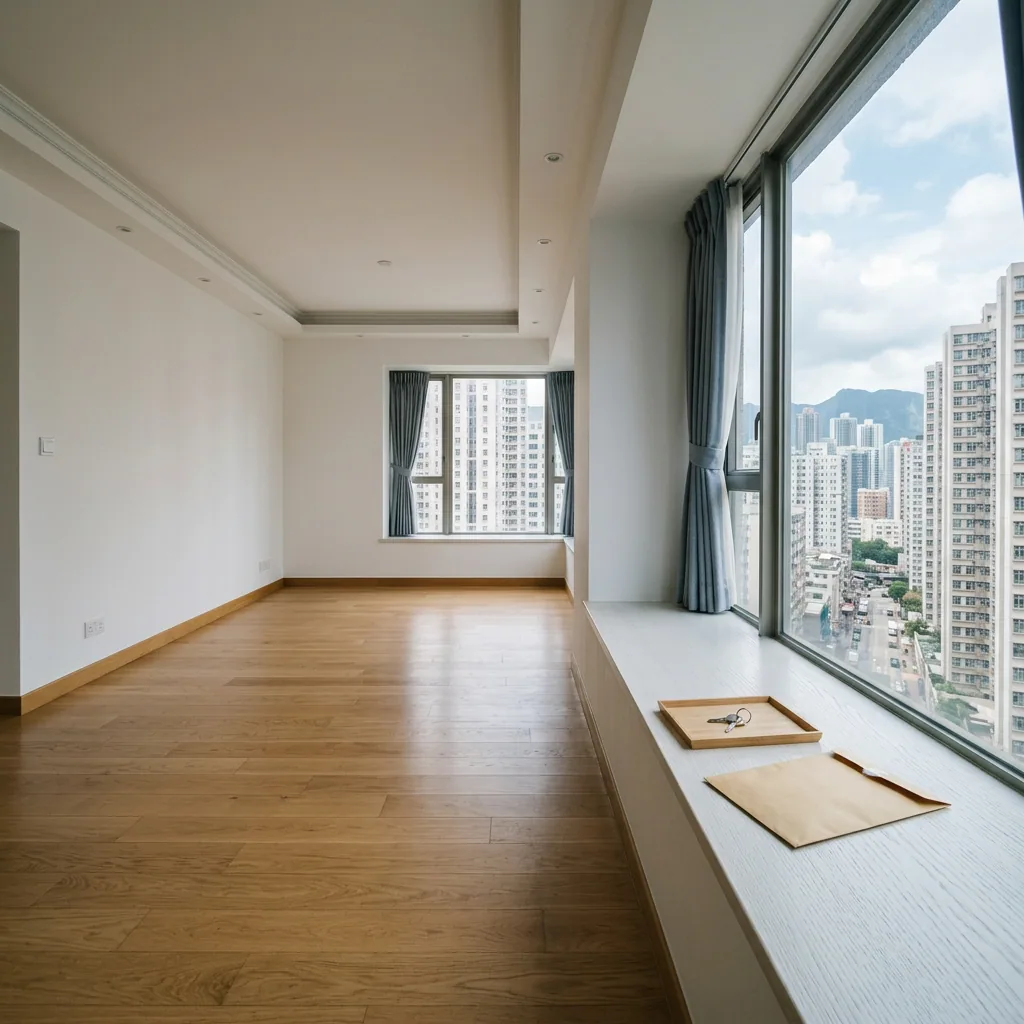
Photograph existing scratches, cracks and any unfinished work, and confirm with the relevant staff whether it is suitable to move in. A freshly finished surface or uncured material should not be assumed ready for transport simply because an extra layer of protection has been added.
Floor protection must take both material and slip resistance into account
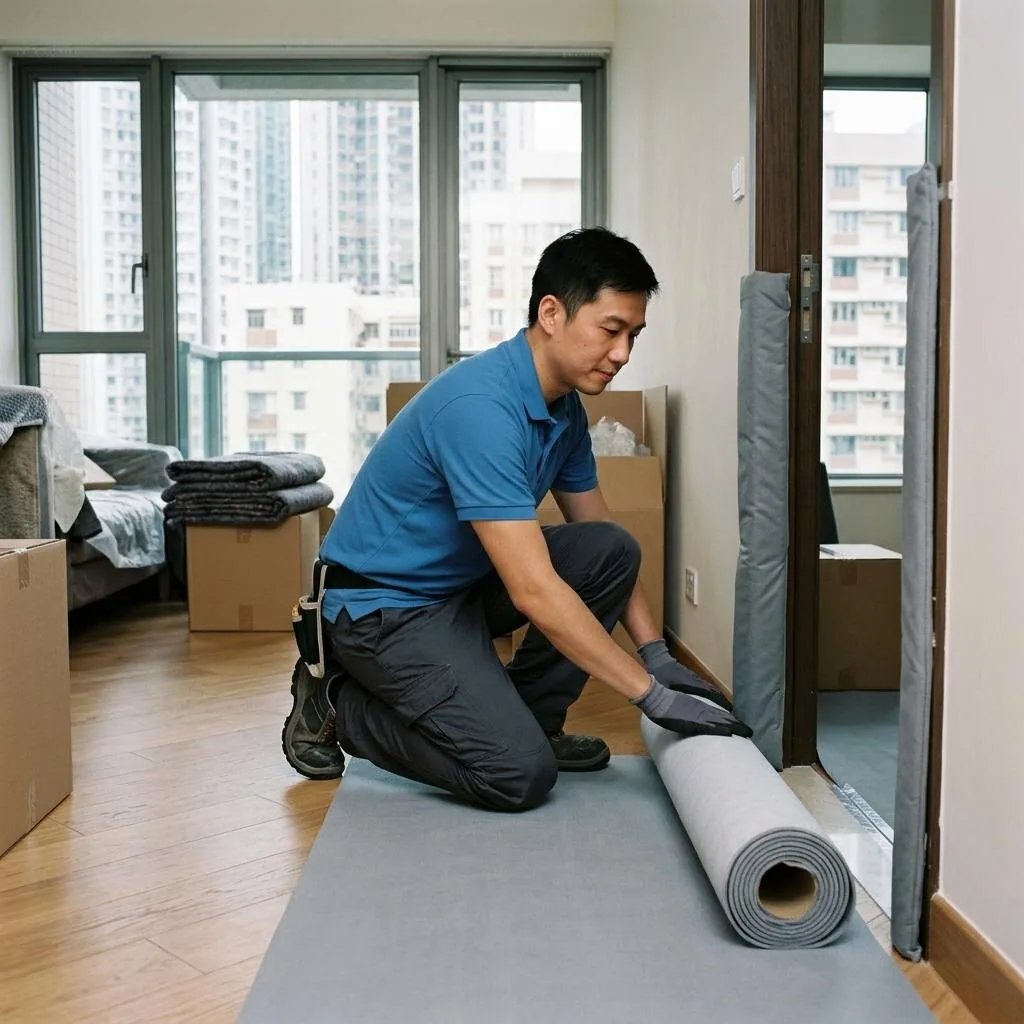
Wooden floors, stone and floor tiles each require different protection methods. Check the surface requirements and suitable materials first. The protective layer should be stable, with proper seams and no obstruction at doorways, to avoid loose cardboard or damp materials increasing the risk of slipping.
Do not apply strong adhesive tape directly to easily damaged finishes, and do not use cleaning agents or adhesive products before understanding the material. If there are special flooring, floor loading or site constraints, have the relevant person confirm them.
Door frames, wall corners and glass positions to be arranged separately
Arrange protection for door frames and corners according to the angle at which the items pass through; glass, mirrors and protruding fittings must be clearly marked. Leave enough space for the team to move items, and do not ignore the already narrow clear width after adding extra protection.
- Measure the usable passage after adding protective materials
- Residents should first sort out the small movable items
- Fixed doors, handrails and fittings must not be dismantled by yourself
- Confirm who is responsible for any items that need dismantling or professional handling in advance
Lifts and common areas to be handled according to management requirements
Confirm with the management office the designated lift, protective boards, unloading point and moving time slot, and understand who will install and inspect them. Check the building rules and the company's service scope separately, and do not assume one party has already handled the other's part.
Protective measures must not block control equipment or affect safe access. For arrangements involving common passageways or fire safety facilities, confirm according to management and site requirements; do not block them for the sake of moving convenience.
Confirm installation, removal and final inspection before the quotation
Please state which areas and materials need protection, and ask clearly whether materials, laying, removal and cleaning are included. If the renovation contractor has already done protection, also state what can be kept and who is responsible, to avoid duplicate work or removing the wrong parts.
After completion, check along the same route. If anything is abnormal, take photos first and contact the company and relevant persons. Surface protection can reduce some risks, but it is not a guarantee that all materials will be undamaged, and suitable moving methods are still required.
Frequently Asked Questions
Which areas should be protected first when moving house?
Inspect floors, door frames, wall corners, narrow passages and lifts along the actual moving route, and arrange according to materials and building requirements; not just the main entrance protection.
Is laying ordinary cardboard on the floor enough?
Not necessarily. The suitable method should be chosen according to the material, joints, anti-slip properties and moving requirements; loose or wet materials may instead create risks.
Can strong adhesive tape be applied directly to the finish?
Do not assume so. First check the surface and material requirements to avoid damage to the finish from tape, cleaning agents or adhesive products.
Who handles lift protection?
Confirm separately with the management office and the company the responsibility for materials, installation, inspection and removal, and do not assume one party has already done it for the other.
Does proper protection guarantee there will be no scratches at all?
This cannot be guaranteed. Protective measures must match the appropriate route and moving method, and material and existing condition must also be considered; any issue will be followed up based on the actual record.