MOVING TIPS & ADVICE
What Is a Moving Essentials Box? How to Pack It Last and Carry It Yourself
Key answers
A moving essentials box holds the items you will need in the first one to two days after moving. Pack it last and carry it yourself so you can find toiletries, chargers, clothes, and medicines without opening every other box.
The purpose of an essentials box is transition, not storage
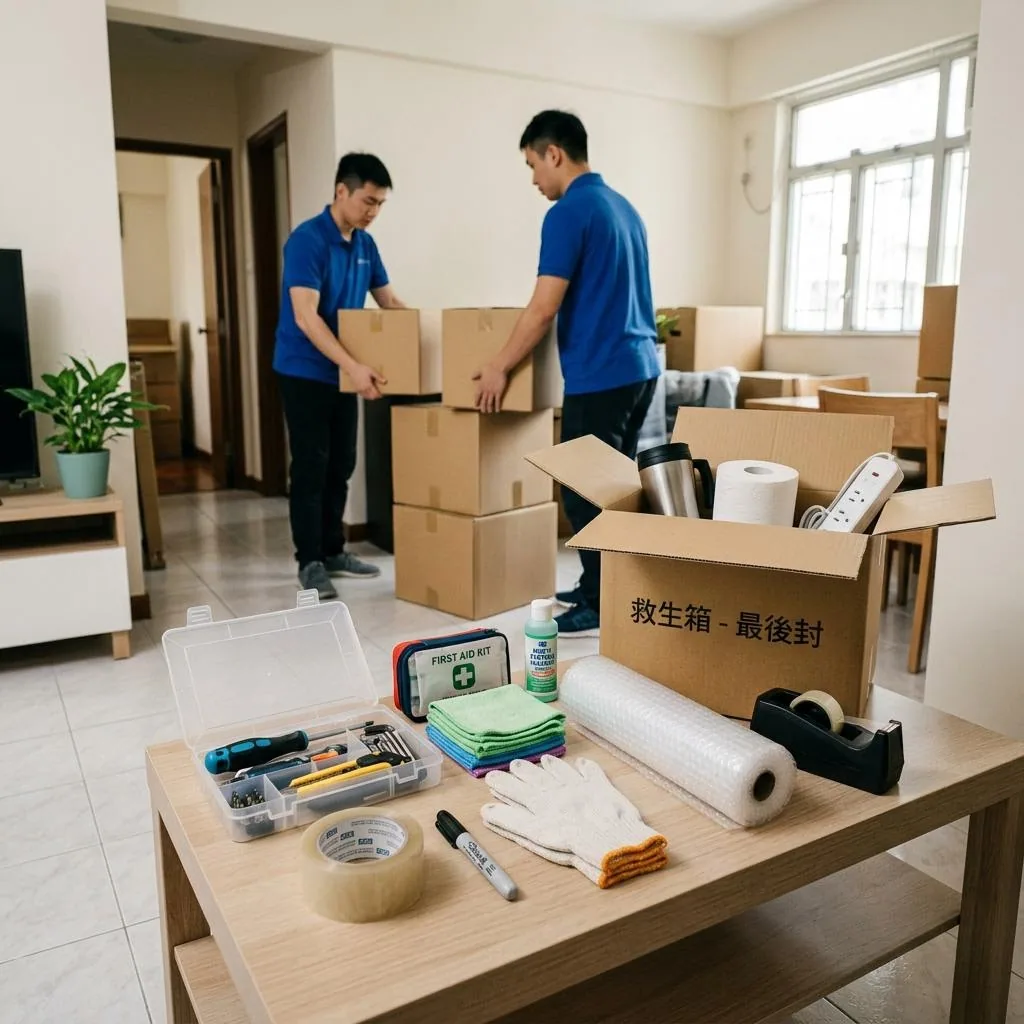
An essentials box is not a normal mixed box. It is a separate pack prepared for the first one or two days in your new home, so the things you need immediately are easy to reach. On moving day, most household items will already be sealed and loaded, and without a dedicated box you may end up searching through many cartons just to find a toothbrush, towel, or phone charger.
Its job is to keep daily life running while the new place is still being settled. Because it is meant for short-term use, the contents should be limited to what you truly need at once. If you pack too many maybe-useful items, it becomes just another random box and loses the point of being an essentials box.
What to put inside: start with daily necessities
Common items include toiletries, a change of clothes, basic medicines, your phone and charger, a power bank, glasses or contact lens supplies, and copies of important identification documents. If you have children, you may also include formula, nappies, comfort items, or a familiar blanket to make the first night easier.
You can also add tissues, rubbish bags, a simple snack, a water bottle, slippers, and one set of bed linens. These items do not need to be many, but they should let you wash up, change, charge devices, and rest before unpacking the rest. Keep a box cutter or scissors separately in an easy-to-find place for opening other boxes later.
Why it should be packed last
The essentials box should be the last box sealed because its contents are often the very things you still need in the final hours at the old home. If it is packed too early, you may have to reopen it before leaving, which is inconvenient and increases the chance of forgetting something important. Leaving it to the end also gives you one final chance to check the contents.
After sealing, mark it clearly with bright tape or a large label such as “essentials box” or “open first.” If the move involves multiple family members, label each person’s box with a name. That way, once you arrive, you can find the right box immediately instead of searching through a pile of similar-looking cartons.
Carry it yourself instead of mixing it with the truck load
The best practice is to bring the essentials box yourself to the new home rather than loading it into the moving truck. The reason is simple: you need these items at the earliest possible moment. If it is mixed with larger cartons and furniture, it may not be unloaded first, and you could arrive before your charger or medicine is accessible.
A practical way is to keep it in your car, a taxi trunk, or a hand-carry bag and travel with it. If your move happens in stages, make sure the box is already with you before your final trip. This is not about convenience alone; it reduces confusion on arrival, especially for larger households, long-distance moves, or homes that cannot be unpacked immediately.
Common packing mistakes to avoid
Many people assume that because everything is going to the new home anyway, any daily item can go into a normal box. The result is that chargers, slippers, skincare products, medicines, umbrellas, and other essentials end up buried among general items. Another common mistake is overpacking the essentials box with snacks, paperwork, or seasonal clothes, which makes it heavy and less useful.
Some people focus on the living room and bedroom but forget the bathroom and kitchen. Then the first things they miss are toilet paper, towels, simple cutlery, and cleaning items. A safer approach is to review your needs again the night before moving: what you will need the next morning and on the first night should stay in the essentials box, while everything else can be packed separately.
A practical checklist before and after moving day
Before sealing the box, check that it contains only one to two days’ worth of items. A short checklist helps: toiletries, a change of clothes, charging items, medicines, documents, simple food, and any immediate needs for children or pets. Then do one more check on moving day to make sure keys, wallet, and other must-carry items are not left behind.
When you arrive, place the essentials box in a fixed spot in the bedroom or living room first, then use it as needed. If you have booked movers, ask in advance which boxes should be clearly labelled, whether priority unloading into a specific room is possible, and whether you should keep important documents and the essentials box with you. Electrical, gas, internet, and other technical connections should be handled by qualified professionals separately, not improvised on moving day.
Frequently Asked Questions
What should go into a moving essentials box?
Start with toiletries, a change of clothes, basic medicine, chargers, document copies, and a few simple food items. The goal is to cover one to two days, not to pack every household item into one box.
When should the essentials box be sealed?
Seal it last, after everything you still need in the old home has been taken out. Many people do the final check the night before or on moving day itself.
Should I give the essentials box to the movers?
It is better to carry it yourself. The box should be immediately available when you reach the new home, without waiting for the whole truck to be unloaded.
How heavy should the essentials box be?
Keep it light enough to carry and easy to open. If it becomes too heavy, it stops being a quick-access box and turns into a regular carton.
What if the move is split across several trips?
Make sure the essentials box travels with you on your final trip out of the old place, so it does not get mixed into the rest of the load.


