MOVING TIPS & ADVICE
How to Keep Emotional Items Without Letting Clutter Take Over
Key answers
When sorting sentimental items, do not rush to keep or discard. Start with non-emotional areas, save memories digitally, set a clear memory-box limit, and decide by present needs and available space.
Leave sentimental items until the end
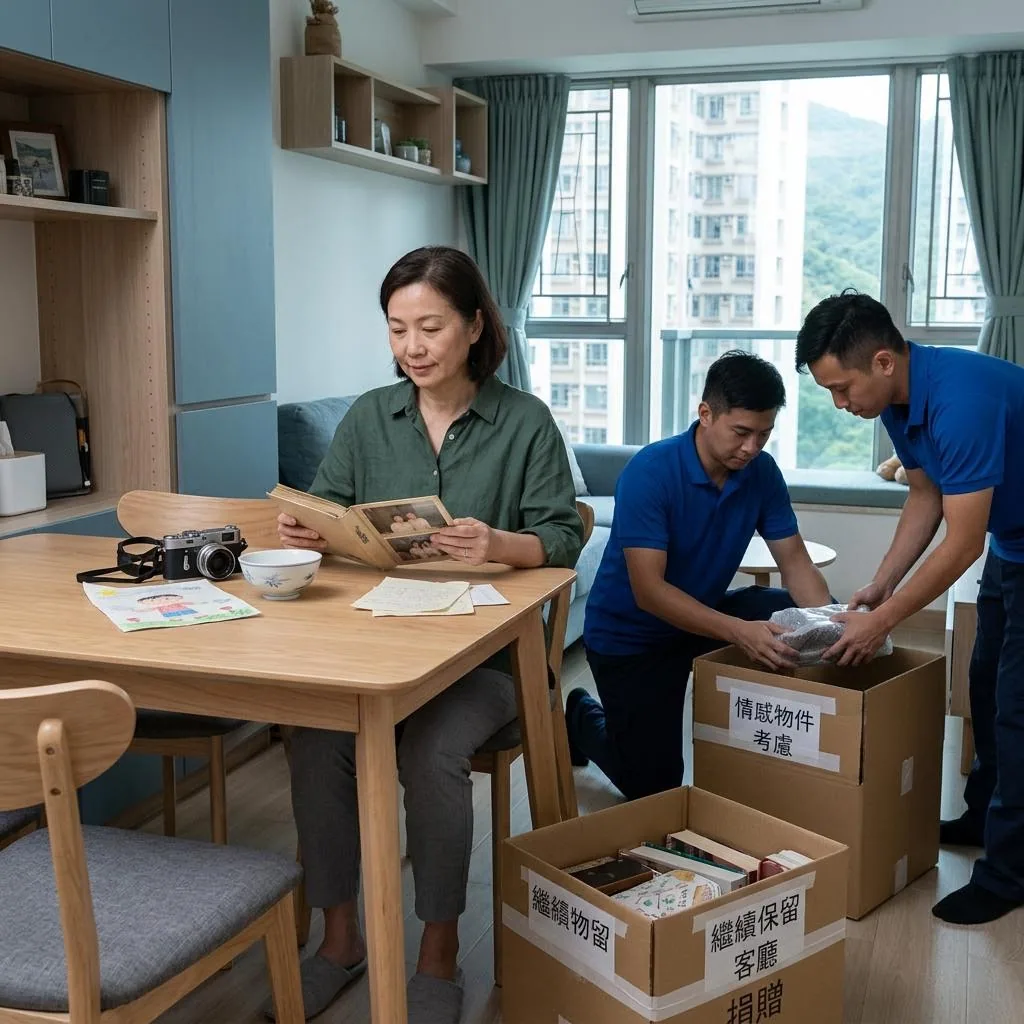
The hardest things to sort are often not appliances or clothes, but items tied to memory. Start with practical spaces such as the kitchen, bathroom, off-season clothing, or duplicate household items, then return to yearbooks, old letters, travel souvenirs, or family keepsakes after you have built momentum.
Saving emotional items for later is not avoidance. It prevents you from making decisions while tired or overwhelmed. Once the easier categories are cleared, the room feels calmer and your judgment is usually clearer, which makes it easier to see what truly deserves to stay.
Preserve the memory before you decide
Many people hesitate to let go because they fear the memory will disappear with the object. In practice, you can first photograph, video-record, or scan meaningful items such as cards, handmade objects, certificate covers, or small souvenirs, so the physical item no longer has to carry the entire memory.
The key to digital saving is clarity, not volume. Organize files by year, person, or event, and add short notes about when it was received and why it matters. That makes future browsing easier and prevents your archive from becoming another source of clutter.
Use a memory box with a real limit
If there is no boundary, sentimental items will keep growing. A fixed-size memory box gives you a practical limit: only the most important, irreplaceable pieces stay, and everything else has to earn its place. When the box is full, that is your signal to review again.
The purpose is not extreme minimalism. It is to turn an abstract decision into a clear rule. When space is limited, it becomes easier to ask whether an item is truly irreplaceable, or whether a photo would preserve the meaning well enough. A limit usually makes choices less emotional and more manageable.
Separate present needs from past attachment
Some objects mattered deeply in the past, but today they may only carry memory, not function. Ask yourself a few direct questions: do I still use it, does seeing it comfort me or burden me, and would the memory still remain if I did not keep the physical item?
If the answer suggests it no longer supports your current life, it may be time to let it go. Sorting is not a rejection of the past. It simply accepts that life changes, and that keeping a small number of representative pieces is often enough while the rest of the space supports the present.
Build in a cooling-off period
For items that feel especially hard to release, do not force an immediate decision. Put them in a temporary box, label it with a date, and schedule a second review after a few months. This pause reduces impulse keeping and gives your emotions time to settle before you decide again.
A cooling-off period is not procrastination. It helps the choice match your real needs. If you still want to keep the item later, keep it. If the urge fades, that usually means its emotional weight has eased. This approach works especially well before a move or a major clear-out.
Use outside storage carefully when space is tight
If you have many sentimental items but limited room, keep the most meaningful and most frequently revisited ones at home, then sort the rest by importance. Some items may be shared with family, preserved as images, or placed in a suitable storage arrangement for later review.
If you hand items to movers or a storage service, make a list first, mark fragile items clearly, and check the box count, condition, and sealing at handover. Keep valuables, important documents, digital records, jewelry, and anything needing special handling with you. Electrical, structural, medical, and other specialist tasks should be handled by qualified professionals.
Frequently Asked Questions
Should I throw things away first or sort sentimental items first?
Sorting first is usually better. Clear the practical items first so you have more mental space, then return to sentimental objects with a calmer mind and make decisions more carefully.
Is it worth keeping something with no practical use?
Yes, if it clearly represents a person, time, or event that matters to you. If you mainly fear forgetting, a photo or scan is often a better long-term solution than storing the object itself.
How full should a memory box be?
There is no fixed number. The important part is to set a limit in advance, such as one box or one defined shelf area, and review anything that does not fit that limit.
What should I watch for when sorting a family member's belongings?
Start gently and respect the emotions involved. Keep the most representative items or the ones the family agrees on first, then sort the rest later. For legal, financial, or document-related matters, confirm the details before moving anything.
What if I do not have time to sort sentimental items before moving?
Split them into keep, decide later, and let go. Move the must-keep items and important documents first, label the rest clearly, and set a review date so you do not have to make rushed choices.


