MOVING TIPS & ADVICE
Did Ancient People Really Move Whole Houses? Practical Moving Lessons for Hong Kong
Key answers
Some timber houses were historically relocated in one piece, but modern Hong Kong moves still depend on sorting, packing, access checks, and careful planning to avoid delays and damage.
Why moving in Hong Kong feels so stressful
Hong Kong homes are compact, corridors are tight, lifts have size and weight limits, and older walk-ups often have no lift at all. Add management rules, loading restrictions, and narrow turning corners, and even a simple move can become complicated.
What usually causes the biggest headache is not the lift itself, but poor preparation: too few boxes, no sorting, and fragile items mixed with everyday clutter. Checking access, building rules, and the actual volume of belongings early saves far more time than last-minute packing.
Could people really move an entire house in ancient times
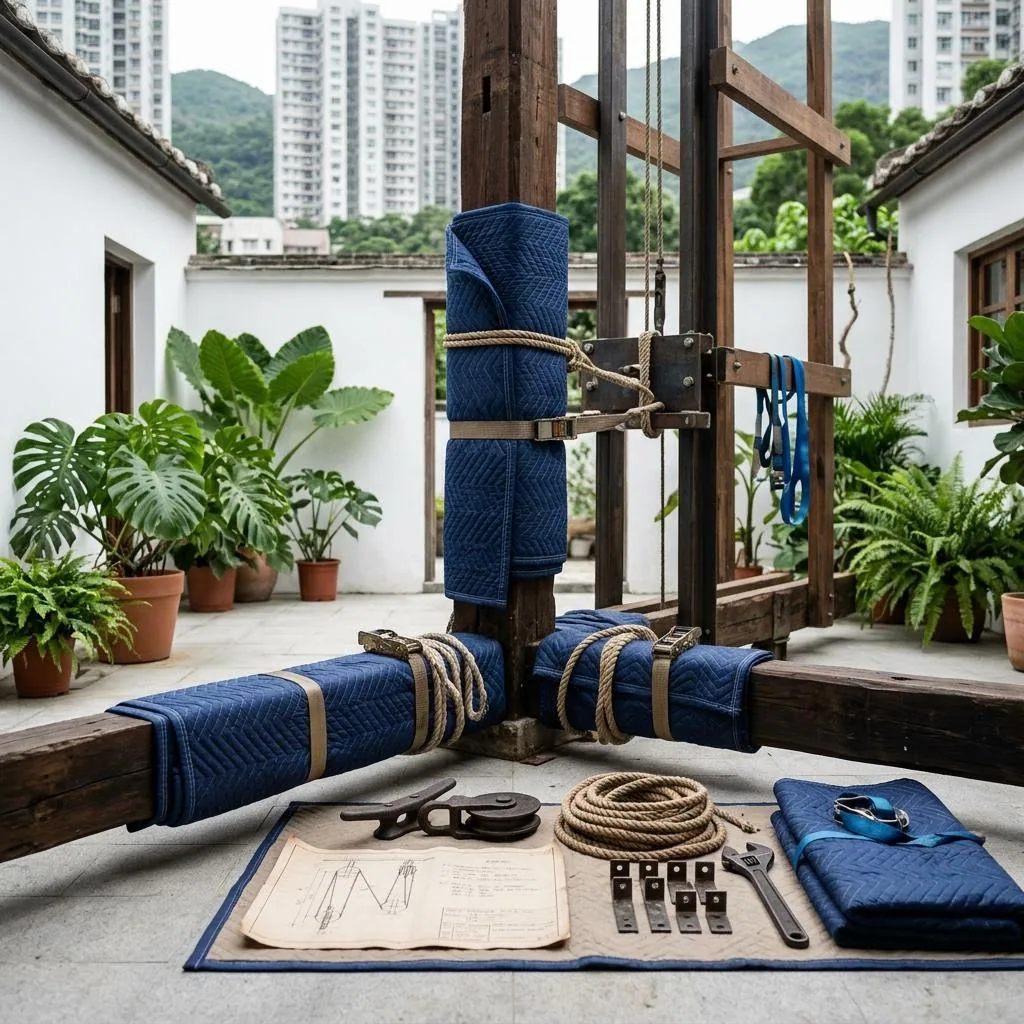
There are historical examples of timber houses being relocated as complete structures, especially in rural areas where residents used rollers, planks, ropes, and coordinated labour. These moves were usually driven by flooding, land changes, or village relocation, and they are not comparable to modern high-rise living.
The useful lesson is not the dramatic image of carrying a house away, but the discipline behind it. People first checked terrain, route, and support points; modern moves also need that same logic, from measuring doorways and lifts to deciding what should be dismantled or packed separately.
When can you move items yourself, and when should you get help
If you only have clothes, books, kitchenware, and a few small storage boxes, self-packing and help from friends may be enough. Once you have solid wood wardrobes, a double mattress, a large refrigerator, a sofa, or a piano, manual lifting becomes much less practical and much riskier.
The main risk of a DIY move is underestimating time and physical effort. It also increases the chance of scratched walls, damaged door frames, or back strain. If an item must be dismantled, carried up stairs, or wrapped with extra protection, it is wiser to ask in advance about the moving method, floor access, and crew size.
How to pack so unpacking stays manageable
Start with items you use least: seasonal clothes, collections, documents, books, and guest-room clutter. Pack room by room, then write the room name, contents, and whether the box is fragile on the outside so you can find things quickly after arrival.
Fragile items should be wrapped separately. Glass, ceramics, frames, and small appliances need cushioning, and boxes should not have too much empty space inside. Keep passports, keys, important papers, medication, chargers, and a few cleaning essentials in a separate bag so they are ready on moving day.
What to watch on moving day
Before loading starts, confirm the building entrance, lift access, parking spot, and any management procedures. If there are stairs, tight corridors, low ceilings, or awkward corners, explain them in advance so nobody discovers the problem only after arriving.
Common mistakes include overfilling boxes with heavy items, failing to mark fragile contents, leaving screws and parts unsorted, or packing documents at the last minute. At the new home, check the box count and visible condition first, then confirm the key furniture and essential items before everything is put away.
Questions worth asking before you confirm a mover
Whether you hire help or ask friends, clarify the scope of work, any dismantling needed, the floor level, parking arrangements, and the expected time. If there are oversized items, no-lift buildings, or fragile valuables, ask for the plan in writing so there is no confusion on the day.
If you want to be extra organised, prepare a moving checklist with the size of each large item, box count, destination address, and contact details on arrival. For service details, quotation questions, or terms, refer directly to Moving house price list and Service terms, and confirm any unclear point before you book.
Frequently Asked Questions
Did ancient people really move whole houses as one piece?
Some timber structures were historically relocated in one piece, but those cases were usually low-rise and structurally suitable for it. Modern Hong Kong homes are very different, so the usual approach is dismantling, packing, and moving in stages.
What should I prepare first before moving?
Sort your belongings, get enough boxes, tape, labels, and protective materials, then check access, lift size, parking, and any building time restrictions. Planning the route first makes packing much easier.
How do I tell whether I can handle the move myself?
Small, light, and simple items can often be handled personally. If there are large furniture pieces, stairs, fragile goods, or many boxes, professional help is worth considering because safety and item protection become more important.
How do I avoid ending up with a chaotic pile of boxes?
Pack by category, label every box with the room name, contents, and fragility, and keep frequently used items separate. Important documents, keys, chargers, and medication should not be buried in large boxes.
What should I check after arriving at the new home?
Compare the delivered items with your list, inspect large furniture and box exteriors for damage, and confirm that essential items are present. If anything looks wrong, note it immediately and raise it at once.


