MOVING TIPS & ADVICE
Pet Moving: Should a Cat Start in the Bathroom After Moving Home? Safe-Space Setup and Adjustment
Key answers
Starting a cat in a bathroom is not a rule, but a practical way to reduce stress with a small, quiet, controllable space. Prepare familiar items, expand access in stages, and watch for escape risks, eating, and litter-box use.
Why Cats Get So Stressed During a Move
Cats are highly sensitive to smells, noise, and changes in space. Moving from a familiar home to a new one means new scents, new furniture placement, different light patterns, and the noise of boxes and movers, so hiding, alertness, poor appetite, or avoiding the litter box are common reactions.
On moving day, if doors stay open and people keep going in and out, a cat may feel the home is unsafe and try to dash out. Instead of letting the cat roam immediately, reducing stimulation and keeping things quiet usually helps the cat settle faster.
When a Bathroom Safe Space Works Best
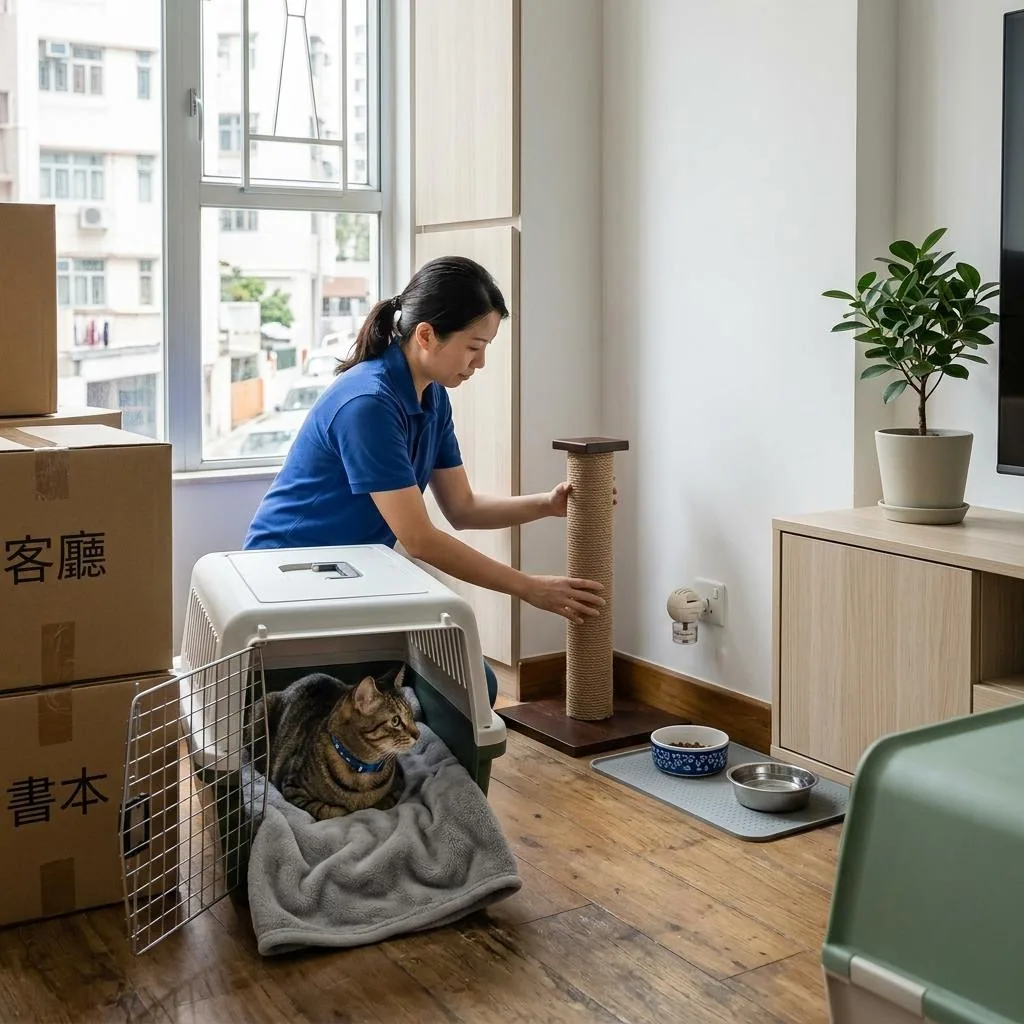
Placing a cat temporarily in a bathroom, spare room, or another quiet enclosed space is not about locking the cat away. It gives the cat a smaller, more predictable area where water, food, a litter box, a bed, and a cloth with familiar scent are already in place.
If the bathroom is too small, hot, poorly ventilated, or contains laundry machines, cleaning products, or slippery floors, it is not a good choice. The key is a quiet space with a closed door, low foot traffic, and no hidden hazards, so the cat can regain confidence first.
Practical Preparation Before and After Arrival
One or two days before the move, gather the litter box, bowls, water, carrier, and a familiar blanket, and keep the cat's routine as normal as possible. After arrival, take the cat straight to the prepared small space before handling bulky furniture and other tasks, so the cat is not wandering through chaos.
Close windows and the main door first, and check screens, balcony edges, and any escape gaps. Also keep new furniture, strong cleaners, and too many visitors away from the cat's area. If the cat starts eating, drinking, and using the litter box, that is usually a sign of acceptance.
Common Mistakes to Avoid
A common mistake is carrying the cat around the whole home right away or pulling the cat out of a hiding place. For a nervous cat, that often increases fear and can make trust harder to rebuild. Giving the cat time to hide is usually better than forcing reassurance.
Another mistake is skipping the safety check. Cats can squeeze into gaps under beds and cabinets and may escape through an unsecured window or door. If electrical work, gas equipment, structural changes, or screen installation is needed, use a qualified professional rather than attempting it yourself.
How to Expand the Cat's Territory Step by Step
Once the cat can sleep, eat, and use the litter box calmly in the small space, open the door and let the cat explore a limited area on its own, such as a hallway or one room. Open only one new area at a time so the cat can map the home through scent and choice.
Keep daily items in fixed places, especially the litter box and food and water bowls. For the first few days, avoid moving furniture repeatedly, using loud audio, or hosting many visitors, because a cat may look calm while stress still builds up.
What to Tell the Movers in Advance
If there is a cat in the home, tell the moving team early so they can work around pet safety, avoid long door openings, reduce loud talk near the cat area, and preferably move large furniture before the cat is brought in. If temporary pet care is needed, arrange the location and pickup time in advance.
You can also ask for written confirmation of the moving route, arrival time, whether the move will be split into stages, and which areas should be kept clear. For a cat, the most important factors are door control, quiet handling, and a calm layout, not fancy promises.
Frequently Asked Questions
Does a cat have to start in the bathroom on moving day?
Not always. If the bathroom is quiet, ventilated, and safe, it can work well as a first-stage space. If it is too small or contains hazards, choose another quiet room. The main goal is to reduce the cat's territory at first.
Is it normal if my cat does not eat or drink after the move?
A short drop in appetite can happen during stress, but if the cat keeps refusing food or water, seems very weak, vomits, or does not toilet at all, contact a vet promptly. Do not force-feed or drag the cat out.
Can I let my cat roam the new home right away?
Usually not. A large, unfamiliar home can make a cat panic or run off. Start with a small space, then expand access gradually once the cat is calmer and more familiar with the smells and layout.
How can I reduce stress for my cat on moving day?
Keep noise and visitors to a minimum, prepare the litter box, water, and familiar items in advance, and make sure windows and doors are secured. If possible, bring the cat in only at the final stage of the move.
What should I explain to the moving company in advance?
Tell them there is a cat so they can control door openings, avoid frightening the pet, and keep pathways clear. If any electrical, gas, structural, or screen-related work is needed, arrange a qualified professional separately.


