MOVING TIPS & ADVICE
How to Plan a Move to Reduce Common Item Damage
Key answers
Most moving damage comes from poor sorting, weak packing, messy stacking, and the wrong handling sequence. With better grouping, padding, labeling, and on-site checks, you can greatly reduce the risk of breakage for ceramics, furniture, and electronics.
Sort by fragility before you pack
Start by dividing items into fragile, heavy, valuable, daily-use, and non-urgent groups. This prevents rushed packing and keeps delicate items such as photo frames, glassware, ceramics, lamps, and electronic accessories separate from books, files, and tools, which are heavier and should not share the same box with fragile goods.
Your packing order should also follow the moving schedule. Pack seldom-used items first, then daily necessities and last-day essentials, so you avoid reopening boxes and repacking them again. If you have especially fragile or valuable items, confirm in writing how they should be labeled, boxed, and handled before moving day.
Use proper cushioning to stop movement inside boxes
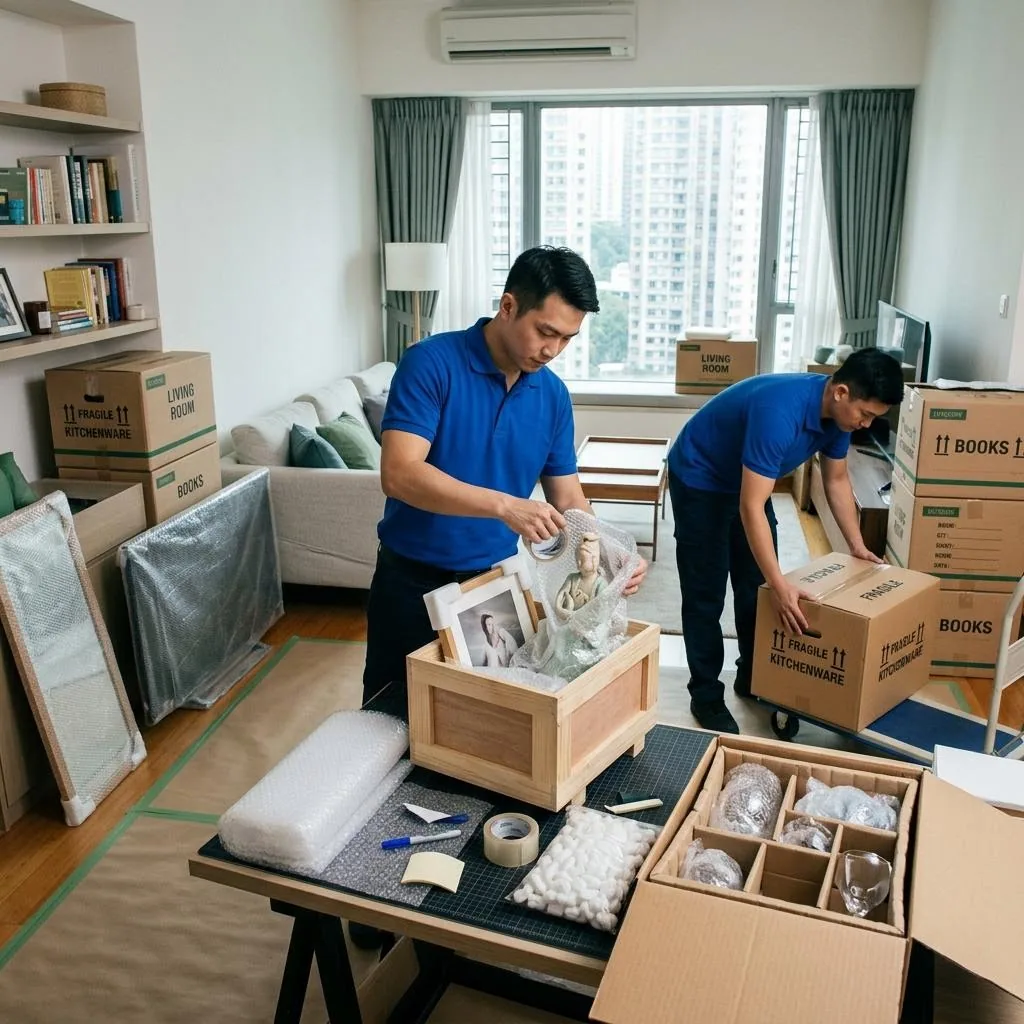
Many items break not from direct impact, but because they move around inside the box. Wrap each fragile item separately, then fill every gap with paper, bubble wrap, towels, or clothing so the contents stay still during transport. Plates, glasses, and small decor pieces are especially vulnerable if there is empty space left inside the box.
Pay attention to weight balance as well. Heavier and steadier items can sit at the bottom, while lighter or fragile items go above them, but never place heavy objects on top of delicate ones. After sealing a box, shake it gently; if you still hear obvious movement, add more padding. Loose packing is more likely to fail on stairs, in lifts, and when boxes are shifted inside the vehicle.
Protect large furniture and appliances at the outside first
Beds, wardrobes, sofas, and dining tables are most likely to be scratched or bumped at corners, door frames, and narrow corridors. If it is safe to dismantle parts, remove shelves, doors, detachable legs, and loose fittings first. Keep screws and hardware in clearly labeled bags so you do not waste time searching for missing parts after the move.
TVs, speakers, and computer monitors need extra surface protection because their casings and screens are vulnerable to pressure, moisture, and vibration. Any work involving plugs, internal wiring, gas, installation, or disconnection should be left to qualified professionals. Do not improvise technical dismantling on moving day, since that can create safety risks and may damage the item further.
Label boxes clearly so stacking and room delivery stay accurate
Use simple, consistent labels on the top and both sides of each box, such as room name, contents category, and whether it is fragile: for example, bedroom/clothes, kitchen/dishes, or living room/books. Color tape or a numbering system can help too, but keep it easy to read. The key is for movers to know at a glance which boxes must not be crushed.
If your new home already has room assignments, match the labels in advance so boxes can be placed directly where they belong and avoid extra handling. For items that need special care, put a clear warning on the box and repeat it verbally at handover. Important documents, valuables, and delicate collectibles should be carried by you instead of being mixed with ordinary cartons.
Check arrival conditions before you unpack
Do not rush to open boxes as soon as you arrive. First count the boxes, inspect their condition, and confirm that large items are intact. If you see dents, tears, moisture, or crushed corners, take photos immediately and raise the issue on site so it is easier to identify when the damage happened.
Also inspect door frames, stair rails, floor edges, and furniture surfaces for scratches, especially along narrow routes. If any packing has come loose, labels are misplaced, or boxes are stacked unsafely, adjust them right away. Small checks at delivery can prevent bigger damage and reduce disputes later.
Common mistakes and when to ask for professional help
The most common mistakes are packing too late, mixing heavy and fragile items, leaving empty space in boxes, skipping labels, and failing to measure doorways and stair turns beforehand. If the route is narrow, the floor is high, the item is unusually large, or the job involves a piano, safe, antique, or other extremely heavy item, you should arrange experienced moving help early.
Before hiring a mover, ask how fragile items are handled, whether you must complete internal packing yourself, whether an item list is needed in advance, and how they manage tight spaces. For high-value or structurally unusual items, ask for written confirmation of the scope and limits of handling, and review the relevant terms. You can start with Moving checklist, then check Moving house price list and Service terms as needed.
Frequently Asked Questions
What should be packed first before moving day?
Start with fragile, valuable, and non-urgent items such as glassware, ceramics, decor, and collectibles, then move on to everyday items. This reduces last-minute confusion and repeated handling.
How should fragile items be boxed for better protection?
Wrap each item separately, fill all gaps with cushioning material, and avoid loose movement inside the box. Do not overpack or place heavy items on delicate ones.
Do all pieces of furniture need to be dismantled?
Not always. Detachable parts such as shelves, glass doors, and removable legs can be removed and protected, but structural, electrical, or installation-related work should be left to qualified professionals.
How can I tell whether something was damaged during the move?
Check box count and condition first, then inspect for dents, scratches, moisture, and breakage on arrival. If you find a problem, photograph it immediately and inform the mover on site.
When should I consider professional moving help?
If you have large, heavy, valuable, narrow-route, or highly fragile items, moving them alone is riskier. It is better to arrange experienced help early and confirm the handling method in advance.


