MOVING TIPS & ADVICE
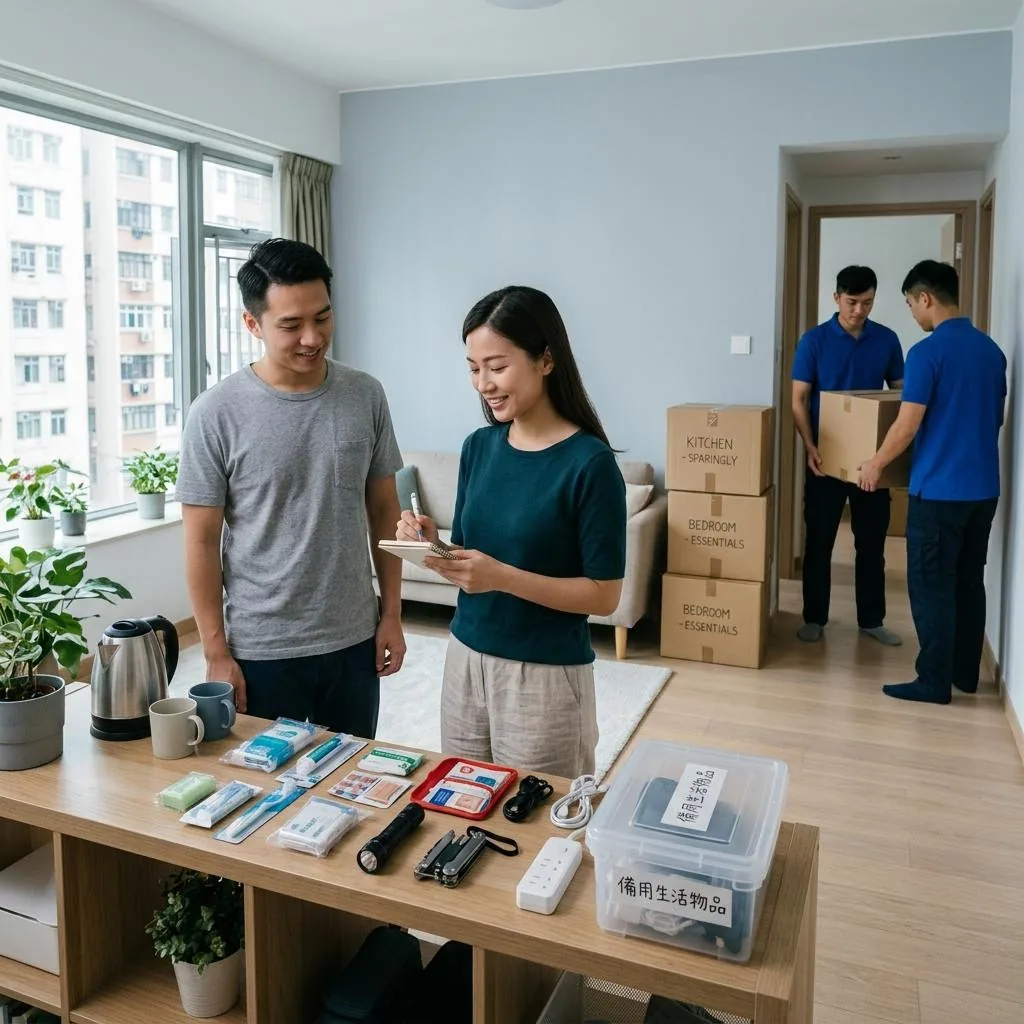
A Practical First-Night Survival List for a New Home
Key answers
You do not need to unpack every box on move-in day. Keep documents, chargers, toiletries, bedding, simple food, and basic medicines in one easy-to-reach kit so the first few days stay manageable.
Take these with you: ID, keys, and valuables
On moving day, the first items to keep close are not the boxes, but the things you may need immediately. Put identity documents, travel documents, the tenancy or sale agreement, keys, transit cards, cash, bank cards, your phone, and chargers into one small bag and keep it with you throughout the move rather than sending it with the main load.
If your new home uses access cards, mailbox keys, or parking remotes, keep those separately as well. Important contracts, medical papers, school documents, and jewellery should also be packed in a clearly identified place, then checked first after arrival before you start opening other boxes.
Open the toiletries kit first
The quickest way to make move-in day harder is to spend half an hour searching through boxes for basic wash items. Toothbrush, toothpaste, towel, face wash, body wash, comb, shaving items, and enough toilet paper should all be packed together in one toiletry bag or clear pouch so they can be used right away.
If anyone in the household needs regular medication, contact lenses supplies, or specific skin-care items, keep those in a separate pouch too. It is also useful to set aside tissue, wet wipes, rubbish bags, and a few cleaning cloths, because the house may not be fully organised when you first arrive.
Make the first night sleepable
What matters most after arrival is having a place to rest. Prepare at least one set of bedsheet, pillow case, and duvet cover, or a sleeping bag if needed, plus one clean set of sleepwear and one or two changes of clothes so you do not have to dig through every box late at night.
Lighting is just as important. If some fixtures are not installed yet, or if you arrive after dark, a rechargeable torch, backup lamp, or headlamp will be very useful. In summer, add mosquito repellent or a small fan; in winter, keep a light blanket nearby so the first night stays comfortable while the rest of the home is being sorted.
Simple food and drinks: handle thirst and hunger first
Moving takes a lot out of people, and many households have no energy left to cook on the first night. Keep bottled water, ready-to-drink beverages, or electrolyte drinks within reach, and set aside a few easy snacks such as biscuits, bread, energy bars, or instant noodles that do not require much preparation.
For utensils, you do not need the full kitchen on day one. Disposable or reusable cups, plates, and cutlery are enough for the first evening. If you plan to cook immediately, make sure the stove, cookware, and cleaning supplies are already in place; any electrical, gas, or appliance work should be handled by a qualified professional.
Basic medicines and first-aid items
Minor cuts, headaches, muscle strain, and allergic reactions can happen during a move, so basic medicines and first-aid items should be packed separately and easy to find. Keep pain relief, plasters, antiseptic supplies, gauze, fever medicine, personal prescription drugs, and any regular ointments in one clear pouch.
If the household includes older people, children, or anyone with special care needs, keep their items together as well, such as a thermometer, eczema care products, spare glasses, or care gloves. Do not mix medicines with cleaning chemicals or food; if any medicine has storage requirements, follow the label or medical advice.
A practical way to unpack: set priorities and finish in stages
The real goal is not to unpack every box in one go, but to make the new home usable for the night. Start with the bedroom, bathroom, drinking water, and charging setup, then open the remaining boxes gradually and keep non-urgent items in one corner so the home does not become cluttered with packaging straight away.
After arrival, check box labels, furniture panels, and fragile items for damage before putting things away. If large furniture needs reassembly, heavy items must go up to upper floors, corridors are tight, or there is any uncertain dismantling work, confirm the method and limits with the mover first; if needed, ask for written confirmation, and refer to Moving checklist, /guides/moving-timeline, and Moving house price list.
Frequently Asked Questions
Which boxes should be opened first after moving in?
Start with documents, keys, chargers, toiletries, bedding, and basic food so you can sleep, wash, and stay connected before dealing with the rest.
Why should I avoid unpacking everything on the first day?
Because moving day is tiring, and it is more practical to make the home livable first rather than forcing every item into place at once.
What should go in a toiletries kit?
Toothbrush, toothpaste, towel, face wash, body wash, toilet paper, wet wipes, rubbish bags, and any regular medicines should be packed together.
What if the lights in the new home are not ready yet?
Keep a rechargeable torch or backup lamp ready. Any electrical or lighting installation should be handled by a qualified professional.
What should I do if a valuable document cannot be found after arrival?
Stop and check calmly against your pre-packed bags and labels before opening more boxes. If it is still missing, confirm the handover details with the mover.


