MOVING TIPS & ADVICE
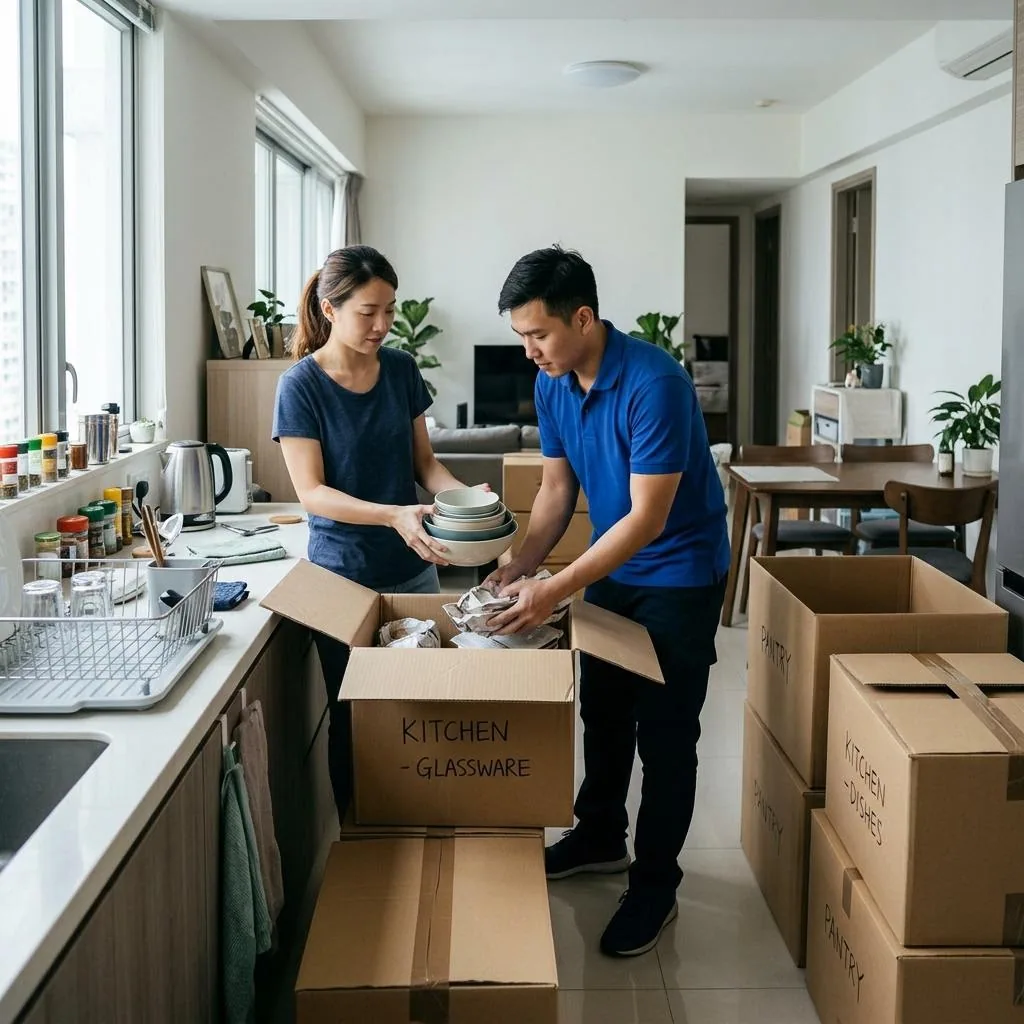
Should You Pack in a Set Order? Start with the Kitchen, but Do It Properly
Key answers
The safest packing order is to start with items you use least, then leave daily essentials for the end. The kitchen is often first, but only if you pack in stages, label clearly, and keep a separate box for must-have items.
Start with a clear packing rule
The biggest packing mistake is sealing up items you still need every day. A better approach is to divide everything into three groups: must-use-now items, items you can live without for a while, and things that can be packed away early. Then pack in that order.
As a rule, start with things that do not affect daily life, such as spare household items, seasonal clothes, collectibles and little-used kitchenware. Keep documents, medicine, chargers and toiletries aside until the end, and place them in a separate hand-carry box for moving day.
Why the kitchen is often packed first
The kitchen usually takes the most time because it contains many different item types, from fragile cups to awkward pans. Packing the least-used items first, such as baking tools, guest tableware, extra containers and dry goods, helps clear cabinet space early and reduces last-minute pressure.
That does not mean every kitchen item should be boxed immediately. Keep a small set of essentials for cooking and eating until the last one or two days, such as one pan, one set of dishes and basic seasonings. This avoids ending up with no practical way to eat before the move.
Pack from low-use to high-use items
Outside the kitchen, the same rule applies elsewhere in the home. Start with books, display items, guest bedding, off-season clothes and other things that are not used every day. Packing these first frees up space and makes it easier to spot what still needs sorting.
If you begin with daily-use drawers, laundry essentials or work items, you will keep reopening boxes and losing track of what is where. A room-by-room method works better: clear one corner, label each box by room and contents, and mark whether it should be opened first after arrival.
Treat fragile items and small appliances differently
Kitchenware such as plates, glassware, ceramics and wine glasses should not be packed the same way as small appliances. Fragile items should be wrapped individually, with empty space filled so they do not knock against each other during transport. Small appliances should be emptied, dried and packed with their loose parts secured.
If you have a large number of delicate items or anything valuable and fragile, ask the mover in advance what packing service is available, what type of boxes will be used, how fragile boxes are marked, and whether you need to remove accessories yourself. Clear instructions are more useful than vague reminders like be careful.
What to finish before you seal the boxes
Before sealing boxes, sort food and household supplies. Use up what can be eaten, separate items that may spoil, and set aside anything you are not taking with you for disposal or donation. Medicines, cleaning products and sharp items should be kept apart and handled according to your building and moving arrangements.
Prepare labels, tape, a marker and a simple inventory list. Write the room, contents and whether the box should be opened first or later. Also leave a clear drop-off area at the new home entrance so boxes do not have to be moved around repeatedly on arrival.
When to ask a moving team for help
If you have a large kitchen, many boxes, stairs, or large furniture moving at the same time, packing on your own can quickly become disorganised. In that case, it may be worth booking a moving team early and confirming in writing what they can help with, such as moving, general packing support and transport arrangements.
Any electrical connection work, gas line work, structural changes, medical equipment, data recovery or other specialist technical tasks should be handled by qualified professionals, not as a DIY job. Before booking, ask for written confirmation of arrival time, packing responsibilities, materials you should prepare and how special items should be declared.
Frequently Asked Questions
What should I pack first when moving house?
Start with items you do not use every day, such as seasonal clothing, books, decorations and spare household goods. Keep essentials until the end and pack them separately.
Should the kitchen really be packed first?
Usually yes, because it has many mixed and fragile items. Begin with the least-used kitchenware, but keep a small set of daily essentials until the final stage.
Can fragile dishes just go into one large box?
Not safely. Fragile items should be wrapped individually, with empty spaces filled so they do not move around and break during transport.
How late can I keep packing before moving day?
You can keep packing until the end, but only for non-essential items. Save one hand-carry box for daily necessities, documents and valuables you need immediately.
What should I ask a mover about packing support?
Ask whether they provide packing help, what you need to prepare yourself, how fragile items are handled, and whether special items must be declared in writing beforehand.


