MOVING TIPS & ADVICE
How to Sort Out Old Belongings Before a Move: Practical Ways to Cut Load and Keep Memories
Key answers
Decluttering before a move reduces boxes, saves packing time, and makes it easier to settle into a new home. Learn how to sort, decide, preserve memories, and pack without regretting what you let go.
Set the goal first, then sort
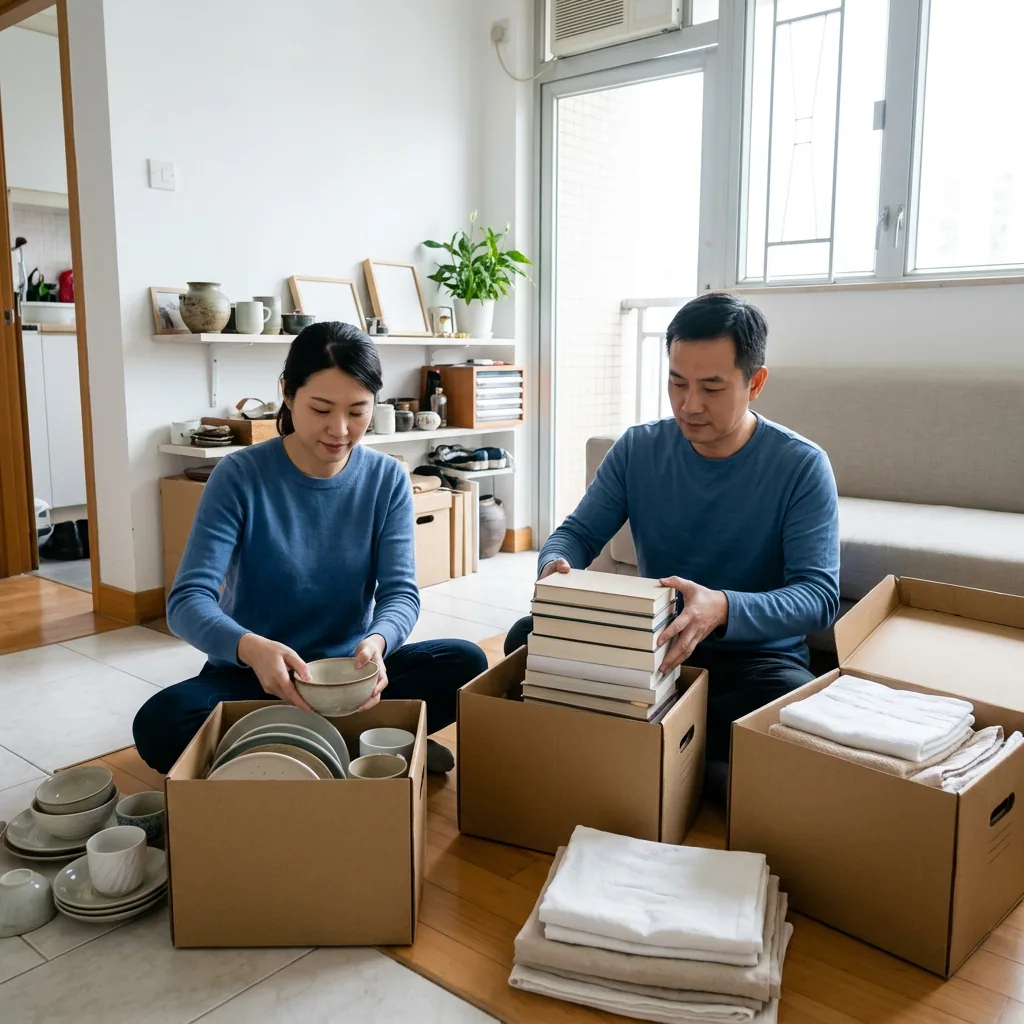
The hardest part of pre-move decluttering is starting without a plan. Begin by deciding what must go with you, what can be given away, and what should be discarded, then work one room at a time. Closets, storage cabinets, and bookshelves are often the easiest places to start because they collect clutter quickly.
A simple four-way split helps: keep, pass on, discard, and undecided. If an item is still useful but may not fit the new home, place it in the undecided pile for now instead of letting it slow down the whole move. For electrical items, gas appliances, medical devices, or anything needing disassembly, consult a qualified professional first and do not handle it yourself.
Handle memory items without forcing a harsh choice
Photo albums, childhood crafts, travel souvenirs, and old letters are often not the largest items, but they are the hardest to decide on. Rather than forcing yourself to throw them out immediately, ask three questions: does it still have meaning, can it be kept in a smaller form, and is it worth displaying in the new home? That usually leads to choices you are less likely to regret.
If you want to keep the memory but not the bulk, photograph the item and keep only a few representative pieces. If you plan to pass items to relatives or a charity, confirm that they are actually wanted and are clean, complete, and ready to use. Do not confuse preserving memories with moving everything.
Use limits to make decisions easier
A practical method is to set a limit for each category, such as keeping only the clothes you wear each season, the kitchen tools you use regularly, and the books you still read. Once you know the new home has limited space, it becomes easier to decide what is worth keeping and what is not.
You can also set a timeline for clearing items. Start with bulky, dusty, or long-unused belongings, then move to daily essentials. If you need time to sell, donate, or arrange handovers, build in a few spare days so you are not packing in a rush right before moving day. In the final round, keep only what you can use immediately in the new home.
Reduce first so packing stays organized
Many people think moving is tiring because of lifting, but the real strain often comes from bringing too much. Reducing volume first makes packing far more manageable. Pack by room and by use, and do not mix clothes, loose items, and documents in the same box. Fragile items should be wrapped separately, and empty space inside boxes should be filled with paper or soft fabric to reduce movement.
Write on each box what is inside, which room it belongs to, and whether it is fragile or needs to be opened first. If you already know where items should go in the new home, label boxes with the destination room as well. Before sealing, check whether the weight is reasonable. Overly heavy boxes are harder and riskier to move, and they slow down unpacking after arrival.
Settle basic living needs first in the new home
After arriving, do not rush to open every box at once. Start with the essentials: bedding, toiletries, daily clothes, basic household items, and cleaning tools. Establish a usable living zone first, then move on to decor and non-essential items. That makes it easier to keep the new home tidy from day one.
Also check the box count, furniture, and important documents against your list to make sure nothing is missing, damaged, or placed in the wrong room. If some items do not suit the new layout, set them aside rather than forcing them into place. The first week or two after a move is a good time to refine your decisions and send out anything you really do not need.
When to ask a moving team for help
If you have a large volume of belongings, narrow stair access, a tight deadline, or want to finish sorting and packing before moving day, an experienced moving team can save time and effort. Ask in advance whether they can follow your packing order, place boxes by room on arrival, and confirm the service scope in writing to avoid misunderstandings.
When choosing moving help, do not rely on verbal promises alone. Look for whether they are willing to work with your sorting schedule. If the job involves large furniture disassembly, appliance connection, gas work, or structural changes, those tasks should be handled by qualified professionals, not general movers. For pricing and terms, see Moving house price list and Service terms.
Frequently Asked Questions
Do I have to declutter before moving?
Not necessarily, but sorting and reducing first is usually much easier. At minimum, separate what to keep, pass on, discard, and review later so you do not move clutter into the new home.
How should I decide on sentimental items?
Photograph them first, then ask whether they still matter, can be kept in a smaller form, or deserve a place in the new home. If you are unsure, leave them in an undecided box and revisit them after the move.
How can I avoid ending up with too many boxes?
Set space limits before packing, sort by room, and reduce items first. Clear labels on every box also help prevent unnecessary things from being packed and carried over by default.
What should I check before giving old items away?
Make sure they are clean, complete, and usable, then confirm the recipient actually wants them. Do not donate damaged, outdated, or unclean items as if they were ready for immediate use.
When is it worth asking a moving team to help with sorting?
If you have many items, limited time, narrow access, or need room-by-room packing, moving help can be worthwhile. For any specialist disassembly or technical work, use qualified professionals instead.


