MOVING TIPS & ADVICE
Village House Moving Guide: Narrow Stairs, Slopes, and Furniture Handling
Key answers
Village house moves in Hong Kong often involve narrow stairs, uneven paths, and awkward corners. This guide covers measuring, packing, on-site coordination, checks on arrival, and common mistakes so you can plan a smoother move.
Why village house moves need extra planning
In Hong Kong, village houses often come with narrow staircases, tight corners, slopes, or uneven ground. Large items such as sofas, wardrobes, and bed frames can easily scratch walls, railings, or furniture surfaces if they are forced through without measuring first. If the entrance, corridor, or stair landing has not been checked in advance, the move may stall on the day and require sudden dismantling or a new route.
Before moving, confirm the floor level, door width, stair turns, and whether side or rear access can be used. Also check loading space, parking access, and any clear route that must be kept open. If an item is oversized or structurally complex, tell the mover in advance and request written confirmation of the planned handling method so there is no last-minute dispute.
Measurements and clearing before moving day
Measure three things first: the entrances at both addresses, the staircase, and the main furniture dimensions, especially mattresses, fridges, wardrobes, dining tables, and glass items. If a lift only serves part of the route, say so clearly, because village house moves often involve several flights of stairs and the route can change the manpower and time needed.
Before the crew arrives, clear the walkway, remove shoes, rugs, plants, loose items, and fragile decor, and empty drawers, cabinets, and shelves. If children, pets, or older residents live in the home, arrange for them to stay out of the moving path. Any electrical, gas, or fixed-installation work should be handled by a qualified professional first; do not attempt risky DIY disconnection or removal.
Packing, dismantling, and protection
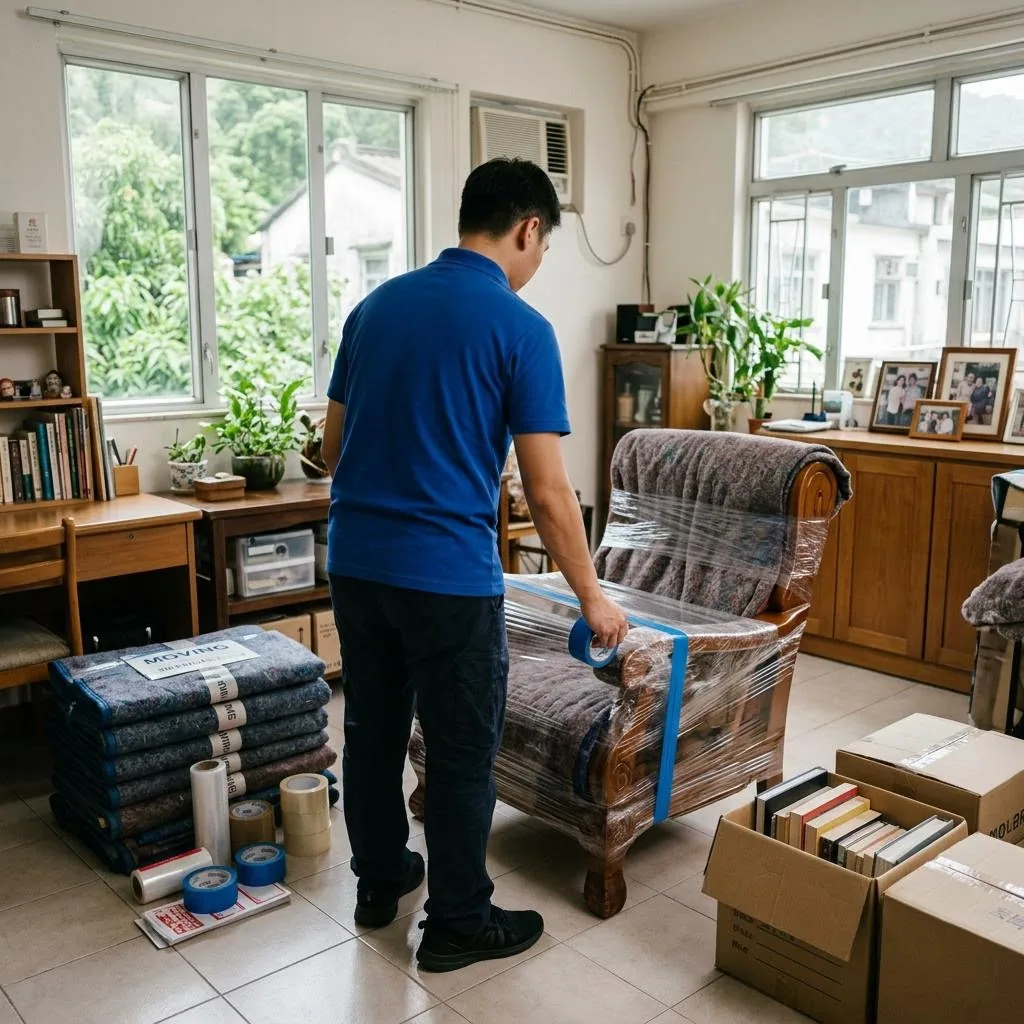
The main risks in a village house move are damage to door frames, wall corners, and stair rails. Packing is not only for the goods themselves; it also protects the home. Fragile items should be boxed, marked upright, and separated from heavy pieces. Wooden surfaces, glass doors, and painted finishes should be cushioned first and then secured with wrap or blankets to prevent impact during transport.
If furniture must be dismantled, keep screws, fittings, shelves, and small parts in labelled bags. Take photos before dismantling so reassembly is easier at the new home. However, if the item involves wiring, built-in parts, gas lines, or structural components, leave it to the appropriate technician rather than trying to remove it yourself.
How to cooperate during the move
On moving day, it helps to have one person who knows the items and the layout available for communication. That person can point out what should go first, what must be dismantled, and what cannot be tilted or turned over. If the village house has uneven ground, slippery outdoor areas, or poor lighting at night, tell the movers clearly so they can avoid sudden turns or lifting heavy items in unsafe conditions.
In tight spaces, sequence matters more than speed. Large furniture should be test-fitted before being turned slowly into place. If something will not pass through the doorway or stairwell, stop and reassess immediately instead of forcing it through. If the mover suggests dismantling, splitting the load, or taking a different route, make sure the plan is understood clearly and ask for the special arrangement in writing.
What to check after arrival
Once you arrive, inspect cartons, glass surfaces, corners, and feet for visible damage, then compare the items against your checklist before opening everything. Put large furniture in position first, then arrange small appliances and loose items, while keeping the exit route clear so nothing gets boxed in or struck again.
If you find torn packaging, cracks, or missing parts, take photos and report them immediately, while keeping the packaging and receipts for reference. If any reassembly, connection, or function test is needed, have the right professional confirm safety first. Do not rush to power on, connect gas, or load weight before the item has been properly checked.
What to ask a mover before booking
When asking about a village house move, do not only ask about the route and manpower. Also ask whether stair access needs special arrangement, whether an on-site inspection is available, and what happens if the stairs are too narrow for direct carrying. You can also ask about dismantling, packing, or disposal of moving waste, but every scope should be confirmed in writing.
Many moving problems happen at the last minute: the doorway was not measured, valuable items were not declared, parking was not arranged, or the old home was not fully cleared. Prepare a checklist, keep photo records, and verify each item one by one. For pricing details, terms, or a written quote, please refer to Moving house price list and Service terms first, then request written confirmation as needed.
Frequently Asked Questions
What is the biggest challenge in a village house move?
The most common problems are narrow stairs, tight turns, slopes, and difficulty moving large furniture through the route. Measuring first and confirming the path in advance usually reduces last-minute changes.
Do I need to dismantle all furniture before moving?
Not always. It depends on the size of the item, the stair space, and the doorway width. For glass, built-in, or structurally complex items, check with the mover first before deciding.
How should I prepare if the stairs are very narrow?
Clear the walkway, remove loose items, and measure the tightest stair turn and landing. If the mover suggests a split-load or dismantled move, ask them to explain the arrangement and responsibility clearly.
What if the furniture cannot fit on moving day?
Stop forcing it immediately and reassess the route, the dimensions, or whether dismantling is needed. If the plan changes, confirm it on the spot and keep a written record to avoid misunderstanding later.
How can I reduce damage during a village house move?
Pack items properly, clear the route, label fragile goods, keep photo records, and inspect everything on arrival. Electrical, gas, medical, or other specialist work should be handled by qualified professionals.


