MOVING TIPS & ADVICE
Using a Move to Reset Space and Ease Urban Stress
Key answers
A move is more than shifting furniture. It is a chance to clear clutter, plan better flow, and set up a calmer home that is easier to live in and easier to unwind in.
Start by decluttering before the move
The most useful first step is not packing, but sorting. Divide everything into keep, give away, sell, recycle, and discard so you can see what you actually use and need. That keeps years of clutter from following you into the new home and filling the space from day one.
Work room by room, and handle only one drawer or cabinet at a time. For items you hesitate over, use clear rules such as unused within a year, damaged, duplicated, or no longer fitting the new layout. For bulky furniture, appliances, or heavy items, measure both the item and the access path first so you do not discover a blocking issue on moving day.
Use light, colour, and plants to rebuild comfort
The way a new home is set up can shape how you feel after moving in. If possible, place the most-used areas near windows or natural light, then arrange items by frequency of use so the home feels brighter and easier to read at a glance. A calm, consistent colour palette often reduces visual clutter and makes later furnishing easier.
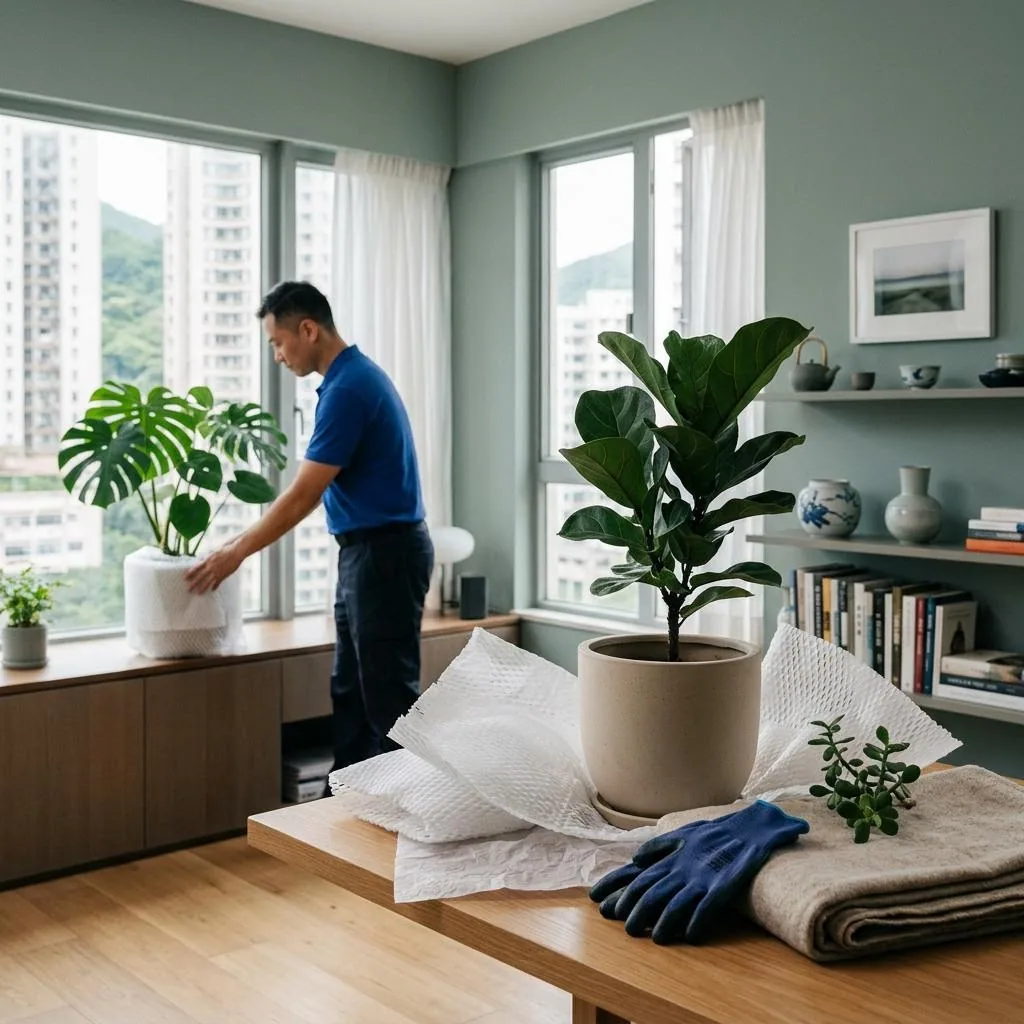
A few easy-care plants, softer textiles, or carefully chosen lighting can improve the mood, but avoid filling the home with decorations at once. Hong Kong homes are often compact, so the goal is not to add more things, but to preserve breathing room. Keep corridors, doors, and windows clear; otherwise the home will feel tighter, not calmer.
Reserve one quiet corner for recovery
After the move, try to keep one corner strictly for rest. It does not need to be large; a chair, a lamp, a book shelf, or a small side table can be enough. The point is to create a place where you can step away from work messages, chores, and noise for a while.
If you share the home with others, agree in advance how that corner will be used so it does not turn into temporary storage. A dedicated rest area helps separate work, housework, and downtime. If space is limited, use a folding chair or a movable screen to define the area instead of forcing in oversized furniture.
Use traffic flow to reduce daily friction
A home works better when the daily path is clear. As you settle in, think through the routes you use most often, such as coming home, leaving home, cooking, laundry, and bedtime cleanup. Then place related items where they are easiest to reach, so you spend less time bending, detouring, and searching.
Cleaning supplies can be grouped together, daily clothing should stay within easy reach, and keys or transit cards should have a fixed landing spot. If the new home still feels messy, the problem is often not too many items but unclear categories, poor placement, or a storage system that does not match your habits. Adjust the layout first before buying more boxes.
Practical preparation before and after moving day
To keep the move smoother, pack documents, valuables, medication, chargers, daily essentials, and a change of clothes separately, and label each box with its room and contents. Fragile items should be wrapped on their own, boxes should not be overfilled, and items with different purposes should not be mixed together, or the unpacking process will become much harder.
On moving day, confirm the building entrance, parking, lift use, management rules, and handover timing for both addresses. If there are narrow stairs, corners, long corridors, or an older building without a lift, tell the mover in advance. Electrical work, gas work, installation, internet setup, and other specialist technical tasks should be handled by qualified professionals, not improvised on the day.
How to choose the right moving help
When comparing movers, do not rely on slogans alone. Ask whether they can work around your building layout, floor level, item types, and time limits, and ask for written confirmation of the scope, responsibilities, and charges. If you have large furniture, stairs, a village house, a tenement building, or storage needs, state these clearly so the mover can assess the job properly.
Good moving support should be clear, responsive, and organised, not just fast. Before booking, prepare an item list, photos, and measurements, then check box count, access route, and placement needs again before moving day. For quotes, terms, and service details, use written confirmation and refer to Online Quote, Moving house price list, and Service terms.
Frequently Asked Questions
What should I do first before moving if I want less stress?
Sort your belongings before you pack them. Separating items into keep, give away, sell, recycle, and discard makes the process clearer and prevents clutter from moving straight into the new home.
How can I make a small Hong Kong flat feel less cramped after moving?
Prioritise clear walkways, fewer large decorations, and only the essentials at first. Keep light, colour, and layout simple so the space feels open and easy to use.
How do I create a quiet rest corner in a new home?
Choose one low-disruption spot and keep it for rest only. A chair, a lamp, and a small table are often enough. Avoid turning it into a storage area.
What should not be handled as a DIY moving task?
Electrical, gas, structural, internet, medical, and other specialist technical work should be left to qualified professionals. Do not improvise if the task needs certification or specialist handling.
What should I ask a mover before confirming the booking?
Ask about access conditions, floor level, lift use, parking, timing, item type, and service scope. Request written confirmation of the quote, responsibilities, and terms before the move.


