MOVING TIPS & ADVICE
Can You Use Second-hand Boxes? How to Check Old Boxes for Hygiene and Strength
Key answers
Used boxes can be practical, but only if they are dry, clean, and structurally sound. Check the source, box bottom, corners, and weight limits before packing books, clothes, or storage items.
Start with the source: not every used box is fit for your home
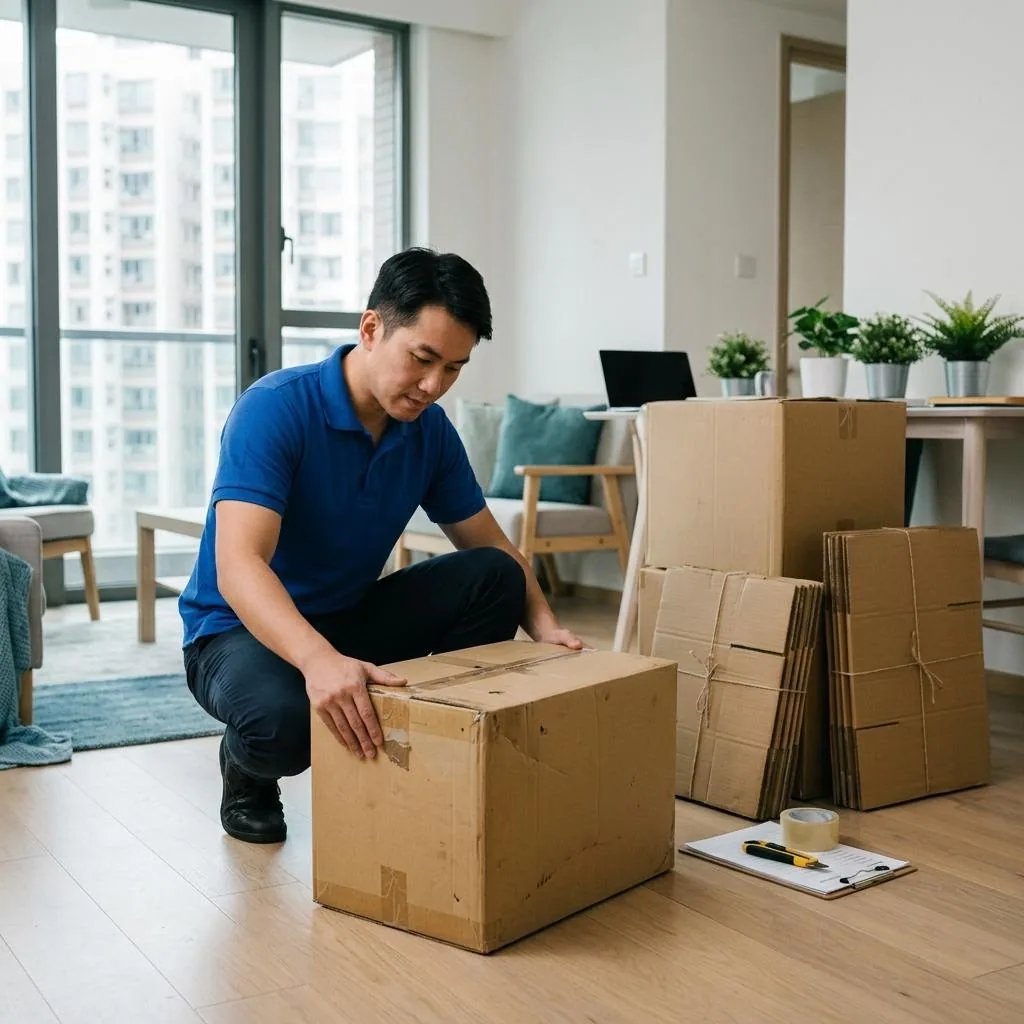
In a Hong Kong move, flat change, or storage trip, second-hand boxes can save effort, but only if you first judge where they came from and how they were stored. Boxes kept near damp corners, back lanes, food areas, or dirty storage spots should not be used for clothes, bedding, or dry goods.
Before using any old box, look at the surface, smell it, and feel the paperboard. If it looks grey, has ripples from moisture, or sheds dust when folded, the fibres may already be weakened. A box can look intact and still fail during carrying or stacking.
Check hygiene and dryness: visible and hidden risks
The main risk with used boxes is not only tearing, but also dust, mould spores, and possible insect residue that you may not see at first glance. For baby items, underwear, documents, or food packaging, a new box is the safer choice. If you must reuse a box, make sure it is fully dry and wipe the inside with a clean dry cloth, then leave it overnight to see whether any dampness returns.
Do not reuse boxes that once held cleaning products, chemicals, seafood, cooked food, or anything with a strong smell. Even if the outside looks fine, stubborn odour and stains can transfer into a new home or storage unit. If the box was caught in rain or stored in a wet area, discard it.
Weight check: size alone does not tell you the strength
Whether a box can carry weight depends on more than size. Board thickness, flute layers, and the condition of the base matter more. Double-wall or thicker boxes are generally better for stacking and heavier items; single-wall boxes, soft board, or corners that are already worn thin are much easier to deform.
You can test a box by pressing the corners and the middle of the base gently. If it feels loose, sinks, or has a damp soft spot, it should not be used for heavy contents. A box with repeated old tape on the bottom or a wrinkled seal may already have been under stress, so keep it for light miscellaneous items only.
Pack by item type: heavy items in small boxes, light items in large boxes
The most practical packing method is to separate items by weight before choosing the box size. Books, files, photo albums, and hand tools should go into smaller, sturdier boxes so one box does not become too heavy to carry or put stress on the base. This also reduces the risk of injury during lifting.
Bulky but light items such as quilts, pillows, down jackets, winter clothes, and cushions can go into larger boxes to make better use of space. If there is empty space inside, fill it with clean paper or clothing so items do not shift in transit. Avoid placing printed newspaper directly against light-colored fabrics because ink can stain.
Reinforce and place properly before moving or storage
Even usable old boxes should be reinforced before transport. Tape the bottom both lengthwise and crosswise, and add extra sealing for heavier boxes so the load is spread more evenly. If the boxes will go into storage, keep them level and stable, with heavier boxes below lighter ones to prevent long-term deformation.
When carrying boxes, use the proper grip and stacking method. Do not lift a heavy old box only by the edge, especially if the paperboard has already softened. Keep boxes away from standing water, damp walls, or air-conditioning drip areas. If the destination is humid, you may use dry packs or moisture absorbers, but do not place them where they can be crushed.
When you have a lot to pack or valuable items, ask first
If you are moving many items, working under time pressure, or packing fragile and valuable belongings of different sizes, relying only on random used boxes may not be enough. A better approach is to list the items first, decide which ones need new boxes, and then ask the mover about packing arrangements, on-site handling, and any extra materials required.
If the move involves appliances, gas-related items, built-in fixtures, medical equipment, structural dismantling, or other specialist work, use qualified professionals instead of DIY. For pricing, service scope, and terms, request written confirmation and check the relevant pages before you decide.
Frequently Asked Questions
Can I use second-hand boxes at all?
Yes, if they are dry, clean, structurally sound, and suitable for what you are packing. For underwear, documents, or food packaging, a new box is still the safer option.
How can I tell if a used box can handle heavy items?
Look for double-wall construction or thicker board, then check the corners and bottom for soft spots, sinking, or wear. If the box feels weak, do not use it for books or tools.
Is a slight smell from an old box acceptable?
A mild paper smell may be acceptable if the box is fully dry, but mould, oil, chemical, or rain damage are warning signs. Do not reuse boxes with strong or lingering odours.
How should I pack heavy and light items?
Put heavy items in smaller boxes and light bulky items in larger ones. Keep each box within a manageable weight, and fill voids so contents do not shift during transport.
What should I do if I have too many boxes and little time?
Sort items by weight and purpose first, then decide which boxes must be new and which can be reused. If time is still tight, ask the mover early about packing support and request written confirmation of the needed materials.


