MOVING TIPS & ADVICE
Hong Kong Moving Service Scope: Home, Village House, Tenement, Office, Packing and Cleaning
Key answers
Learn what a moving company may cover in Hong Kong, including homes, village houses, tenement buildings, offices, packing and cleaning, plus the key limits to confirm before booking.
How moving service scope is usually divided
Moving service scope is more than simply transporting items from one address to another. It also depends on the type of items, the building layout, floor level, access route, parking arrangement, and whether dismantling or special packing is needed. In Hong Kong, homes, tenement buildings, village houses, office towers and schools all have different constraints, so it is important to describe the actual situation clearly before booking.
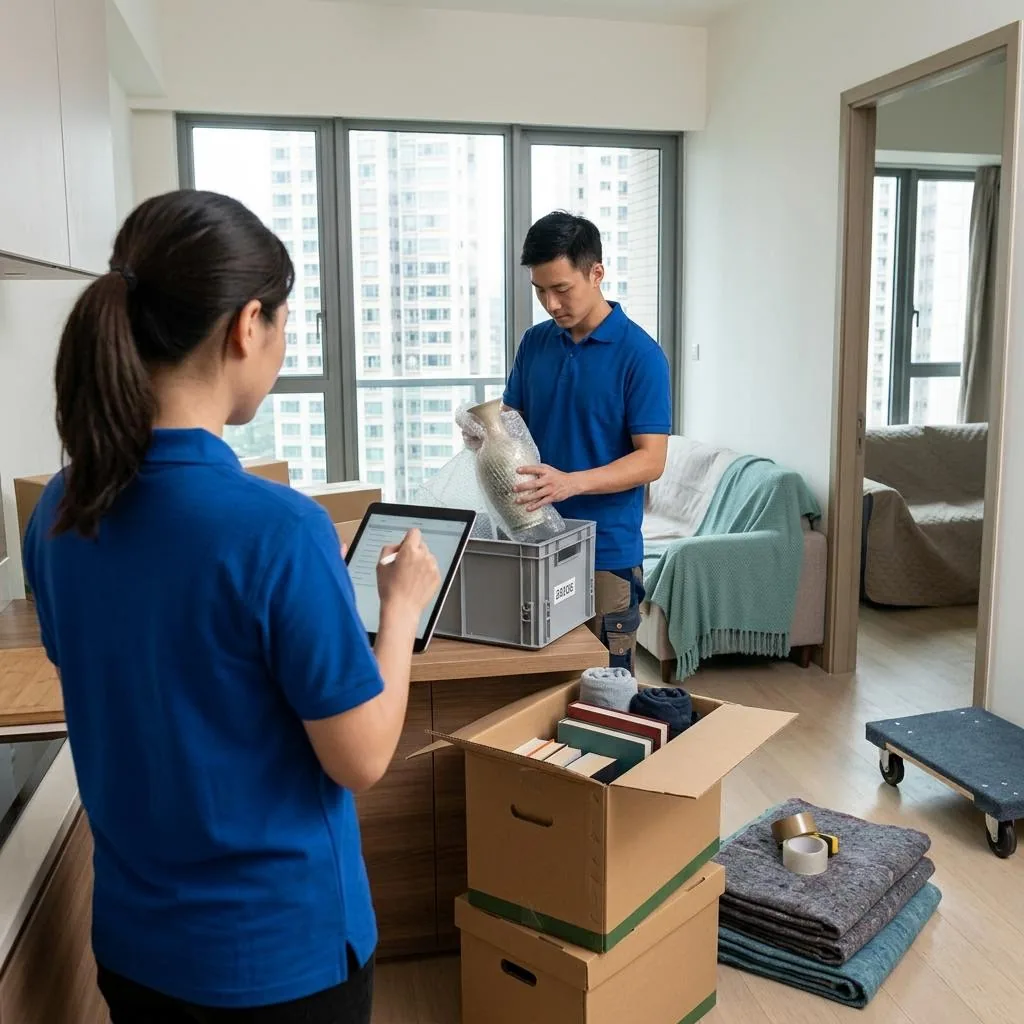
A more complete moving arrangement usually includes an on-site check, route planning, packing and labeling, lift or stair arrangements, loading order, and placement after delivery. If you have bulky furniture, fragile items or large appliances, ask in advance whether they need extra handling and request written confirmation of the service scope so there are no surprises on moving day.
Home moving: estates, standalone buildings and move-in
Home moving is usually about transferring everyday belongings, furniture and appliances from the old place to the new one while reducing disruption to family routines. If there are babies, elderly family members or pets, keep essentials such as medication, documents and chargers in a separate box so they are easy to find immediately after the move.
Before move-in, measure the doorway, corridor, lift and room corners, especially for large items such as bed frames, sofas, wardrobes and refrigerators. If the new home is still undergoing cleaning or painting, arrange a move-in clean first and confirm in advance whether any furniture must be dismantled so installation can fit the new layout without last-minute changes.
What to watch for in village houses and tenement buildings
The main challenges in village houses and tenement buildings are usually stairs, narrow corridors, tight turns, rear entrances or alley access, and parking spots that are far from the loading point. These locations are not always suitable for a standard residential setup, so you should clearly state the floor level, lift availability, staircase width, slopes and access points when asking for a quotation.
For large furniture, long items or heavy objects, confirm whether dismantling is needed and whether the item can be reassembled properly at the new address. A common mistake is giving only the address without explaining the real access route or parking distance, which can lead to major delays. Photos or a simple sketch are often the most useful way to help the mover plan accurately.
Commercial moving: offices, shops and operating spaces
The key goal of commercial moving is to keep downtime as low as possible. Offices, shops, food businesses, schools and shared workspaces often need to fit the move around opening hours, peak periods, document privacy and equipment categories, so it helps to list which items must go first and which can be handled later.
Before a commercial move, sort documents, inventory, desks, chairs, display racks and departmental materials, and label each box clearly with its destination and placement. If the move involves servers, network devices, electrical work, gas lines, medical equipment or other specialist systems, those tasks should be handled by qualified professionals. The moving company should only handle transport and general protection, not specialist technical work.
Packing, boxing and pre-move preparation
Good packing directly affects moving efficiency and item safety. Glassware, dishes, books, clothes, toys and small loose items should be boxed by room or purpose, with simple labels showing contents, destination room and whether the box is fragile. Keep one separate essentials box for items you need right away after arriving at the new home.
In the days before the move, clear out unnecessary clutter, old newspapers, broken furniture and items you no longer want so the load is smaller and easier to manage. If you need boxes, wardrobe cartons or protective materials, confirm the quantity and size early. If you pack yourself, do not overload large boxes, and do not mix liquids, sharp objects and loose small parts together, as this increases the risk of damage and missing items.
Cleaning, arrival checks and common problems
After moving, many households still need a handover clean, move-in clean or a light tidy-up. It is best to confirm these arrangements separately from the move itself so the day is not delayed by unfinished cleaning, key handover or return of the unit. If the property has post-renovation dust, paint smell or floor stains, describe the condition clearly so the arrangement fits the real situation.
When the team arrives, first check the box count, furniture condition, list of valuables and whether the delivery location is correct, then note any visible damage immediately. Common problems include narrow doorways, tight stairs, distant parking, not mentioning that there is no lift, boxes without labels, and valuables not separated in advance. Ask what limits apply, whether extra hands are needed, and request written confirmation for any important arrangement.
Frequently Asked Questions
What information should I prepare before booking a home move?
Prepare the old and new addresses, floor levels, lift availability, parking situation, moving date and time, key furniture dimensions, and any items that need dismantling or special packing.
Why must village houses and tenement buildings be described in detail?
Because these buildings often have stairs, narrow corridors, tight corners or long walking distances from the vehicle, and an address alone is usually not enough for proper planning.
Which tasks in a commercial move should be handled by specialists?
Tasks involving electricity, gas, medical equipment, structural changes, network systems or data recovery should be handled by qualified professionals. The mover should only cover transport and general protection.
What is the most common packing mistake?
The most common mistakes are overloading large boxes, failing to separate fragile items, mixing liquids with other items, and not labeling the contents or destination clearly.
What should I check first when the movers arrive?
Check the box count, furniture condition, list of valuables, delivery location and any visible damage first, then raise questions immediately so issues can be noted on the spot.


