MOVING TIPS & ADVICE
A Weekend Moving Timeline for Hong Kong Office Workers
Key answers
With only Saturday and Sunday to move, success depends on timing, priorities, and clear handoff points. This guide breaks the move into Friday night, Saturday, and Sunday, with practical steps for packing, unloading, checks, and common mistakes to avoid.
What to do on Friday night to reduce moving risk
The smoothness of a weekend move is often decided on Friday night, not on Saturday morning. Pack a carry-on bag with ID, tenancy or handover papers, keys, chargers, a few clothes, basic toiletries, and any regular medication so you do not waste time searching during the move. Write down the new address, contact person, floor, and loading or parking details, then confirm them with the mover.
Do a final pre-move check as well: photograph utility meter readings, note any existing marks on walls or floors, and confirm lift booking or moving time windows at both buildings. If large furniture needs disassembly, ask in advance whether you need to empty the contents first. Any electrical, gas, internet, or other specialist work should be handled by qualified professionals, not rushed DIY.
Saturday morning: handle the heaviest and hardest items first
Saturday should be reserved for the biggest and most time-consuming items while your energy is highest. Sort boxes by room first, then mark them as heavy, fragile, or immediate-use so they can be loaded without last-minute decisions. If the moving team will handle wrapping or disassembly, clear tabletops, cabinet contents, and under-bed clutter beforehand so they can start immediately.
A common mistake is mixing small items with heavy ones, or blocking corridors and doorways with poorly placed boxes. If lift time is limited, keep the route clear and stage boxes near the exit in the order they will be taken out. If you are following the truck yourself, keep a separate personal bag for documents, medication, and chargers so they are not buried in the load.
Saturday afternoon: place large items first, then start settling the new home
When the truck arrives, focus on placement before unpacking. Put the bed, wardrobe, sofa, and dining table into their rough positions first, then check that hallways, windows, and sockets are not blocked. Once the large pieces are in place, the room layout becomes much easier to understand and later unpacking becomes more efficient.
Inspect items as they come in for visible dents, cracks, missing parts, or instability, especially around glass, corners, and moving fittings. If you notice an issue, photograph it and raise it immediately so it can be recorded in writing if needed; then refer to Service terms for the relevant process. Also confirm any building rules, waste disposal limits, or moving-hour restrictions on site, rather than discovering them late in the evening.
Sunday all day: unpack by zone, starting with daily essentials
Sunday is not about finishing every box at once; it is about making the home livable again. Start with the kitchen, bathroom, and bedroom, because plates, towels, bedding, chargers, and daily clothes affect Monday most. After that, move room by room through the living room, study, and storage areas so you do not create chaos in every corner at the same time.
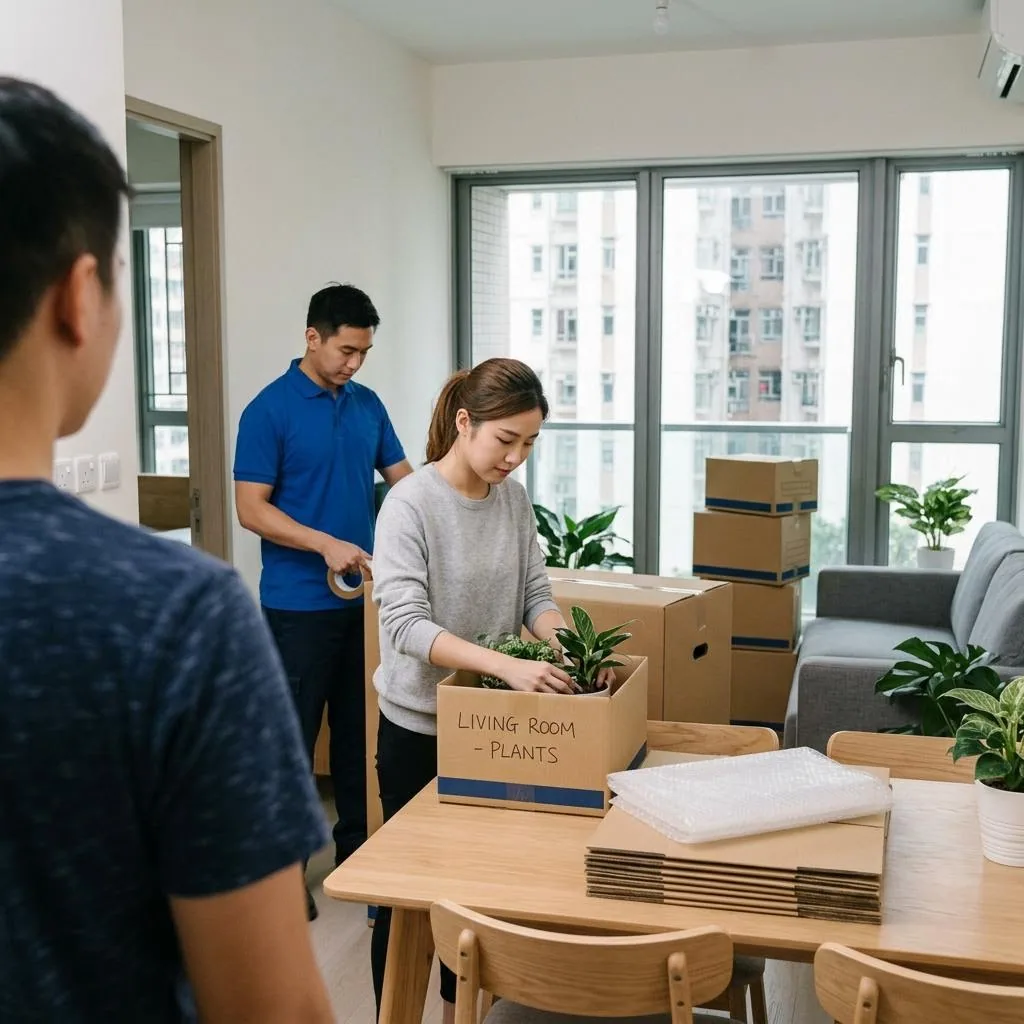
The easiest method is to unpack, sort, and discard packing materials as you go. After finishing each area, flatten empty boxes and keep them together to preserve walking space. If you have not decided on final placement yet, group items by use in one corner instead of leaving them scattered. Clear labels with room names and key contents will save a lot of time later; see Moving boxes and labelling guide for a practical system.
How to make trade-offs when time is tight
The biggest challenge in a two-day move is not the workload itself, but trying to complete everything at once. A more realistic target is to make the home functional first: bed usable, clothes accessible, bathroom ready, and basic kitchen items in place. Decorations, collections, and rarely used items can be handled later. If you already know the box count is high, keep Sunday evening for finishing touches instead of squeezing everything into the last hour.
Also leave buffers in the schedule. Do not pack handover, arrival, unpacking, and meals too tightly together. In Hong Kong, traffic, parking, and lift access can all slow things down, so it is better to split the move into two phases: heavy items in the morning and placement plus first-round unpacking in the afternoon. If you want to map the process in advance, see /guides/moving-timeline and list the items that must be handled first.
Questions to ask before and after the move
When you hire movers, do not only ask about travel time and manpower. Ask exactly what is included: disassembly and reassembly, carrying to the floor, protective wrapping, waiting time, and how any extra on-site work is handled. If you have oversized items, narrow staircases, village houses, tong lau buildings, or no-lift access, explain the real situation early and ask for written confirmation of the arrangement so there are no surprises on the day.
Before handover and after arrival, do your own final checks: make sure the old place is cleared, all keys and access cards are collected, and rubbish or packing waste is handled. In the new place, confirm the location of large furniture, check for missing boxes, and inspect doors and floors for damage. If you want to prepare a checklist, see Moving checklist; if you are still comparing service scope before requesting a quote, use Online Quote or Moving house price list first.
Frequently Asked Questions
If I only have the weekend, what should I do first?
Prepare the carry-on bag on Friday night, confirm the address and moving arrangements, and do a final reading and site check. That way Saturday starts with action, not with last-minute searching.
What is the most common mistake in a weekend move?
People often skip priorities, unpack small items too early, or mix essentials into ordinary boxes. The smoothest order is usually heavy items first, then placement, then detailed unpacking.
What if I am packing alone and the schedule is tight?
Separate items into immediate-use, regular-use, and can-wait groups. Prioritize the bed, clothes, bathroom, and basic kitchen items, then seal the rest and finish them later after the move.
What should I check after arriving at the new home?
Check large furniture for damage, confirm room placement, and inspect doors and floors for scratches. Also make sure no boxes are missing, and photograph any issue right away.
When should I consider hiring movers?
If you have many boxes, heavy furniture, and only two days available, doing everything yourself often leads to delays. You can ask movers to handle carrying and some disassembly, but any electrical, gas, internet, or specialist technical work should still be done by qualified professionals.


