MOVING TIPS & ADVICE
Common Moving Problems and Practical Ways to Solve Them
Key answers
Most moving problems can be avoided with sorting, clear labelling, realistic scheduling, and upfront communication, then confirmed again at handover to reduce loss, damage, and delay.
Sort and label first so you can find things after arrival
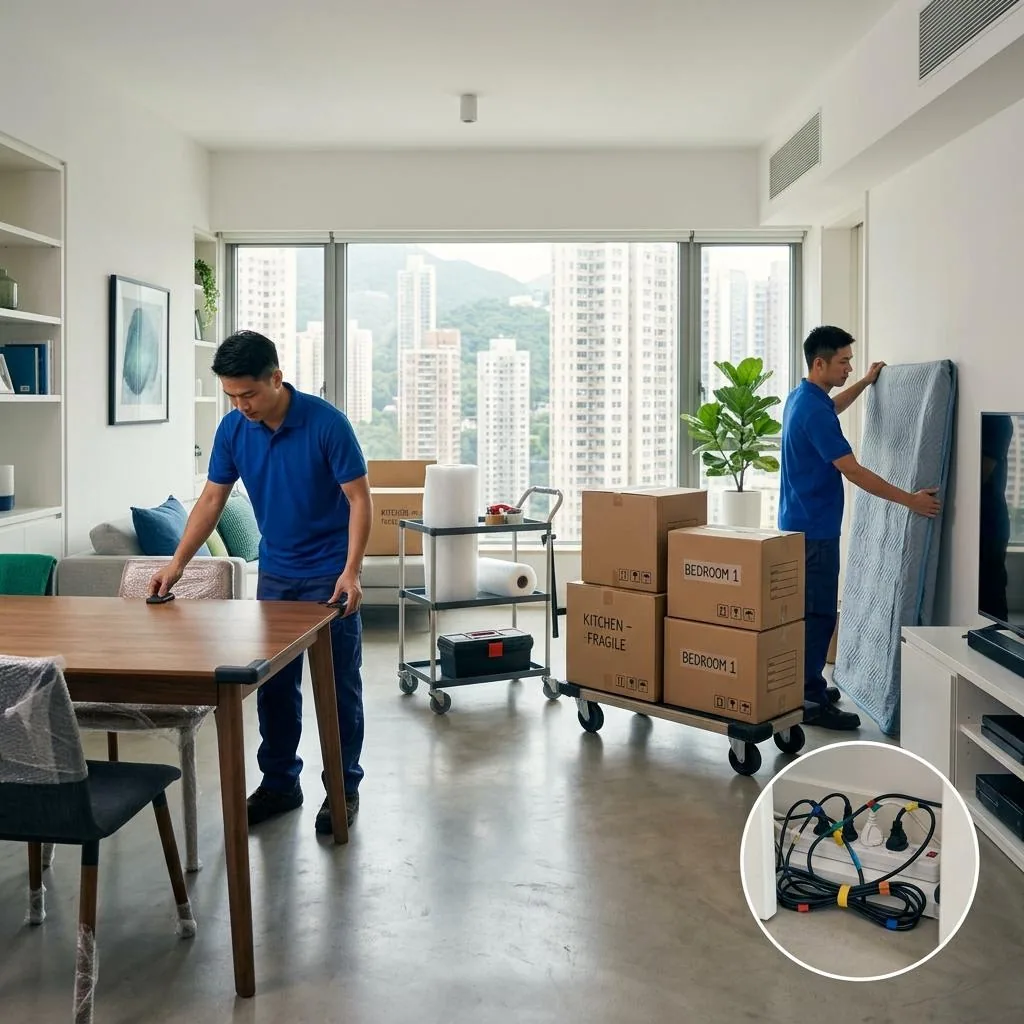
A very common mistake is packing different types of items into the same box in a hurry, then spending the first night in the new home searching for documents, chargers, medicine, or kitchen basics. A safer approach is to group items by room and use, then pack them as essentials, daily-use items, and items not needed right away, with clear labels on each box.
Glassware, picture frames, cable accessories, and other fragile or loose items should be wrapped separately and not overpacked. Put cushioning at the bottom, heavier items lower down, lighter items on top, and leave a little space inside the box to reduce movement. Before moving day, prepare a personal bag with keys, transport card, charger, wipes, basic documents, and one change of clothes so you are not scrambling on the first night.
Measure before moving heavy or bulky furniture
The biggest problem with a fridge, sofa, bookcase, or bed frame is often not the weight itself, but discovering too late that the doorway, corridor, stair turn, or lift is too narrow. Before moving day, measure both the item and the access route, and check whether disassembly, door removal, or a different route is needed. For especially heavy items such as a piano, safe, or solid wood cabinet, tell the mover in advance about the weight, floor level, and narrow passages so the right number of people and the right route can be planned.
Do not force heavy items through tight spaces, especially in older buildings, tenement stairs, slippery floors, or narrow landings, because this can cause injury or wall damage. If the item is beyond normal household moving capacity, let an experienced moving team handle it. Electrical reconnection, gas piping, structural changes, or internal safe work should be done by the appropriate qualified professionals, not by improvised DIY work.
Allow time buffers for Hong Kong traffic and building rules
Many moving delays are caused not by slow handling, but by an unrealistic schedule. In Hong Kong, many buildings require booking the service lift, registration with management, or use within specific moving hours; if these are not checked in advance, you may have to wait on site. Peak traffic, rain, school dismissal times, and weekend crowds can also slow the whole process.
It helps to break the move into stages: clear small items and fragile goods first, handle large furniture next, and finish with final checks and clearing the flat. If the old and new homes are far apart, leave extra travel time. If either place is a walk-up, village house, or a building without a lift, make sure the floor level, loading point, and moving path are explained in advance so there is no last-minute surprise.
Tell the mover the conditions first, then confirm the plan
Poor communication is a common source of disputes. Besides the basic addresses and date, explain whether there is no lift, a narrow staircase, furniture disassembly, fragile items, temporary storage, parking restrictions, or building management rules. If there are special items, send photos so the mover can judge whether extra labour, special wrapping, or a split move is needed.
Before placing the order, ask what the service includes, whether stairs, disassembly, packing, disposal, or waiting time are counted, and request written confirmation of the key points. For pricing, liability, cancellation, or delay handling, refer to Moving house price list and Service terms. Do not rely on verbal promises alone, because misunderstandings are common when expectations are not documented.
If the new home is not ready, arrange the transition early
Sometimes the real problem is not the move itself, but the gap between handover of the old home and availability of the new one. In that case, confirm the lease or handover timing early and prepare a temporary stay, short-term storage, or phased moving plan so everything does not have to happen on one day.
If some items must be stored temporarily, separate documents, valuables, and daily essentials first, and mark the remaining boxes as storage or priority opening. Before moving day, check the new home’s water, electricity, locks, windows, and cleaning condition so small issues do not delay settling in.
Check on arrival to catch missing items and follow-up issues
After arrival, do not rush to unpack. Check the inventory room by room and confirm that large furniture, box counts, fragile items, and important documents have all arrived. Look for visible scratches, dents, or damage, and if anything looks wrong, take photos on the spot and raise it immediately so it can be recorded and followed up.
Also check whether stairs, door frames, corners, or floors show moving marks, and place unneeded boxes in their intended positions so they do not block the path. If there are still tasks left, such as unpacking, sorting, disposal of packing waste, or arranging follow-up storage, set the order first and handle them step by step.
Frequently Asked Questions
What is the most important preparation before moving day?
Make an item list, sort belongings by room and purpose, label each box clearly, and confirm addresses, floors, lift access, and building restrictions so there are no last-minute changes.
How can I reduce damage during a move?
Wrap fragile items separately, leave cushioning space inside boxes, put heavy items at the bottom and light items on top, and avoid overpacking. Mark fragile boxes clearly and keep them easy to identify.
What is the most common mistake when moving heavy items?
The most common mistake is trying to move without measuring the access route first, then forcing the item through a tight space. Large or very heavy items should be assessed in advance and not handled by force.
What information should I give the mover?
Provide the pickup and delivery addresses, date, floor level, lift access, disassembly needs, fragile or oversized items, and any building entry restrictions. Ask for written confirmation if anything is unclear.
What if the new home is not ready on the same day?
Arrange temporary accommodation, phased moving, or short-term storage in advance, and keep documents, valuables, and essentials separate so you can manage the gap more easily.


