MOVING TIPS & ADVICE
Post-Move Organization and Storage Support
Key answers
After a move, the fastest way to settle in is to sort by priority, assign each room a purpose, and place everyday items first. In compact Hong Kong homes, clear labels, early prep, and a simple system can reduce clutter and repeated handling.
Why you should organise soon after moving
If boxes are left unopened for too long after moving, they quickly block walkways, make items hard to find, and slow down family routines. The goal is not to unpack everything at once, but to bring out essentials first: bedding, toiletries, documents, cleaning supplies, and daily-use items so life can return to normal sooner.
Hong Kong homes are often compact, so delayed sorting usually leads to piles in the living room, bedroom, or corridor, which then take longer to fix later. A better approach is to decide where each room will function before move-in, place large items first, and then handle smaller categories step by step to avoid constant reshuffling.
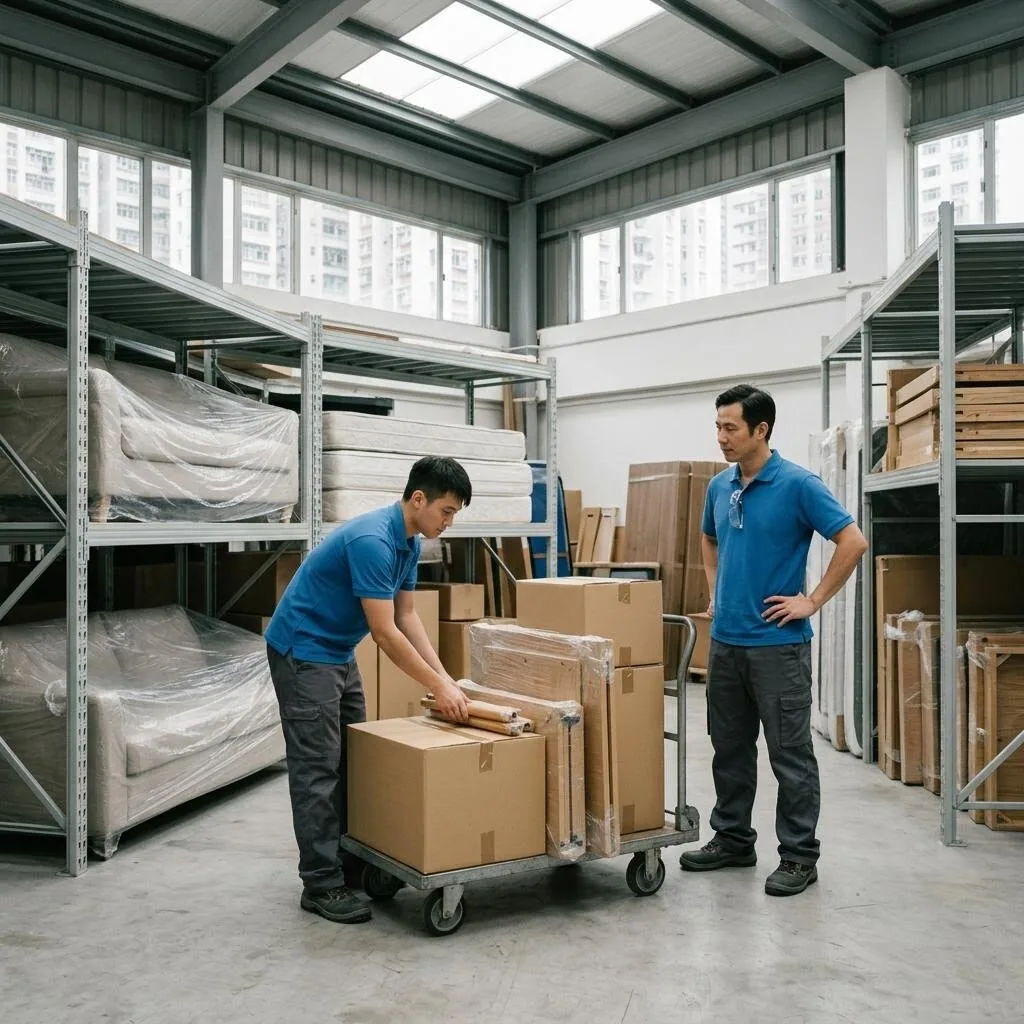
What storage support usually includes
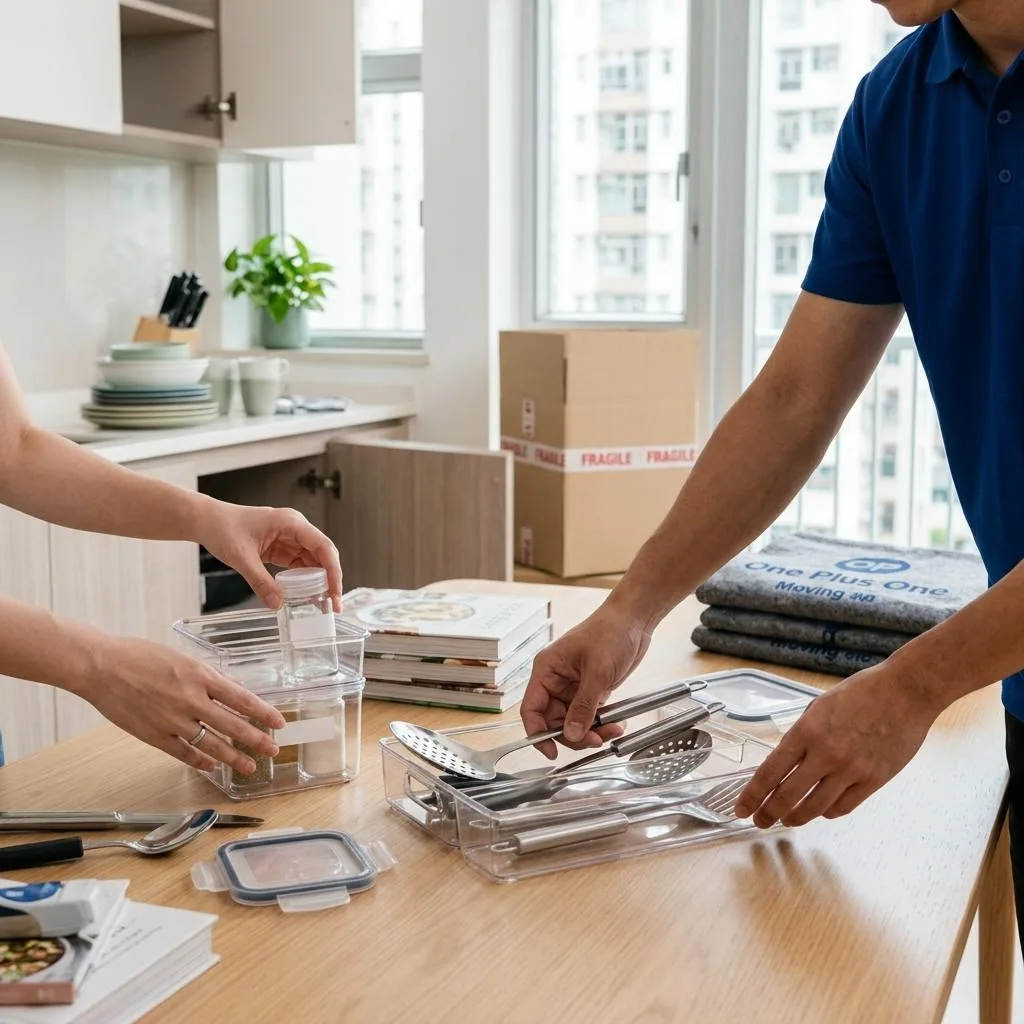
Practical storage support often covers unpacking, sorting, room-by-room placement, separating clothes and daily items, and putting frequently used items within easy reach. If boxes are already labelled, the process is faster; if not, it helps to divide items into three groups: immediate use, short-term use, and items that can stay packed for now.
Fragile items, documents, and personal items should be handled first, followed by wardrobes, kitchen cabinets, and storage zones. If large furniture needs to be repositioned, door width, lift size, and corridor clearance should be checked before final placement, so you do not discover too late that doors cannot open properly or passage is blocked.
Storage rules for compact Hong Kong homes
In many Hong Kong flats, storage must support both living space and movement, so the aim is not to cram everything in, but to make items easy to access. A common rule is to keep high-use items at waist height, put low-use items higher up or deeper inside cabinets, and use shelves, boxes, and drawer dividers to reduce wasted space.
If the flat has a helper room, balcony, built-in cabinets, or deeper storage areas, each zone should have a clear purpose before items are assigned. Seasonal clothes, documents, and holiday items are best kept in clearly labelled boxes, and they should be reviewed regularly so you do not keep unnecessary things for too long.
What to prepare before and after move-in
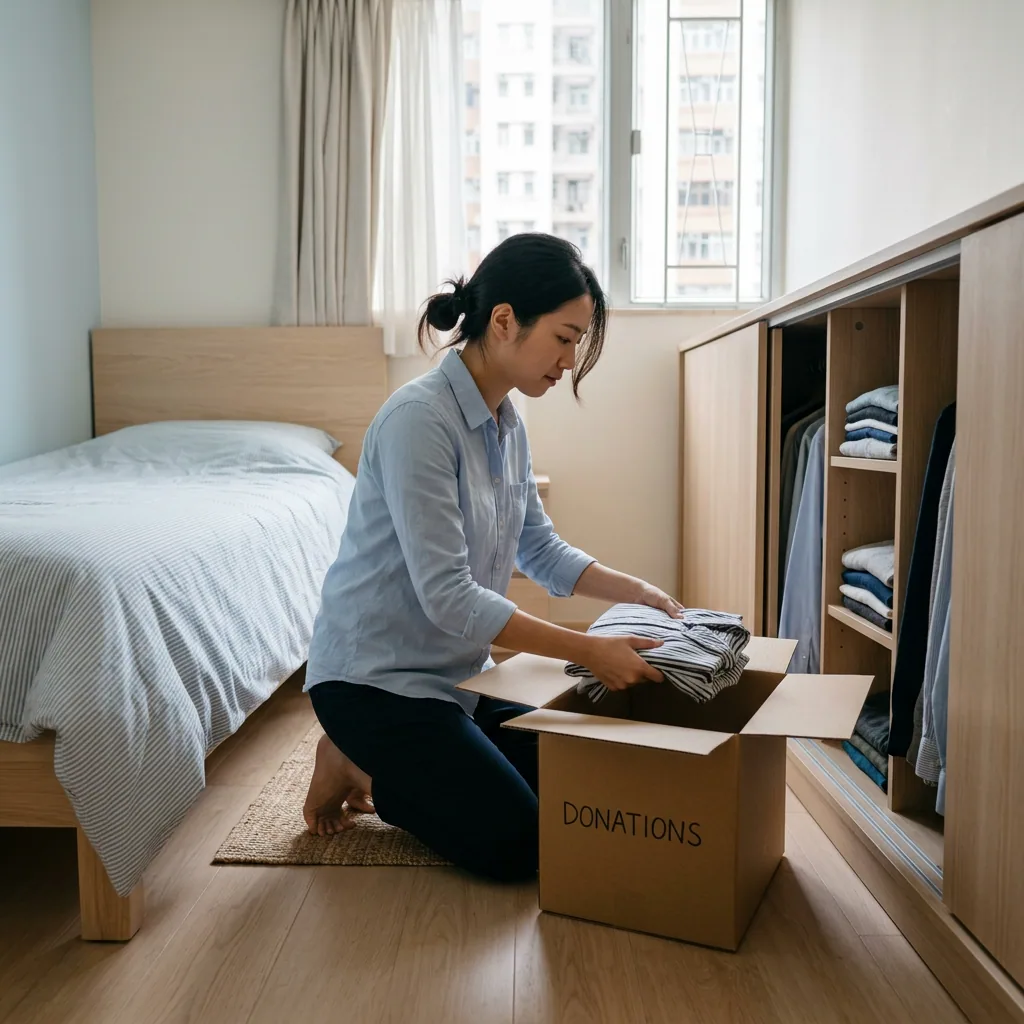
To make post-move organising easier, it helps to declutter before moving, label boxes, and measure the new home in advance. Many people measure cabinet spaces, bed placement, and appliance locations, then pack similar items together and mark each box with the room, contents, and unpacking priority so the team can work in a more logical order.
On moving day, leave enough floor space and clear paths so boxes do not fill the whole home at once. If the job involves furniture assembly, wall fixing, appliance connection, gas work, or plumbing changes, these should be handled by qualified professionals; storage support should stay focused on sorting, placement, and space planning.
How to choose the right support team
When choosing a team, first confirm whether they handle post-move organising or only standard moving work, because the service scope is not always the same. Ask directly whether they can help with unpacking, sorting, furniture placement, light cleaning support, and whether you should provide a floor plan, box count, or room allocation in advance.
Also ask for clear confirmation of the scope of work, number of people on site, expected time needed, and any limits such as narrow stairs, no lift, distant parking, or the need for phased entry. If there are any extra tasks, request written confirmation beforehand so there is no misunderstanding or delay on arrival.
Common mistakes and arrival checks
A frequent mistake is opening every box before deciding priorities, which creates more mess instead of less. Another common issue is leaving labels and storage tools behind, or forgetting to prepare rubbish bags, tape, scissors, and storage boxes, which forces you to improvise and reduces efficiency once the team arrives.
After the work is done, check that essential items are in fixed places, fragile items are intact, furniture is stable, paths are clear, and doors or cabinets open properly. If anything is missing, misplaced, or needs re-zoning, adjust it early; if needed, refer to Moving checklist or ask the provider for written confirmation.
Frequently Asked Questions
What should be organised first after moving?
Start with bedding, toiletries, documents, chargers, and cleaning items so the basics are ready, then move on to clothes, kitchen items, and miscellaneous belongings.
How is storage support different from standard moving service?
Standard moving focuses on transport. Storage support focuses on unpacking, sorting, placement, and space planning so the new home becomes usable faster.
What is the most important storage principle for small Hong Kong flats?
Protect the walking path first. Keep frequently used items easy to reach and store low-use items higher up or deeper inside cabinets.
What should be prepared before move-in to speed up organising?
Declutter first, label boxes, measure cabinets and bed spaces, and plan each room in advance so items can be sorted by zone on arrival.
When should you hire a qualified professional instead of doing it yourself?
Any work involving electrical connection, gas, plumbing, wall fixing, or other specialist tasks should be handled by qualified professionals; organising teams should only handle sorting and placement.