MOVING TIPS & ADVICE
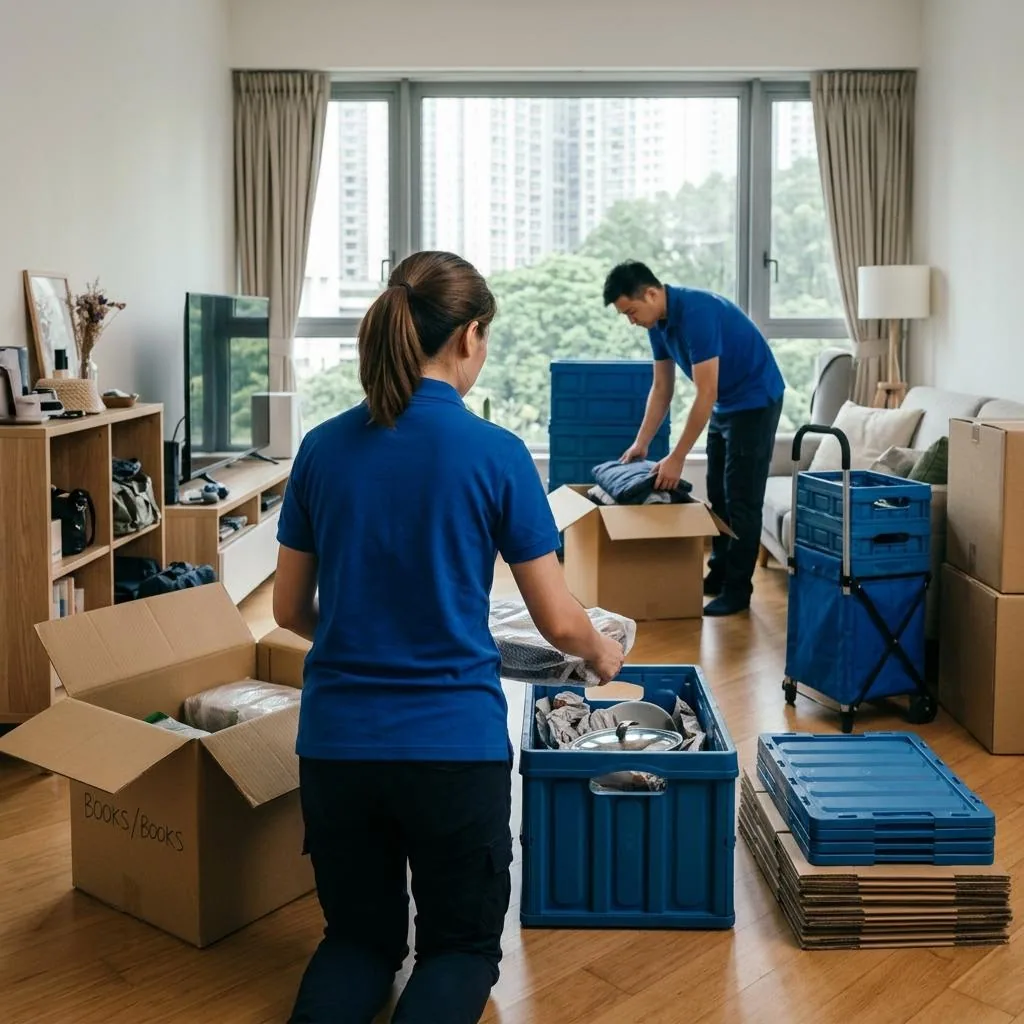
Plastic Folding Crates or Traditional Cardboard Boxes for Moving?
Key answers
In Hong Kong, cardboard boxes are cheaper and lighter, while plastic folding crates offer better rigidity and moisture resistance. The best choice depends on item weight, weather, distance, and whether you need reusable packing.
Start with the job, not the box type
When choosing moving containers, price is only one factor. Item type, route conditions, and weather matter just as much. In Hong Kong, high humidity, rainy days, stair access, and waiting time outside lifts can all affect whether your packed items arrive safely.
Cardboard boxes and plastic folding crates are not rivals in every case. Cardboard works well for one-time, lighter packing and easy recycling. Plastic crates are better for reusable packing, moisture-prone items, and loads that need more support during transport.
What cardboard boxes do well, and where they fail
Cardboard boxes are easy to find, usually inexpensive, and simple to discard after the move. They are practical for clothes, bedding, toys, and other bulky but light items. They also come in many sizes, which makes labeling and sorting easier.
Their weak point is moisture and compression. If the bottom is not reinforced, heavy items such as books, files, or tableware can cause the box to buckle. Once cardboard has absorbed moisture, it may soften or collapse when stacked, so avoid boxes that are already dented, torn, or damp.
Why plastic folding crates are useful
Plastic folding crates are sturdier and more resistant to moisture, so they are suitable for books, documents, kitchenware, glass items, and seasonal clothing. They keep their shape better when stacked, which is helpful if boxes will wait in a corridor, driveway, or other exposed area.
The trade-off is cost and convenience. Buying or renting crates usually costs more up front, and their fixed size may not suit odd-shaped items as easily as cardboard. If you do not label them clearly, similar-looking crates can also slow down unpacking at the new address.
The most practical way is usually to mix both
Most Hong Kong moves do not need an either-or choice. A mixed approach is often the most efficient. Use stronger containers for heavy, fragile, or moisture-sensitive items, and use cardboard boxes for light bulky items such as duvets, pillows, plush toys, or empty storage bags.
Do not overload any single box, and do not mix too many item types in one container. Heavy items should go in smaller boxes, while light bulky items can go in larger ones. Fragile items should be separated and cushioned with paper, bubble wrap, or clothing. If stairs are involved, split especially heavy loads before moving day to reduce drop and strain risks.
What to prepare before packing
Before packing, make a simple inventory. Mark each box with the room name, contents, and whether it is fragile. Use labels such as first open or last open to make settling in easier. Keep ID documents, chargers, medication, valuables, and one-night essentials in a separate set that will not go into ordinary moving boxes.
If rain is likely or if there may be a long wait during handover, prepare simple moisture protection such as plastic bags or protective wrapping, but do not trap damp air inside the box. Electrical appliances, gas-related items, medical supplies, precision equipment, and specialist items should be checked by the relevant qualified professionals before handling; do not attempt risky do-it-yourself dismantling or packing.
What to check on moving day and what to ask
Before loading and after unloading, quickly count the boxes and check for damage, loose closures, and missing labels. Once you arrive, place the most important boxes in the correct rooms first, then inspect for dampness, crush marks, or exposed contents so any issue can be spotted early.
If you are asking a mover, confirm whether containers must be self-provided, whether reusable boxes are accepted, how loss or damage is handled, and whether stairs or narrow access are covered. For village houses, tong lau buildings, or heavy loads, request written confirmation of the moving plan and any limits before the job starts.
Frequently Asked Questions
Should I use only cardboard boxes or only plastic folding crates?
Usually no. Cardboard is fine for light items, while plastic crates are better for heavier, fragile, or moisture-sensitive items. A mixed setup is often the most practical choice in Hong Kong.
What is cardboard best used for?
It is best for bedding, clothes, plush toys, and other bulky but light items. Heavier items like books, files, or tableware are safer in smaller, sturdier boxes.
What should I check before using plastic folding crates?
Check the size, stackability, return or reuse arrangement, and any responsibility for loss or damage. It is wise to get written confirmation before the move.
Which box type is better in rainy weather?
Plastic crates are usually better because they handle moisture more easily. If you must use cardboard, keep the boxes out of rain as much as possible and avoid leaving them on wet ground.
Should I ask the mover whether I can bring my own boxes?
Yes. Different movers may have different rules for self-provided boxes, reusable crates, labels, and stacking. Confirm it in advance so the move does not stall on the day.


