MOVING TIPS & ADVICE
Moving Box Packing Tools: Faster Packing With Less Effort
Key answers
Packing for a move gets easier when you choose the right tools. The right tape, labels and storage aids can reduce repeated lifting, protect fragile items, and make unpacking by room much faster.
Prepare the packing tools before you start boxing up
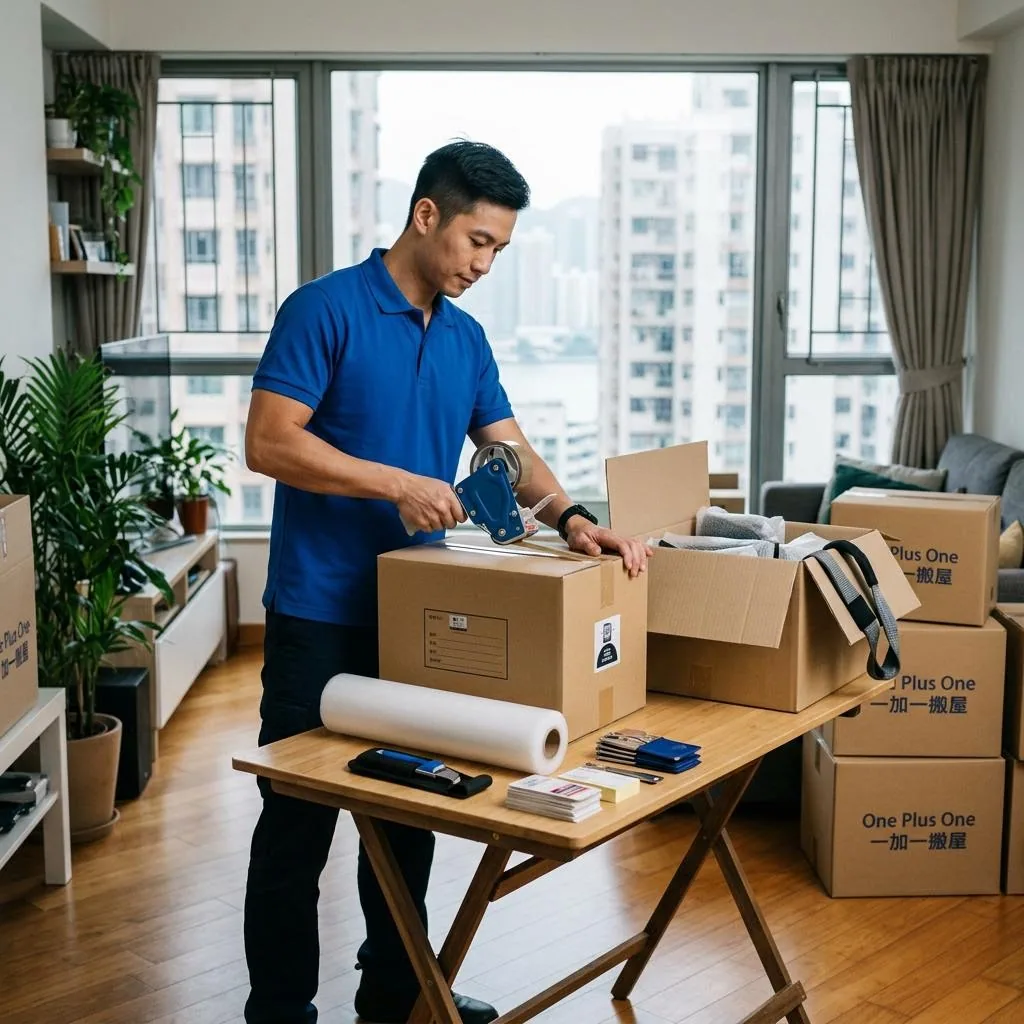
The biggest packing mistake is not running out of boxes, but constantly stopping to hunt for tape, scissors or labels. Before you begin, set out boxes in several sizes, packing tape, a tape cutter or scissors, markers, label stickers, garbage bags, cling film and some cushioning material. A clean work surface also makes the whole process smoother.
Space is limited in many Hong Kong homes, so pack by room and leave everyday essentials until last. Keep chargers, medication, identity documents, basic toiletries and one set of clothes aside for the final day. If you have large furniture, a fridge or tall cabinets, measure corridors, lifts and door frames first so you do not discover a size problem after everything is boxed.
How to choose tape and wrapping tools that actually save time
A hand-held tape dispenser is useful when you need to seal many boxes, because it cuts the tape cleanly and helps avoid wrinkled or crooked strips. For a small move, plain packing tape and scissors are enough, but the bottom of each box should still be reinforced with crossed tape, especially if the box will hold books, crockery or other heavy items.
Cling film and bubble wrap serve different purposes. Cling film is better for holding cabinet doors shut, bundling drawers and securing small parts bags, while bubble wrap is for protecting fragile surfaces. Do not wrap everything too tightly, or unpacking becomes harder later. If the job involves electrical items, gas appliances, medical equipment or anything that needs professional dismantling, ask a qualified specialist instead of attempting risky DIY.
Clear labels make unpacking much easier
Good packing is about clarity, not appearance. Every box should show the room name, item category, whether it is fragile, and whether it should be opened first, for example, Kitchen, crockery, fragile, first to open. If handwriting may be hard to read, place the label on the top and at least two sides, and use a consistent colour code for each room so both movers and you can identify boxes quickly at the new home.
Prepare one essentials box or first-night box for documents, chargers, medicine, slippers, tissues, toiletries and basic tableware. Do not mix these items into other boxes, or you will waste time searching later. For loose screws, shelf clips, remote controls and assembly parts, place them in a sealed bag, write the purpose on it, and tape or tie it to the related furniture piece.
Packing priorities for fragile items, clothes and books
Fragile items should not rely on a single layer of paper or a thin plastic bag. Plates, cups, glassware and frames should be wrapped one by one, with cushioning material or crumpled paper filling the empty spaces inside the box. Mark the top and sides as fragile, but still pack the box with weight and stability in mind: heavy items at the bottom, lighter ones on top.
Vacuum storage bags can reduce the volume of clothes, bedding and seasonal items, but make sure everything is dry first to avoid musty smells or mould. Books and files are heavy, so use small boxes and do not overfill them; oversized boxes become too heavy, sink at the bottom or strain your back when lifted. If an item is valuable or needs special protection, ask the moving company in advance what packing method they recommend, and request written confirmation of the arrangement.
How to split the work between self-packing and professional help
If you are moving on your own or with a small household, handling most of the packing yourself is usually manageable. But if you have many items, lots of collectibles, a kitchen full of small pieces, or very little time before moving day, doing everything alone can quickly become chaotic. A practical approach is to pack personal items, documents and first-night essentials yourself, then ask an experienced moving team to help with bulky furniture, crockery, books and clutter.
Before hiring a mover, ask whether packing materials are included, whether they charge by room or by item, how fragile items are marked, and what happens if the actual quantity is different from the estimate. If you need pricing or service scope, check Online Quote and Moving house price list first; for terms, limits or liability details, rely on the written information at Service terms.
Check the boxes on arrival before you start unpacking
When you reach the new place, do not open everything at once. First check for crushed corners, dampness, leaks or visible damage, then move each box to the correct room according to its label. If the label and the contents do not match, pause before opening so you do not spread similar items across several rooms and create more mess.
The best unpacking order is the essentials box first, then everyday kitchen items, toiletries and clothes, and only after that books, decor and storage items. Do not throw away all tape and fillers immediately, because you may still need to confirm that every part, accessory and document has been removed. If you notice possible damage after the move, take photos promptly and follow the agreed claims or follow-up procedure.
Frequently Asked Questions
What should I prepare first for moving day packing?
Start with boxes in several sizes, packing tape, a cutter, labels, markers, cushioning material and rubbish bags. Packing by room is usually faster and far less chaotic.
Is a tape dispenser really necessary?
It is not essential, but it helps you seal many boxes faster and with less mess. For a small move, normal tape and scissors are usually enough.
Can I use vacuum bags for everything?
No. They are best for dry clothes, bedding and seasonal items. Avoid using them for damp items or materials that crease badly or should not be compressed.
How do I keep small screws and furniture parts from getting lost?
Put them in a sealed bag, label the bag clearly, and tape or tie it to the matching furniture piece so the parts stay together until reassembly.
When should I ask for professional packing help?
Consider it when the household is large, fragile items are numerous, the timetable is tight or you do not want to handle heavy boxes yourself. Confirm the service details in writing first.


