MOVING TIPS & ADVICE
Common Moving Mistakes in Hong Kong: What People Most Often Overlook
Key answers
The biggest moving mistakes are usually basic ones: underestimating item count, poor packing, wrong measurements, tight timing, and leaving the old home cleanup too late. A simple checklist helps avoid most problems.
The most common blind spot: underestimating how much needs to move
Many people begin by assuming they do not have much to move, then discover the real volume only after opening wardrobes, storage areas, and the space under beds. If packing starts one or two days before moving day, the most common result is chaos: items are thrown into boxes without sorting, no list is made, and nothing is labelled clearly.
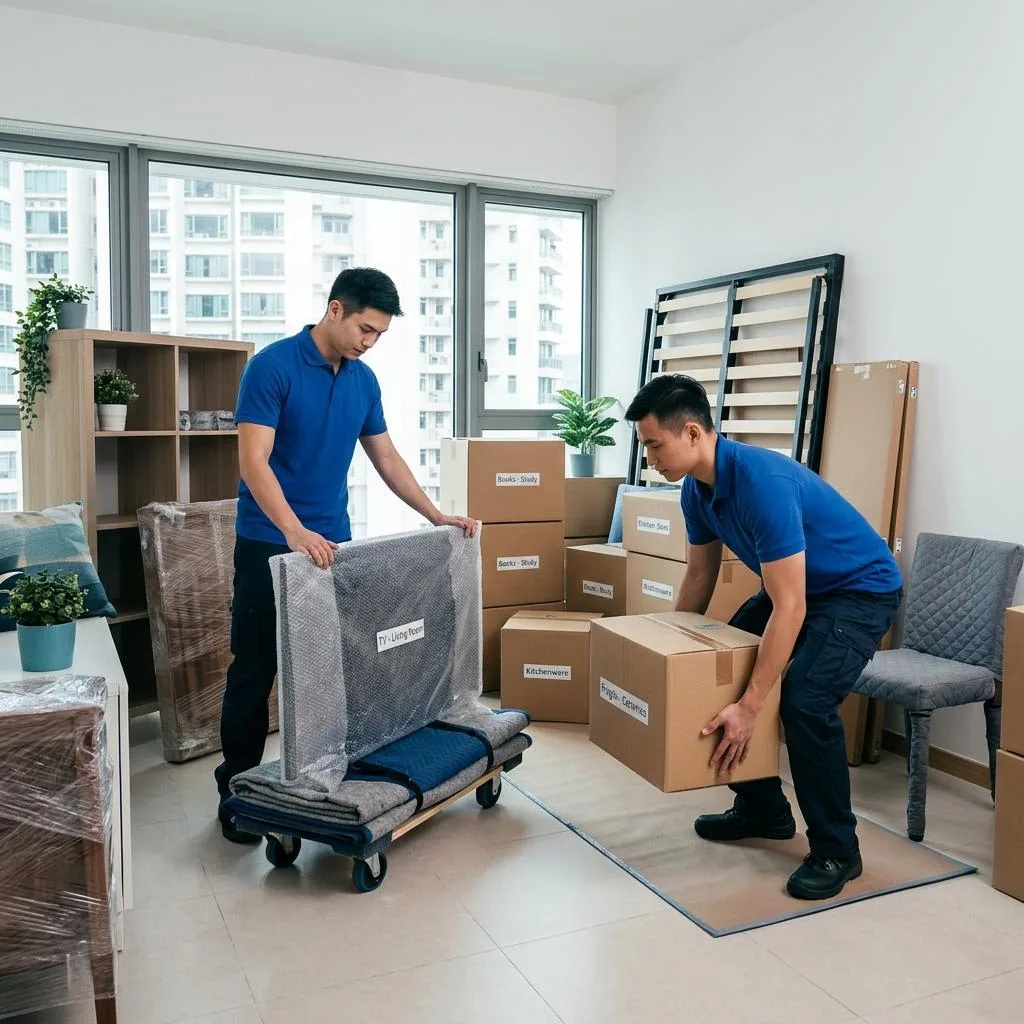
A safer approach is to sort room by room and separate items into four groups: must move, can donate, can discard, and need extra protection. Estimate the number of boxes and helpers in advance. Do not overpack boxes, spread heavy items across multiple cartons, and label contents and destination clearly. Small valuables or urgent items should be packed separately and carried with you on moving day.
Fragile and valuable items need proper protection, not just speed
Dishes, glassware, frames, jewellery, and small appliances may look manageable, but they are the items most likely to be damaged during transport. Wrapping them in towels or clothes may help a little, but without layers, cushioning, and fixed positions inside the box, the contents can still rub against each other, break, or scratch during the trip.
Pack these items one by one, then fill gaps with bubble wrap, paper, or padding to keep them from shifting. For electronics, keep the original cables, accessories, and manuals together, and take photos before unplugging anything. Important documents, keys, and jewellery should never be mixed into ordinary boxes; keep them in a separate pouch or folder with you. Any work involving large appliances, electrical connections, or gas hookups should be left to qualified professionals.
Measure the old and new homes properly so furniture does not get stuck
One of the most awkward moving-day moments is getting a sofa or wardrobe to the door only to find it cannot fit through the entrance, corridor, staircase, lift, or turn. This is usually not a handling problem but a planning problem: the furniture and the route were never measured properly before moving day.
Before moving, measure the length, width, and height of large furniture, then check the door frames, lift interior, corridor corners, and stair landings at both properties. If the furniture can be dismantled, confirm the parts are complete and the item can be reassembled securely. If there is any doubt about size, discuss it early with the mover and consider dismantling, moving in parts, or changing the placement plan instead of forcing it through and scratching walls or floors.
Weather, traffic, and building rules: leave enough time
In Hong Kong, moving plans are often affected by sudden rain, humid weather, traffic congestion, lift maintenance, or building rules that limit moving times or use of service lifts. If the schedule is too tight, one delay can affect the whole day and force people to rush between the old and new homes at once.
Leave a buffer in your schedule and confirm building management requirements, moving hours, parking arrangements, lift booking, and any temporary restrictions the day before. On rainy days, prepare waterproof bags, floor mats, and rags to reduce dampness and slipping. If stairs are involved, check slippery spots and tight corners in advance. Reconfirm the route, timing, and move-in arrangement early so changes are not left until the last minute.
Do not leave the old-home handover cleanup to the last moment
Many people focus only on setting up the new place and forget the cleanup, repairs, and waste disposal at the old home after everything is moved out. For tenants, the unit usually needs to be returned in a reasonably clean condition. If furniture has been removed, walls are dirty, floors are dusty, or rubbish is left behind, last-minute fixes are hard and can easily lead to disputes with the landlord or building management.
It is better to clear unwanted items gradually before moving day and reserve the last half day or day for basic restoration: empty the fridge, cupboards, and drawers; remove personal items; clear tape and packing waste; and check behind doors, under cabinets, on the balcony, and in the bathroom for forgotten small items. If you need to dispose of large furniture or a large amount of waste, check the building and disposal arrangement in advance instead of leaving everything for handover day.
When to ask for help, and what to confirm before you decide
If the home has many items, a complicated route, limited time, or larger jobs such as heavy furniture, old-building stairs, village-house access, a piano, or a safe, handling everything alone can quickly become too much. The value of a moving team is not only physical help, but also coordination, packing order, stair and lift pacing, and on-site problem solving.
Before booking, ask clearly what is included, whether dismantling is needed in advance, whether you must provide packing materials, how manpower and vehicle needs will be assessed on arrival, and how lift or building restrictions are handled. For special requests, ask for written confirmation. Any structural, electrical, gas, medical-equipment, or other specialist technical work should be handled by the appropriate qualified professional.
Frequently Asked Questions
What should I do first so I do not forget important items?
Sort room by room and separate items into must move, can discard, can donate, and needs extra protection. Then make a list of large furniture and urgent essentials so the scale is clear from the start.
Can fragile items just be wrapped in clothes and moved?
Clothes can help as extra padding, but they should not be the only protection. Fragile items need individual wrapping, cushioning, and space-filling so they do not move around inside the box.
What if a sofa or wardrobe does not fit through the door?
Do not force it. Check whether it can be dismantled, whether the route has a tight corner, and whether another route or layout is possible. Measure first and confirm the plan early with the mover.
What is most important to prepare if it rains on moving day?
Prepare waterproof bags, floor mats, and rags, and allow extra time. That helps reduce wet boxes, slippery floors, and dirt being carried between the old and new homes.
When is it worth using a moving team?
It is worth considering when there are many items, stairs, tight timing, or large furniture. Ask about the service scope, packing needs, and limits in advance, and request written confirmation for important arrangements.


