MOVING TIPS & ADVICE
Can Old Socks Protect Drinking Glasses? A Practical Home-Item Packing Method
Key answers
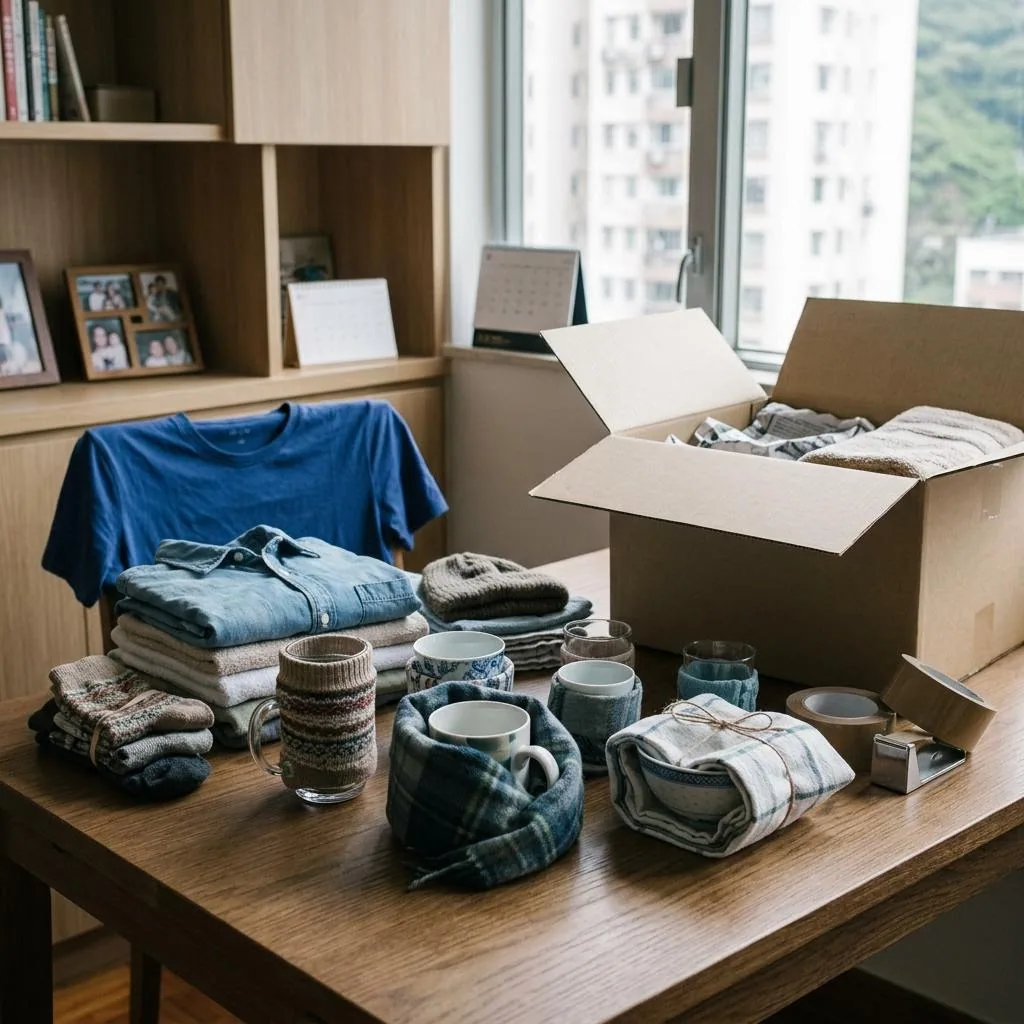
Old socks, towels, and T-shirts can help cushion cups, mugs, and other small fragile items. The key is to use clean, dry fabric, wrap each item separately, and fill all empty space so nothing shifts in transit.
Why home fabrics work for cups
When moving, the biggest risk is often not the weight of the item but the empty space inside the box. Clean socks, towels, and T-shirts are flexible enough to hug the shape of a cup or mug, reduce movement, and absorb light knocks, which makes them useful for everyday glassware and small ceramics.
Compared with newspaper, fabric is less likely to leave ink marks. Compared with stiff cardboard, it is easier to wrap around round bodies and handles. Even so, this is a household packing method, not a universal solution for every fragile item. Valuable, unusually shaped, or very thin items need more careful handling.
What to prepare before packing
Choose fabric that is clean, fully dry, and free from odour. If socks or towels are damp, dusty, or covered in pet hair, they can soil the items or make the box damp during the move. Wash and dry them in advance, then sort them by size so you can use them quickly on packing day.
You should also prepare sturdy boxes, cardboard or paper dividers, tape, and labels. Do not use a box that is too large just to save time, because extra empty space makes breakage more likely when the box is carried up stairs or loaded into a vehicle. Line the bottom first, then pack item by item.
How to wrap cups and tea sets properly
For a straight drinking glass, slip a long sock over the body first, then add a thin layer of cloth around the rim and base. A mug with a handle should have the handle wrapped carefully, because that is usually the first point to crack. Each item should be wrapped on its own; do not let two cups touch directly.
When placing items into the box, fill the gaps between them with soft material such as crumpled socks, T-shirts, or towels. Thin tea cups, plates, and small bowls are best packed upright rather than stacked flat. Before sealing the box, add a final soft layer on top and gently shake the box to check whether anything moves.
When socks are not enough
Socks and household fabrics are suitable for small and medium everyday cups and dishes, but they are not a substitute for proper packing of antiques, very thin glassware, tall vases, or decorated pieces. If such items collide, the damage can be much worse than with ordinary tableware.
Avoid using socks that are overstretched, fuzzy, or loose in shape, because they may not hold the item firmly enough. If you are moving many fragile items, going up and down stairs, travelling far, or moving heavy furniture at the same time, plan earlier and ask the mover for a more suitable packing approach.
Common packing mistakes to avoid
The first mistake is using fabric that is not clean or not fully dry, which can create odour and moisture problems. The second is packing too tightly just to save space, which lets cup rims and handles press against each other. The third is leaving empty space in the box without filling it, so the contents shift during the move.
Another common mistake is forgetting to label the box clearly. Mark it as fragile and this side up, then check the box bottom for dents, soft spots, or dampness after arrival. Open fragile boxes first so you can inspect the contents before everything gets mixed together.
What to ask the mover before moving day
If you are unsure how to pack certain items, ask the moving company in advance whether they can advise on fragile-item sorting, box filling, and what you should prepare yourself before pickup. If anything is outside the agreed scope, request written confirmation so there is no misunderstanding later.
You can also ask about stairs, lifts, loading access, parking, and building rules, because these affect the order of moving and the stability of your packed boxes. If you are preparing your own boxes or packing supplies, you may also check Moving checklist and Moving boxes and labelling guide early.
Frequently Asked Questions
Which cups are best suited to being wrapped with old socks?
Straight drinking glasses, mugs, coffee cups, and small tea cups are the best fit. Regular shapes and moderate size make them easier to wrap and stabilise. If the item is very thin, tall, or decorative, add extra layers and stronger box filling.
Do socks need to be washed before packing?
Yes. They should be clean and completely dry first. Otherwise, they may smell, hold moisture, or dirty the items. If they are dusty, fuzzy, or covered in pet hair, use another clean fabric instead.
Which is better for fragile items: newspaper, towels, or socks?
Towels and socks are usually better for wrapping cups and filling gaps because they are thicker and fit more closely. Newspaper can be used as extra filler, but it is less ideal for direct wrapping because it may leave ink and offers less cushioning.
How do I know the box is packed tightly enough?
Before sealing the box, shake it gently. If you hear movement or the contents shift, there is still empty space to fill. A well-packed box should feel stable and should not collapse when light pressure is applied to the top.
When should I avoid using home fabrics on my own?
Avoid relying only on household fabrics for antiques, valuable collectibles, very large glass items, or when you have many fragile items and a difficult route. In those cases, use a more complete packing plan and ask a qualified mover for advice, with written confirmation where needed.


