MOVING TIPS & ADVICE
How to Sort and Categorize Items Before Moving: Practical Packing and Labeling Tips
Key answers
Sort belongings by room, use, and fragility before you pack. Clear labels, a keep-or-let-go decision, and a first-night bag can reduce moving-day confusion and help you settle faster in a Hong Kong home.
Set the order first so the process does not spiral
The biggest mistake in moving prep is opening everything at once and ending up with half-finished piles in every room. A more practical method is to sort by space first, then by how often you use each item. Start with storage areas, living room clutter, and seasonal clothing before moving on to kitchen and bathroom essentials.
If your moving date is close, divide everything into three stages: pack first, pack later, and pack last. Everyday essentials should stay out until the end and go into a separate bag, so you are not hunting for toiletries, chargers, medication, or documents on the first night.
Group by category and keep each box consistent
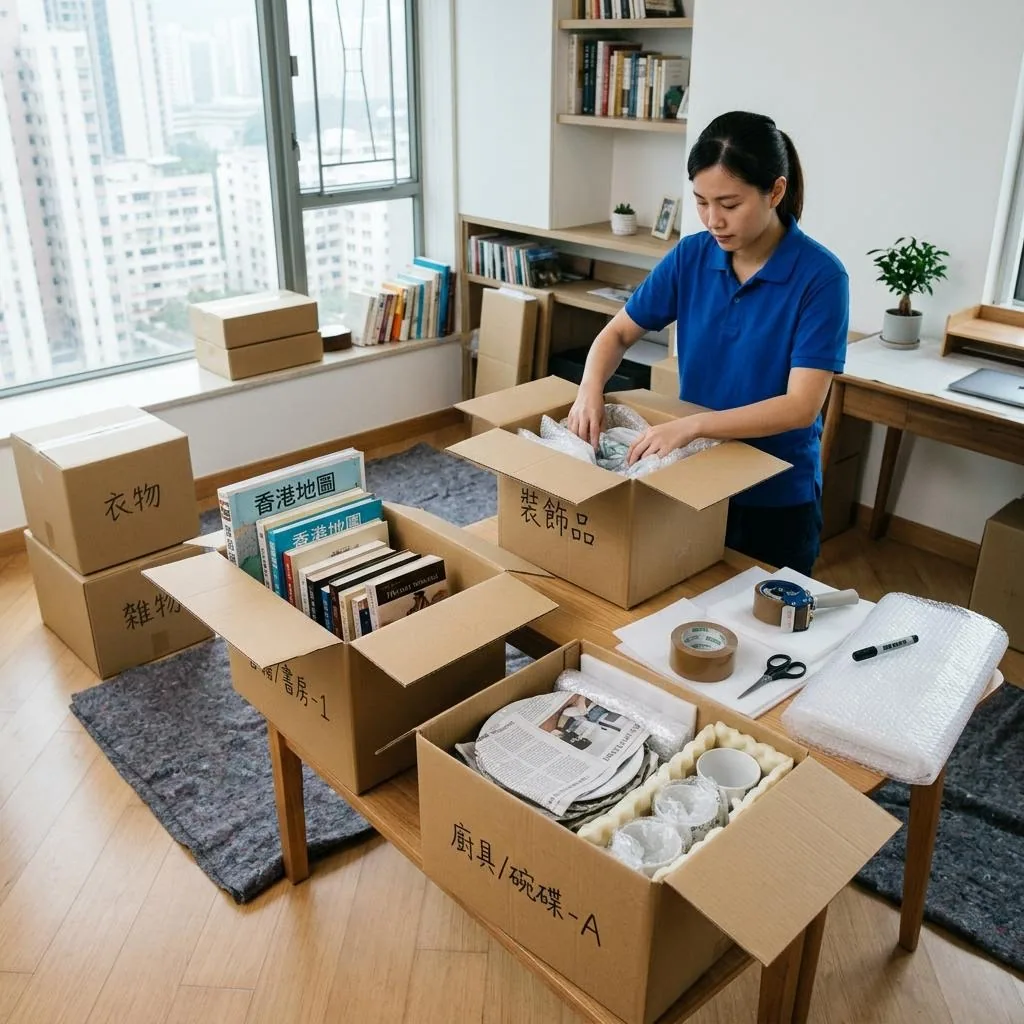
One box should ideally contain one type of item, such as books, clothing, kitchenware, files, or small household goods. Do not mix glasses, cables, picture frames, and toys in the same box. When grouping items, pay attention to weight as well; heavy items should be spread out instead of crammed into one large carton.
If you have baby items, tenancy papers, receipts, photos, or things you need immediately after arrival, keep them in a separate priority group and mark the box clearly for early opening. At the new home, these items can go in first so you do not spend the first evening searching through every carton.
Decide what to keep before you start packing
Sorting is not just about packing everything you own. Before you seal any boxes, go through each item and decide whether to keep it, pass it on, recycle it, or throw it away. Check for duplicates, damage, expired items, and things you have not used for a long time. This step reduces box count and makes unpacking much easier.
For large furniture, old appliances, metal clutter, or waste you cannot handle yourself, check building management rules and the proper removal method in advance. If an item is still usable, take a photo and record its condition before deciding whether to donate or sell it, so you do not regret moving unnecessary items later.
Use the right packing materials and labels
Choose packing materials according to the item. Fragile items should be wrapped with cushioning, and empty spaces inside the box should be filled so nothing shifts during transport. Heavier items or pieces with sharp edges should go into sturdier boxes with careful sealing. If a surface needs protection, wrap it first with cloth or paper before labeling.
Labels should be more specific than just kitchen or clothes. Add the main contents, such as kitchen: bowls and plates, or bedroom: winter coats and bedsheets. If a box contains items that must be opened first, mark it clearly on the outside and note the correct orientation if needed, so movers know not to place it upside down.
Keep a first-day bag separate
Many moving problems are not caused by the truck ride itself, but by not being able to find basic necessities on the first night. Prepare a separate day bag or personal box for ID documents, keys, chargers, some cash, regular medication, a towel, basic cleaning supplies, and a change of clothes. Keep it with you or a family member, not in the main load.
For longer moves or phased move-ins, you can also prepare a first-night box with bedding, toiletries, simple tableware, and a few basic tools. That way, even if the rest of the cartons are still sealed, daily life can continue without rushing out to buy essentials.
When to ask a moving team for help, and what to confirm
If you have many items, stairs, no lift, or large furniture that needs coordination for moving and possible disassembly, it is safer to arrange help early. Before asking for a quote, explain the unit location, floor level, moving route, and whether there are village house or tong lau limitations, as well as any heavy or fragile items.
Also ask whether you need to unpack boxes yourself beforehand, whether cabinets must be emptied, which appliances or special items need separate handling, and whether items should be placed room by room at destination. Electrical, gas, medical, structural, and other specialist technical tasks should be handled by qualified professionals; if anything is unclear, request written confirmation before moving day.
Frequently Asked Questions
Which items should I sort first before moving?
Start with items you use less often, bulky belongings, and things that will not affect daily life if packed early, such as storage clutter, seasonal clothing, books, and collectibles. Keep daily essentials for last and place them in a separate first-day bag or box.
What is the best way to categorize boxes?
Use one category per box whenever possible, and group by room plus item type, such as clothing, books, or kitchenware. Write the contents and destination room clearly on the outside so unpacking is much faster.
How should fragile items be packed?
Wrap fragile items with suitable cushioning, fill any gaps inside the box, and stop items from shifting. Keep glass, ceramics, and frames separate from heavier items, and mark the box as fragile on the outside.
Should I throw things away before moving?
Yes, if they are duplicates, damaged, expired, or unused for a long time. A move is the best time to filter out unnecessary items, reduce box count, and make your new home easier to organize.
When should I ask a moving team for help?
Ask early if you have many boxes, stairs, complicated access, or large furniture that needs coordinated handling. Before booking, provide clear details and request written confirmation of the arrangement and any special requirements.


