MOVING TIPS & ADVICE
Practical Ways for Tenants in Small Flats to Move Quickly
Key answers
Fast small-flat moving starts with reducing what you bring, packing by zone, and confirming building rules in advance. Clear labels, a simple timeline, and written confirmation of any special conditions help avoid delays on moving day.
Set the schedule before packing anything
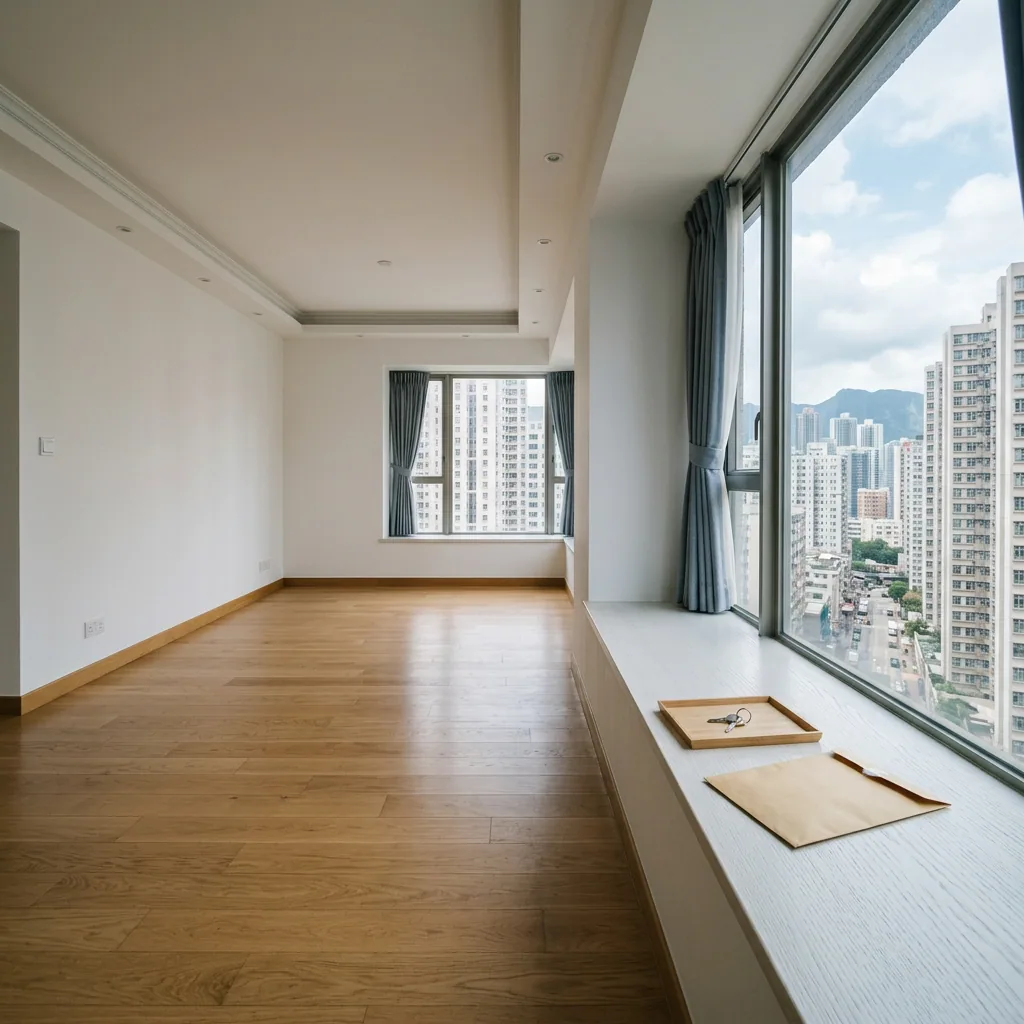
If you live in a small flat, speed comes from planning first, not from rushing on moving day. Confirm the handover date, notice period, cleaning time, and key return, then check whether both buildings allow lift use, moving hours, or registration.
If your timeline is tight, list must-take items, documents, daily essentials, and furniture before you start packing. For items you cannot resolve right away, check /storage or /disposal and choose the most practical option for the situation.
Reduce volume first so the move is truly faster
The biggest problem in a small-flat move is usually not the number of boxes, but the amount of unnecessary items. Sort everything into three groups: keep, discard, and store temporarily. Start with clothes, books, kitchenware, and small clutter so you do not carry things you no longer need.
Be clear about items that need special handling, such as large furniture, fragile dishes, or furniture that must be taken apart. Electrical, gas, structural, and other technical tasks should not be done as DIY; they should be handled by qualified professionals, and you should confirm the scope in advance with the relevant service provider.
Pack by area and label clearly
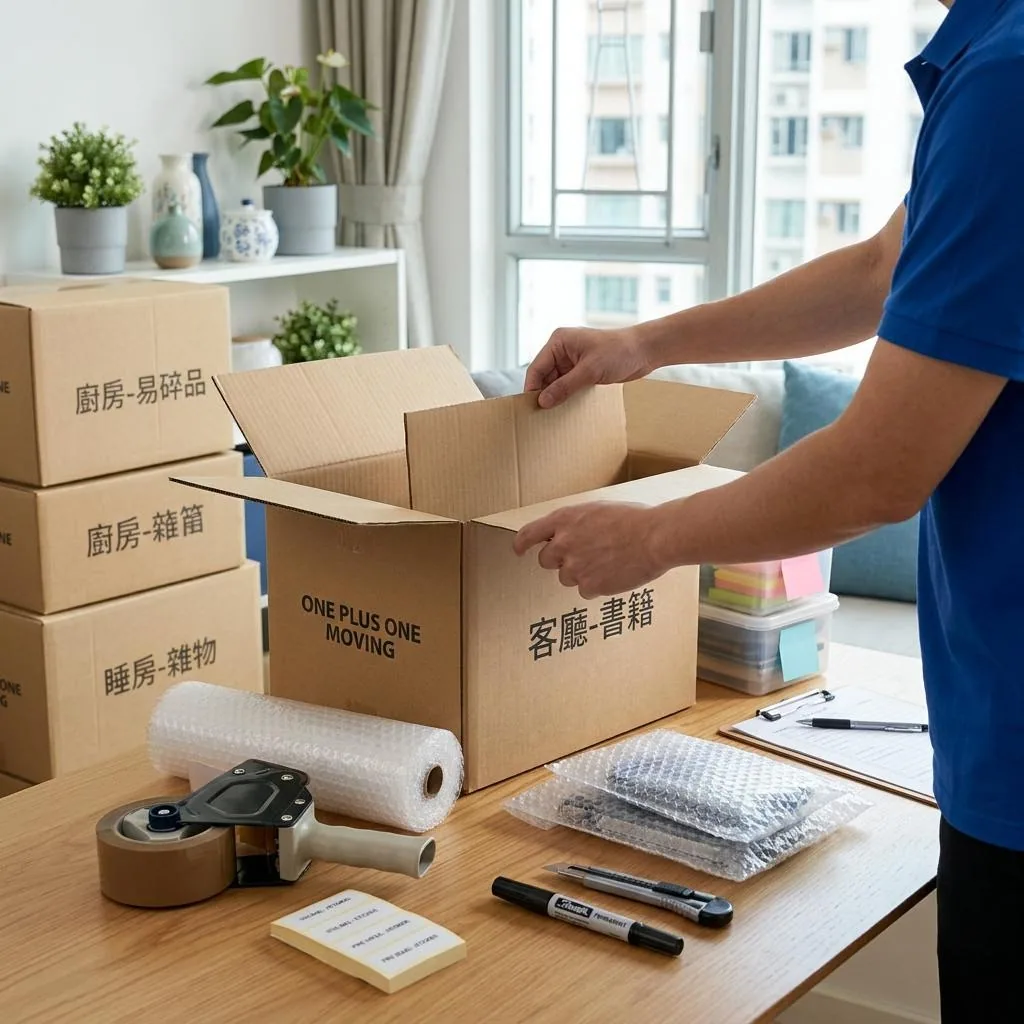
Fast moving depends on clear packing. Pack by room or use, such as bedroom first, then living area, then kitchen. Keep each box to one type of item, and write the room, main contents, and whether the box is fragile on the outside so it can be placed correctly at the new home.
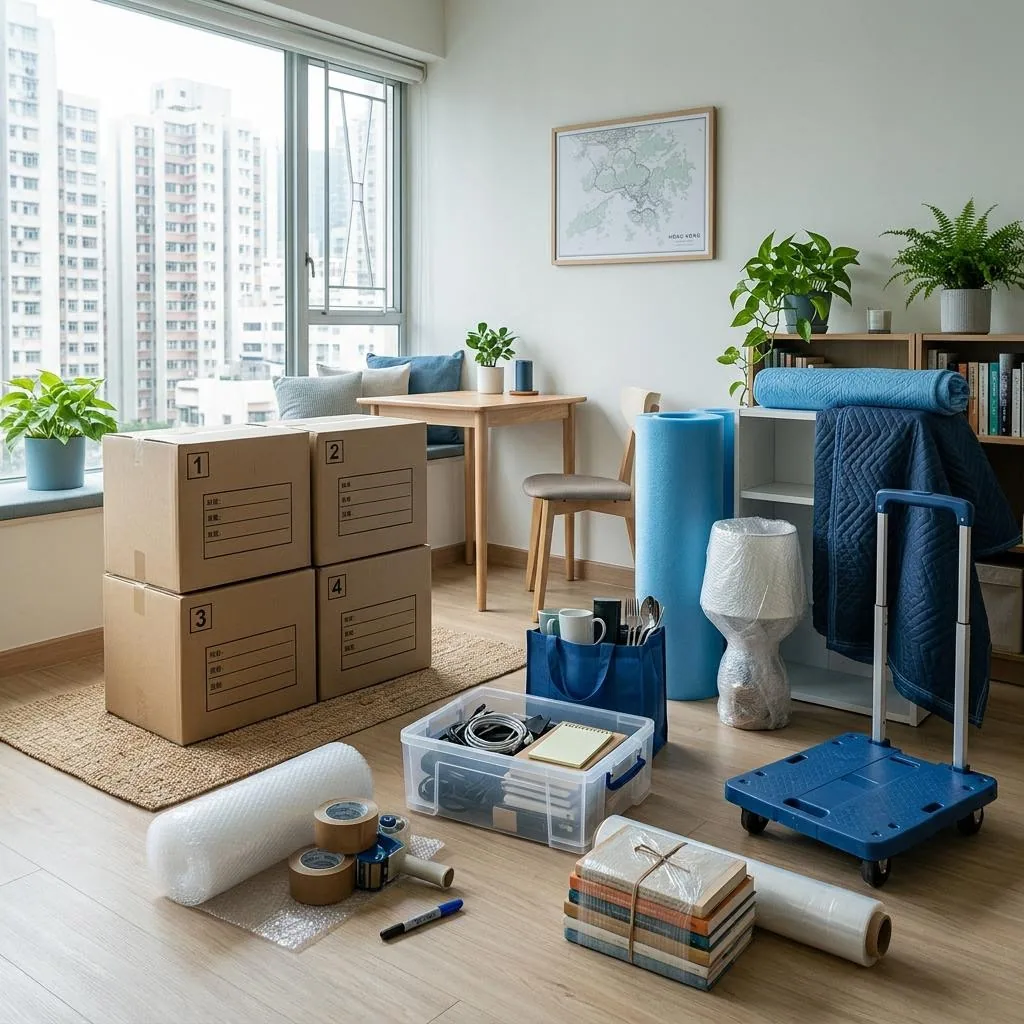
Do not try to make the fewest possible boxes at the expense of clarity. Heavy books should go into smaller boxes, while light clothing can go into larger ones; small loose items can be grouped in small containers before boxing. If you want a cleaner packing system, see Moving boxes and labelling guide before moving day.
What to do the day before and on moving day
The day before the move, gather all sealed boxes near the entrance and keep pathways clear. Put fragile items, ID documents, cash, keys, chargers, regular medicine, and anything you will need that day into a separate personal bag instead of mixing them with moving cartons.
On moving day, confirm lift booking, loading access, parking or curbside arrangements, and the receiving time at the new address. If the building has restrictions, narrow stairs, or a complex route, check /guides/moving-timeline or Moving access size tool so the move can stay organised without last-minute changes.
Settle the new home in the order that matters most
Do not open every box at once after arrival. Start with the bedroom, bathroom, and kitchen because they affect daily life the most. Set up bedding, toiletries, basic tableware, and the most needed appliances first, then deal with decorations and non-urgent items later.
If you want the flat to become livable quickly, place boxes in the right rooms based on the labels, then unpack them one by one. Put safety and clear walkways ahead of perfect appearance; if you need help with heavy or special items, you can ask about Residential moving services or Box packing service for suitable arrangements.
What to ask before choosing a moving team
Because small-flat moves are time-sensitive, your communication with the mover should be direct and specific. Tell them the flat size, floor level, lift access, the type of items to move, whether dismantling is needed, and the entrance situation at both addresses so they can plan people and time properly.
Also ask what is included in the quote, what happens if the load is larger than expected or the route is more difficult, and whether anything needs advance booking. For fees, terms, or service scope, request written confirmation and check Online Quote, Moving house price list, and Service terms to avoid misunderstandings on the day.
Frequently Asked Questions
What is the most important step for a fast small-flat move?
Set the schedule first and reduce volume early. When handover dates, cleaning, key return, and moving hours are fixed in advance, packing becomes much faster and far less chaotic.
How can I cut down what I need to move?
Sort items into keep, discard, and temporary storage. Start with clothes, books, kitchenware, and clutter, and do not wait until moving day to decide what stays and what goes.
What is the most useful way to label boxes?
Write the room, main contents, and whether the box is fragile. If you also note which boxes should be opened first, you can place them correctly and unpack much faster after arrival.
What should I check on moving day?
Confirm lift booking, access times, loading arrangements, and the receiving time at the new home. If the route is narrow or the building has restrictions, tell the mover ahead of time so the plan does not need to change on site.
What should I not handle myself during a move?
Do not DIY electrical, gas, structural, medical, or other specialist technical work. These tasks should be handled by qualified professionals, and you should ask in advance what the mover can and cannot do.