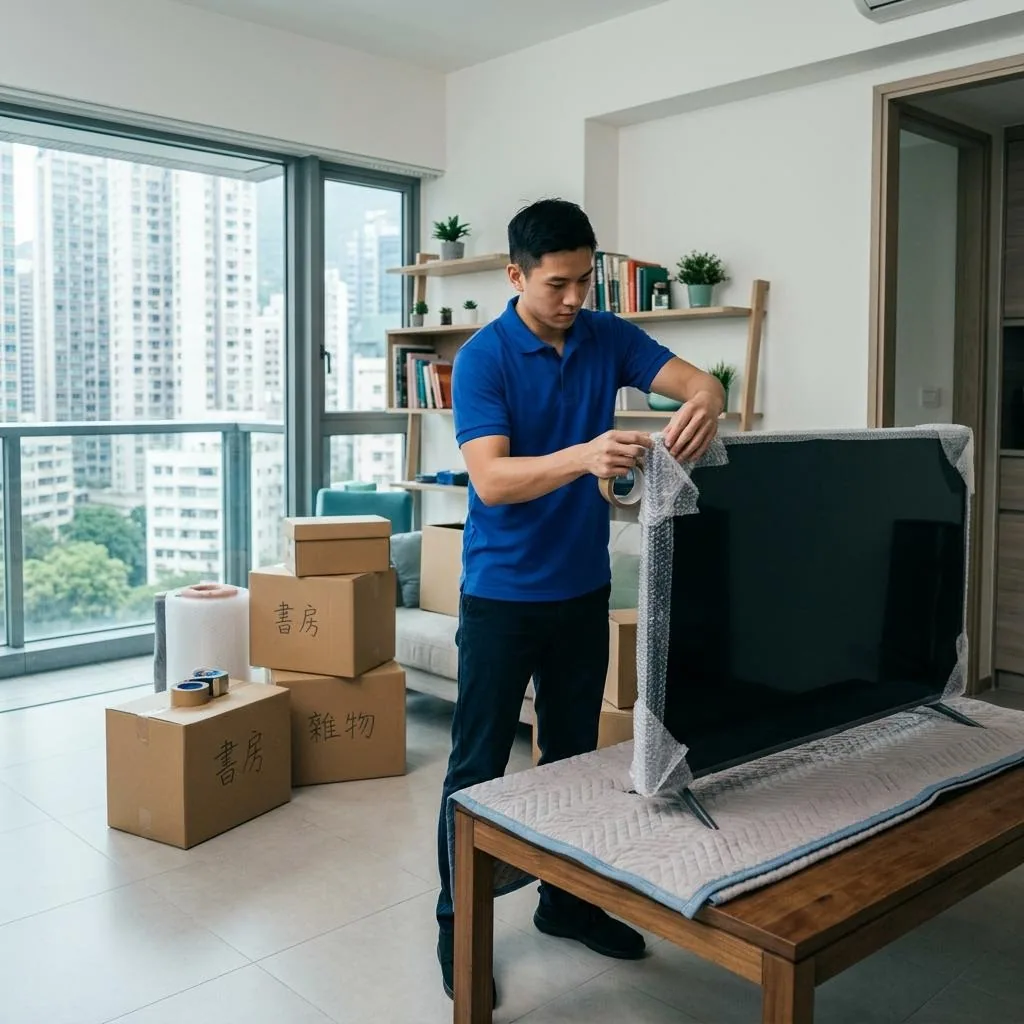
MOVING TIPS & ADVICE
Budget Moving Tips: What to Check Before You Do a DIY Move
Key answers
A DIY move can save labor costs, but only if you plan for packing, transport, access, timing, and hidden expenses. Know when self-moving is practical and when it is safer to ask for help.
First decide whether a DIY move is realistic
A self-move works best when the load is small, the furniture is simple, and the distance is short, such as for student rooms, single-person flats, or compact rental units. If you are moving clothes, books, kitchenware, and a few small appliances, arranging your own vehicle and helpers may be manageable.
If you have a large fridge, washing machine, sofa, bed frame, piano, or heavy cabinets, or if the route involves many stairs, narrow corridors, or awkward turns, a few friends may not be enough. Check the volume, weight, floor level, parking access, and time needed before deciding to do it yourself.
Use low-cost packing materials wisely
You do not have to buy brand-new boxes for every move. Clean second-hand boxes from supermarkets, pharmacies, or bookstores, plus suitcases, plastic bins, and tote bags, can help keep costs down. Make sure the boxes are dry, intact, and free from damage before you use them.
Old newspapers, towels, bedsheets, T-shirts, and foam can replace part of the bubble wrap, but fragile items still need proper layering and protection. Fill empty spaces inside each box so items do not shift, and label every box by room, contents, and whether it is fragile.
Plan the route, timing, and loading arrangements early
The biggest DIY problem is often not lifting the items, but discovering too late that access, lift use, or building rules were not arranged. Check the loading area, lift size, security registration, and permitted moving hours at both addresses, and leave enough time for waiting.
If you need a vehicle, ask in advance whether the driver only provides transport or also helps with carrying, stairs, and waiting time. Service terms can vary by platform or driver. Give the address, floor level, lift access, entrance conditions, and approximate item count before the move to avoid disputes or surprise charges.
Prepare the right tools and lifting method
A hand truck, straps, gloves, stretch wrap, marker pen, scissors, and packing tape are simple but useful tools. If there are long corridors, ramps, or several flights of stairs, a hand truck can reduce trips; in narrow passages, measure the corners first so boxes do not get stuck or damage the walls.
When lifting heavy items, bend your knees instead of your back, keep the load close to your body, and rise slowly with balanced footing. If something is clearly too heavy, do not force it; split it into smaller loads, disassemble it, or move it with another person. Wear non-slip shoes to reduce the risk of falls on wet floors, thresholds, or stairs.
Count the hidden costs before deciding whether you are really saving
A DIY move may look cheap if you only look at the vehicle fee, but you may also need tape, boxes, bags, drinks, meals, parking fees, tunnel fees, equipment rental, and extra spending caused by delays. If you need a second vehicle at the last minute, the final cost may be higher than hiring movers.
Watch out for illegal parking, overtime loading, and building restrictions. Saving a few steps by stopping in the wrong place can easily lead to fines or a second round of moving. List your expected costs and include a buffer before deciding whether DIY is truly the better option.
For bulky or complex moves, get help early
If you have large appliances, heavy furniture, a high walk-up building, narrow stairs, a long transfer distance, or many fragile items, self-moving may not be the cheapest choice. Forcing the job can lead to damaged items, strains, sprains, or collisions in common areas, and repairs or treatment can cost more later.
Tasks involving appliance disconnection, gas, structural work, lifting arrangements, medical equipment, hazardous items, or other regulated work should be handled by qualified professionals, not attempted on your own. If you are unsure, ask for written confirmation, compare the time, risks, and extra charges, and then decide whether a DIY move still makes sense.
Frequently Asked Questions
When does a DIY move make sense?
It makes sense when the load is small, the furniture is simple, the route is clear, and the building access is easy, such as for a student room or a small rental flat.
Do I need brand-new boxes for packing?
No. Clean and intact second-hand boxes, suitcases, and plastic bins can be reused, as long as they are dry and not damaged.
What should I confirm before booking a vehicle?
Confirm whether the driver only transports items, whether waiting time is charged, whether stairs cost extra, and whether there are any minimum or additional fees.
How can I reduce the risk of injury while moving?
Use a hand truck or smaller boxes, bend your knees instead of your back, wear non-slip shoes and gloves, and do not force items that are too heavy for one person.
When should I consider professional movers?
If you have large furniture, heavy appliances, a stair-only building, a complicated route, or a tight schedule, professional help is usually safer and easier to manage.


