MOVING TIPS & ADVICE
How to Carry and Keep Valuables Safely During a Move
Key answers
On moving day, keep passports, ID cards, cash, jewelry, files, keys, and small electronics separate from general boxes. Carry them yourself or assign one trusted person to reduce confusion, loss, and last-minute searching.
Separate the items you should keep with you
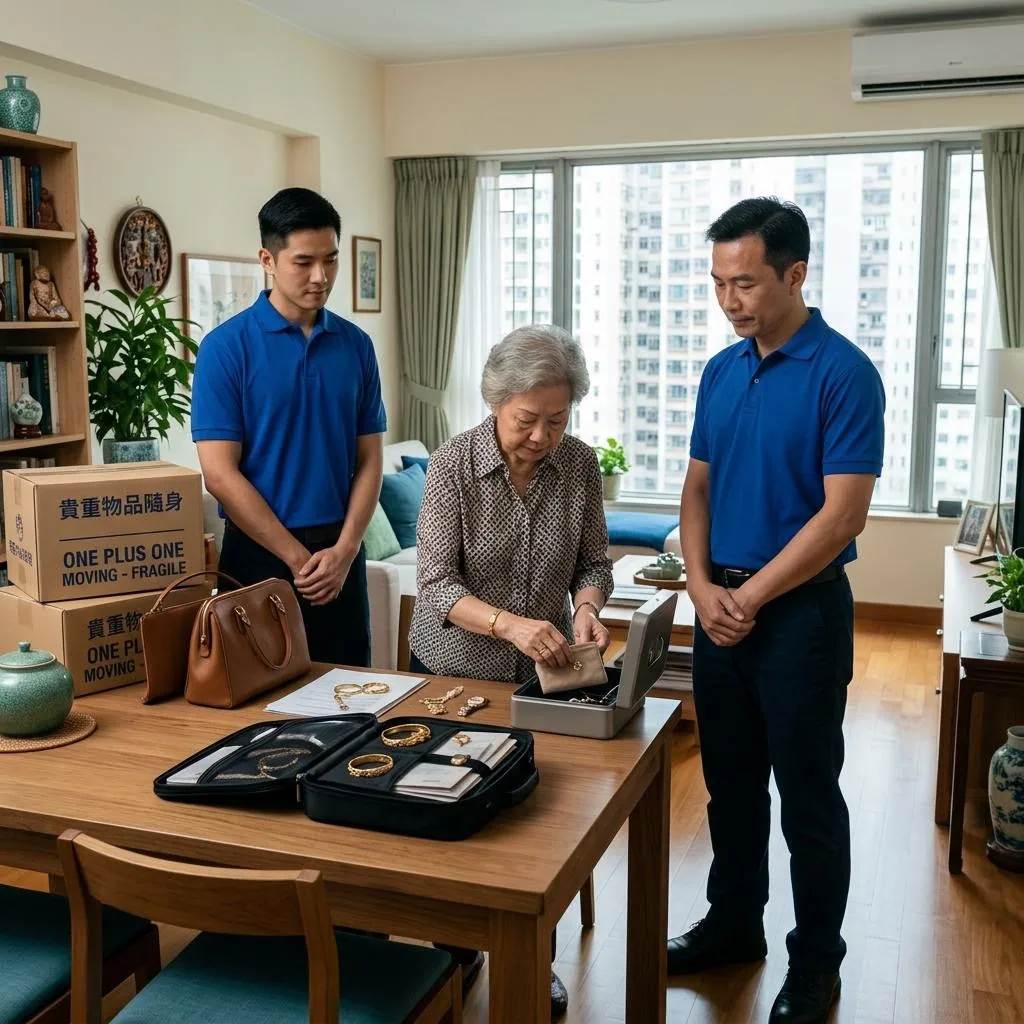
Before moving day, pull out the items that need personal control: ID cards, passports, bank cards, cash, jewelry, important papers, medication, laptops, hard drives, cameras, keys, and agreements. These items may be small, but once they are mixed into ordinary boxes, you may spend a long time searching for them after the move.
Make a clear do-not-pack list early and keep it in one fixed place. Prepare one dedicated bag or small box for these items, and tell family members who will keep which items. That way, nobody assumes someone else has already taken care of them.
Keep documents, IDs, and contracts together
Property deeds, tenancy agreements, insurance papers, bank records, school papers, medical records, and other contracts are best stored together in a document folder or small document box, then kept inside your carry bag. Paper items are easy to lose between books, miscellaneous items, and packing material, and later checking becomes much harder if they are scattered.
Do not pack documents with drinks, cleaning items, or heavy objects, and do not place them at the bottom of boxes that will be stacked. If there are many papers, sort them into simple groups such as housing, banking, school, and medical. One person should keep them together on moving day for quicker handover and checking.
Do not mix jewelry, cash, and small valuables into general boxes
Jewelry, watches, cash, small collectibles, and sentimental keepsakes should stay with you or a family member, not in a regular moving box. Small items are easy to overlook when they are packed with clothes, toys, or miscellaneous household goods, and they may be mistaken for ordinary items during unpacking.
If you need temporary storage, use a zip bag, a small organizer, or a compact carry pouch with compartments. Avoid writing direct labels such as cash or jewelry on the outside of boxes. If you need a reminder, keep a private checklist or use a code only your family understands.
Back up and separate electronic devices first
Laptops, tablets, hard drives, memory cards, and cameras are not only valuable items; the data inside may matter even more. Before moving, back up important files, shut devices down, and pack them separately so they are not placed with heavy objects. This helps reduce pressure, impact, and moisture problems.
If the device is small, carry it yourself. If it must be handed over as part of the move, wrap it with enough cushioning and mark the box with general handling notes such as fragile or keep upright. For data safety, repair work, or file transfer issues, use a qualified professional rather than trying to open or fix the device yourself.
Assign one person to control valuables on moving day
Moving day often involves lifts, building management, handover arrangements, and travel between old and new homes, so people get distracted easily. It is best to assign one person as the main keeper of passports, keys, documents, and carry bags, instead of letting everyone place them down separately.
If someone has to leave the site briefly, make sure the carry bag remains with a trusted person at all times. Keep old-home keys, new-home keys, mailbox keys, access cards, parking cards, and management papers in separate places and label them clearly to avoid delays during handover.
How to work smoothly with a moving team
If your move involves large furniture, several appliances, stairs, or handover at multiple addresses, tell the mover in advance which valuables you will keep with you and which items will be moved by the team. Large items can be handled separately, but valuables should not be mixed in with them or the checking process becomes messy later.
You can also ask the mover about arrival order, loading and unloading arrangements, building restrictions, and the time you need to reserve. If you need the exact service scope or handling arrangement confirmed, ask for written confirmation. For general preparation checklists, use the relevant guide.
Frequently Asked Questions
Which items should always stay with me during a move?
Passports, ID cards, cash, bank cards, jewelry, important files, medication, laptops, hard drives, cameras, and keys should usually stay with you or a family member.
What is the best way to organize important documents?
Keep them together in one document folder or file box, then place that inside your carry bag. Do not scatter them across different moving boxes or stack them under heavy items.
Can jewelry and cash go into a labeled box?
It is not recommended. Even with labels, small valuables can be overlooked during transport and unpacking. A small organizer or a personal carry bag is safer.
What should I do with electronic devices before moving?
Back up important data, shut devices down, and pack them separately. Small devices are best carried by you. For repair, opening, or data transfer issues, use a qualified professional.
Why should I avoid writing valuables on the outside of boxes?
Because moving day is busy and direct labels can create unnecessary exposure. Use a private code or keep the items with you instead of marking the box clearly.


